DTC branding is how direct-to-consumer brands build a recognizable identity while selling directly to their customers. Unlike traditional retail, where third parties influence how products are presented, DTC brands can connect packaging, ecommerce websites, and social media into one customer experience. That control makes brand consistency an important part of the business model.
For food, wellness, and supplement companies, effective DTC branding goes beyond attractive visuals. It connects brand positioning, product messaging, and online shopping into an identity customers understand and remember. Below, we explore five real projects from Bemain Studio and the principles behind a consistent, trustworthy direct to consumer brand.
What Is DTC Branding?
DTC branding refers to how a direct to consumer (DTC) business presents itself while selling directly to customers through its own channels. In the DTC model, brands have more control over their customer journey, from the first product impression to checkout and post-purchase communication. They can develop their identity without depending entirely on retail partners.
The difference is not simply direct sales. Branding gives shoppers a reason to recognize, choose, and remember a product. A distinctive visual identity, clear brand values, and consistent messaging help build direct customer relationships beyond a single order. Successful DTC brands can also maintain retail partnerships while keeping their own identity recognizable.
5 DTC Branding Examples From Bemain Studio
Effective DTC branding connects brand identity, packaging, and ecommerce design across the places customers discover and buy products. These five Bemain Studio projects show how consumer brands use clear messaging and distinctive visual systems to communicate their value, stand out in competitive categories, and connect with their target audience.
1. Tuned: Building Trust Through Premium DTC Branding
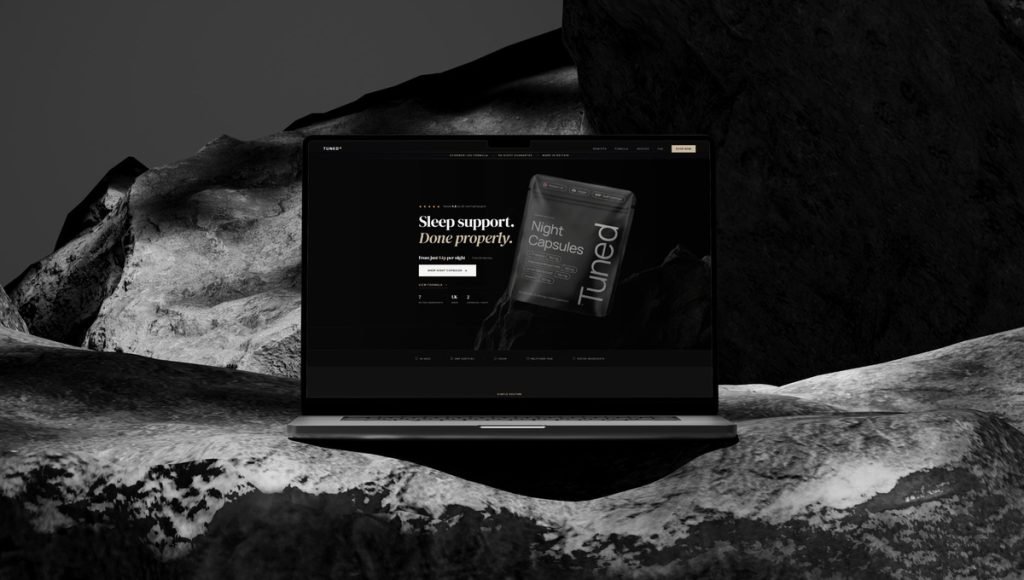
Tuned is a sleep supplement brand competing in a crowded wellness category. Its DTC branding needed to communicate credibility and product benefits without feeling overly clinical. The aim was a calm, premium identity that customers could recognize across both direct-to-consumer and marketplace channels.
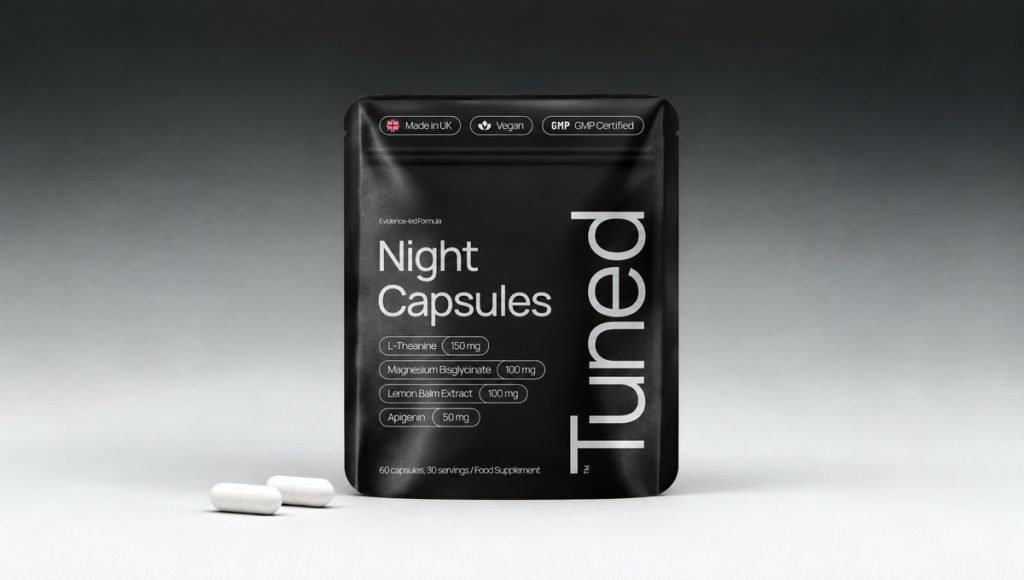
Bemain Studio developed Tuned’s brand identity, packaging, and website as one connected system. Dark packaging, restrained typography, and a clear information hierarchy make the sleep-focused proposition easy to understand. The website carries the same visual direction into product presentation and the online buying experience.
Tuned shows how DTC branding can build trust through consistency. The packaging, ecommerce website, and Amazon-ready presentation share the same identity, so customers encounter a familiar brand even when the sales channel changes.
2. Primal Sweets: Connecting Packaging and Ecommerce Branding
Primal Sweets brings protein benefits to a familiar treat: marshmallows. Its branding had to communicate nutritional value without losing the fun and appetite appeal of candy. A supplement-like appearance could have made the product feel less approachable to snack shoppers.
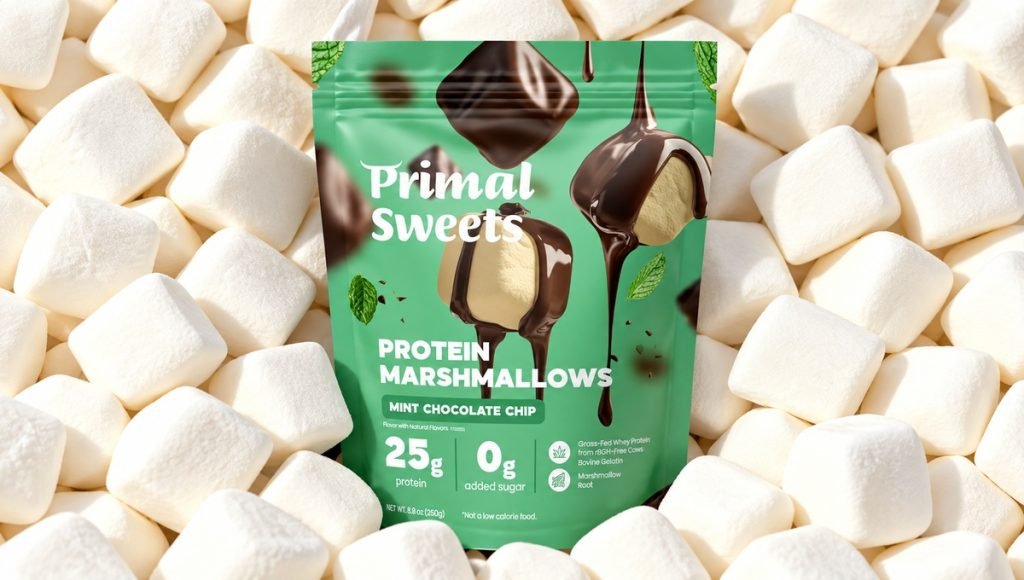
Bemain Studio created bold packaging and an ecommerce experience built around the same playful personality. Vibrant colors, expressive typography, and flavor-led imagery give the products a recognizable look. Clear messaging keeps the protein proposition visible without overwhelming the design.
Primal Sweets demonstrates how DTC branding brings physical and digital experiences together. Customers see a coherent identity across packaging, product pages, social media, and marketing campaigns, helping the brand remain familiar from first discovery to purchase.
3. Bricks Protein: Creating a Consistent Brand Across Digital Channels
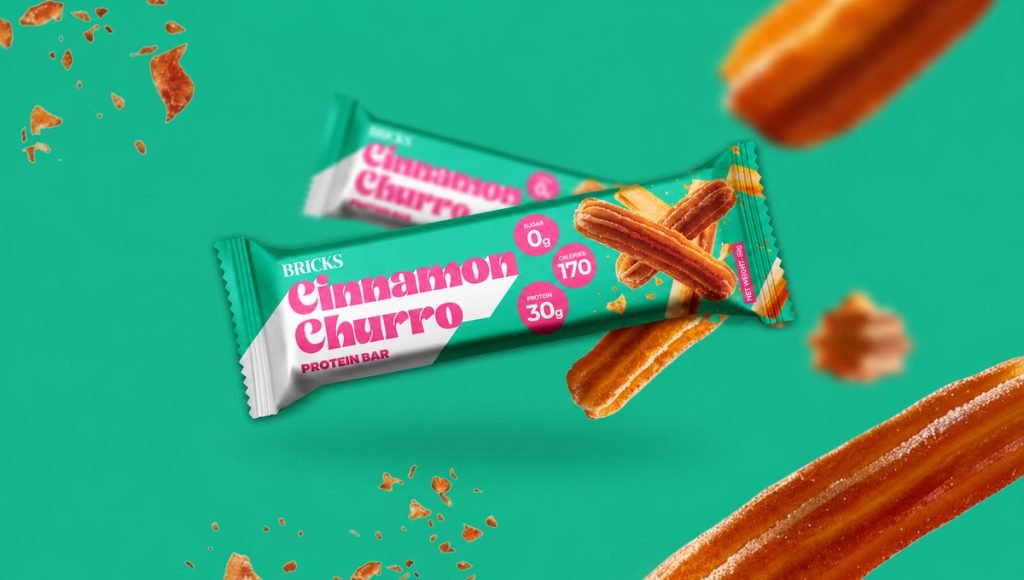
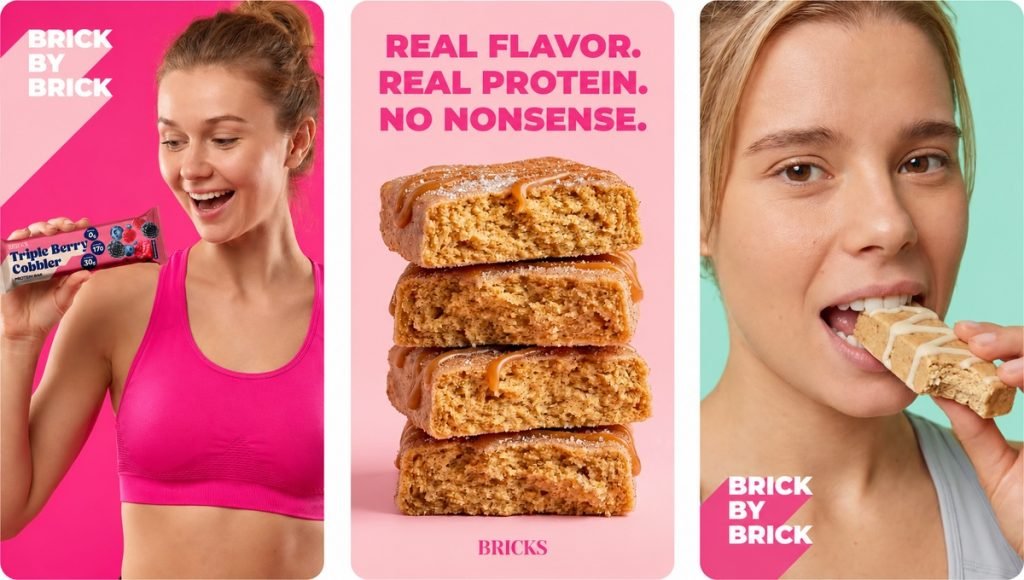
Bricks Protein puts flavor and personality at the center of a protein snack brand. In a category full of similar nutritional claims, the branding uses dessert-inspired imagery, bold colors, and oversized typography to make individual bars immediately recognizable.
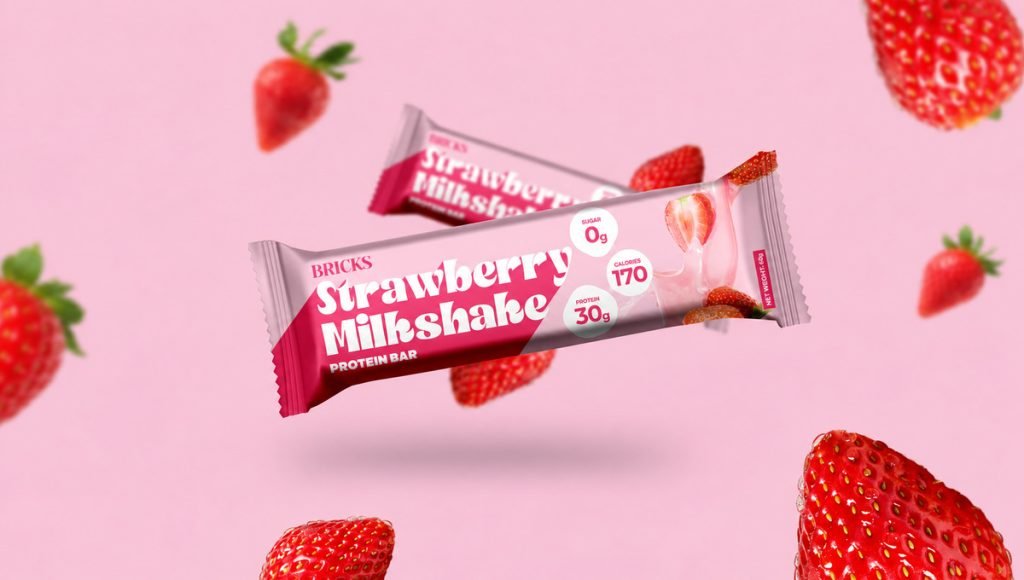
Bemain Studio carried that distinctive identity through packaging and ecommerce website design. Flavor-specific colors and engaging product photography make each variety easy to identify, while a shared visual system keeps the product range connected. The same elements support social media content and digital marketing materials.
Bricks shows why a consistent brand experience matters in DTC branding. Whether new customers discover a bar in a social media post or on a product page, they encounter the same flavor-led personality and clear product positioning.
4. LIST/OF: Simplifying the DTC Customer Experience
LIST/OF is a gut health supplement brand founded by gastroenterologists. Its Daily Gut Reset is positioned as a simple daily routine, but explaining a specialized formula online requires care. The DTC branding needed to make the product approachable without losing credibility.
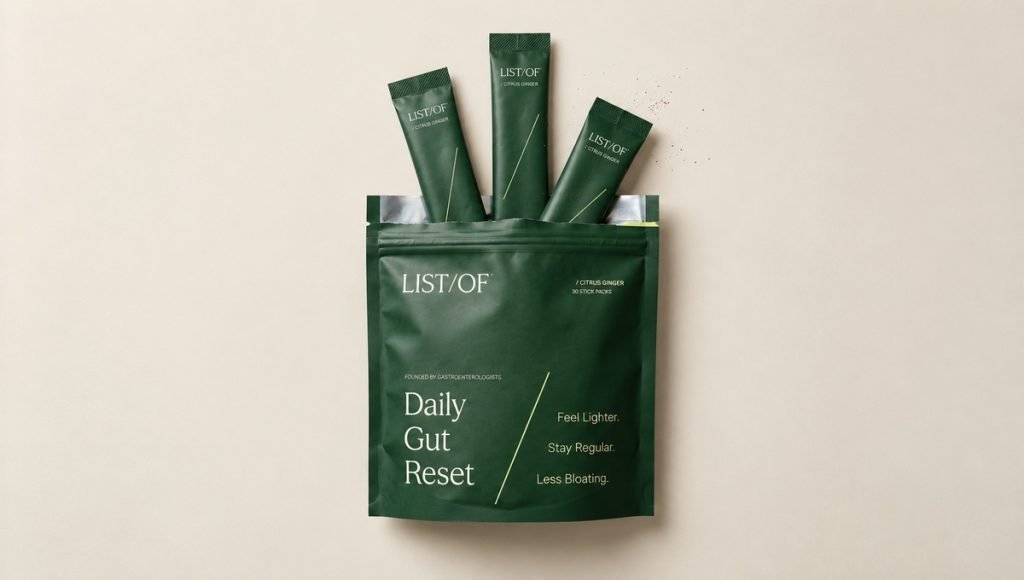
Bemain Studio developed the brand identity, packaging, and ecommerce website around clarity. Restrained colors, organized typography, and straightforward product messaging help shoppers understand what the product is and how it fits into their routine. Ingredient information and clear purchase options support the same approach online.
LIST/OF demonstrates how a thoughtful customer experience begins with communication. When packaging and product pages anticipate common customer inquiries and explain a complex offer consistently, shoppers can evaluate it with greater confidence before purchasing.
5. Thrive: Building a Playful DTC Candy Brand
Thrive is a functional candy brand that combines protein benefits with the playful appeal of traditional sweets. Its DTC branding focuses on making the product feel enjoyable rather than presenting it like a conventional supplement. Bright colors, expressive typography, and flavor-focused packaging create a distinctive identity that captures attention.
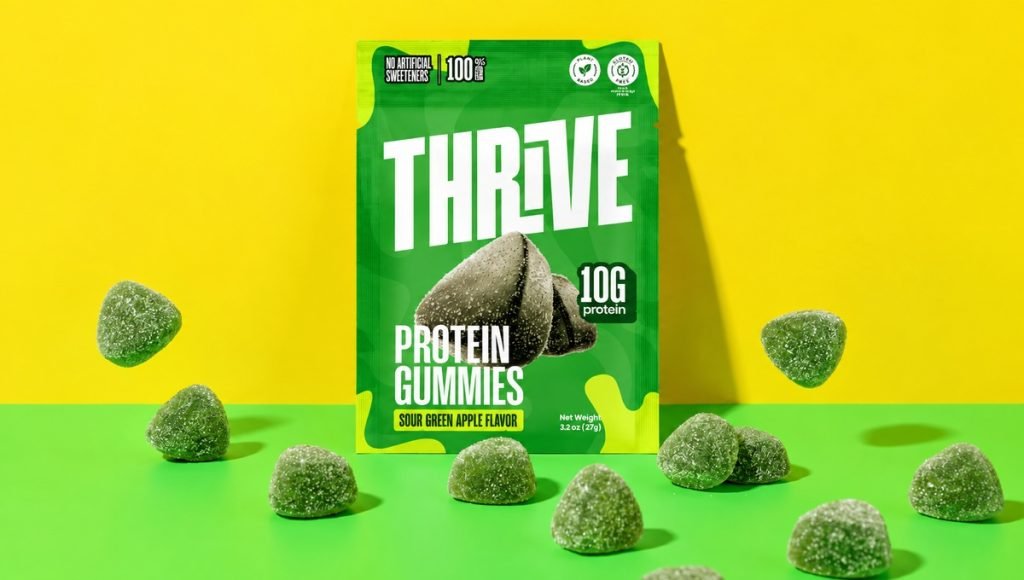
Bemain Studio developed a bold visual direction that connects product packaging with lifestyle imagery and marketing campaigns. Vibrant green packaging, oversized lettering, and playful product photography give Thrive a recognizable personality. The same visual language extends into promotional materials, helping the brand maintain consistency across physical and digital touchpoints.
Thrive demonstrates how DTC branding can make functional products more approachable through distinctive design. By combining clear protein messaging with candy-inspired visuals, the brand communicates both nutritional value and enjoyment. Its recognizable identity supports brand visibility across packaging, social media, and promotional campaigns without relying entirely on functional product claims.
Why Brand Positioning Matters in DTC Branding
In DTC branding, positioning helps customers understand what makes a product worth choosing before they buy it. Unlike traditional retail, where shoppers compare products on a shelf, brands selling directly must communicate that difference through packaging, product pages, and social media. Strong brand identity design turns that positioning into recognizable visuals and messaging.
Effective positioning starts with the target audience and a clear product promise. Bricks Protein leads with flavor and enjoyment, while LIST/OF emphasizes simplicity and credibility. These choices shape the marketing strategy, reflect brand values, and give brand building a consistent direction. Successful positioning also keeps digital marketing efforts aligned as products and audiences grow.
How Packaging and Ecommerce Design Build a Consistent DTC Brand
For DTC brands, packaging and the ecommerce website are two parts of the same customer experience. Shoppers often see a product online before holding it, so thoughtful product packaging design needs to translate into product photography, website layouts, and social media visuals. The physical product should match the promise made online.

A strong visual system keeps colors, typography, imagery, and brand messaging connected throughout the customer journey. Primal Sweets uses a playful approach across packaging and web, while Tuned communicates a more restrained premium identity. Neither brand needs a separate personality for every digital marketing campaign.
This consistency also helps as product ranges grow. A recognizable system makes it easier to introduce new flavors or formats while maintaining a familiar online shopping experience. In DTC branding, that continuity supports brand building as companies expand into retail stores without losing the look customers already know.
How DTC Branding Builds Customer Trust and Loyalty
DTC branding continues after checkout. For brands selling directly, customer support, clear product information, and post-purchase communication shape the customer experience. A cohesive CPG branding strategy keeps packaging, ecommerce, and customer interactions aligned, supporting customer loyalty and stronger customer relationships. Every touchpoint should reinforce the promise customers saw before purchasing.
Direct customer relationships give DTC companies an opportunity to learn from customer feedback and first party data. Used responsibly, customer data can reveal unclear product messages, recurring questions, and ways to improve customer satisfaction. These customer insights guide brand building and strengthen product communication without changing the identity for every campaign.
Social media, email marketing, and user generated content can reinforce trust after purchase. Reviews and customer stories support direct customer engagement and may turn loyal customers into brand advocates. DTC marketing strategies can attract new customers, but consistency encourages repeat purchases. Customer acquisition cost and lifetime value can help assess whether marketing efforts support retention.
Ready to Build a Stronger DTC Brand?
Effective DTC branding connects product positioning, packaging, and ecommerce into one recognizable identity. Whether you’re launching a new consumer brand or refining an existing one, the goal is to make every customer touchpoint feel consistent, credible, and easy to understand.
At Bemain Studio, we develop brand identities, packaging systems, and websites for food, wellness, and supplement brands. Our work helps direct to consumer businesses present their products clearly across the channels where people discover, evaluate, and buy them.
Frequently Asked Questions About DTC Branding
What Does DTC Stand For in Branding?
DTC stands for direct to consumer. It describes a business model in which a company sells directly to customers through its own channels. DTC branding is the identity, messaging, and customer experience that make the company recognizable throughout that process.
How Is DTC Branding Different From DTC Marketing?
DTC branding defines how a brand is positioned, presented, and remembered. DTC marketing focuses on reaching potential customers and driving sales through channels such as social media, email marketing, and advertising. Marketing can bring people to a product, while branding helps make their experience recognizable and consistent.
What Is the Difference Between DTC and B2C?
B2C describes any business selling to individual consumers, including through third-party retailers. DTC is a more specific model where the brand sells directly through its own channels. Both serve consumers, but the DTC model gives a business more direct control over customer relationships and the buying experience.
Can DTC Brands Also Sell Through Traditional Retail?
Yes. DTC brands can sell through their websites and physical retail stores at the same time. The key is to maintain a recognizable identity across direct sales, retail shelves, and marketing materials, so customers understand they are buying from the same brand wherever they shop.