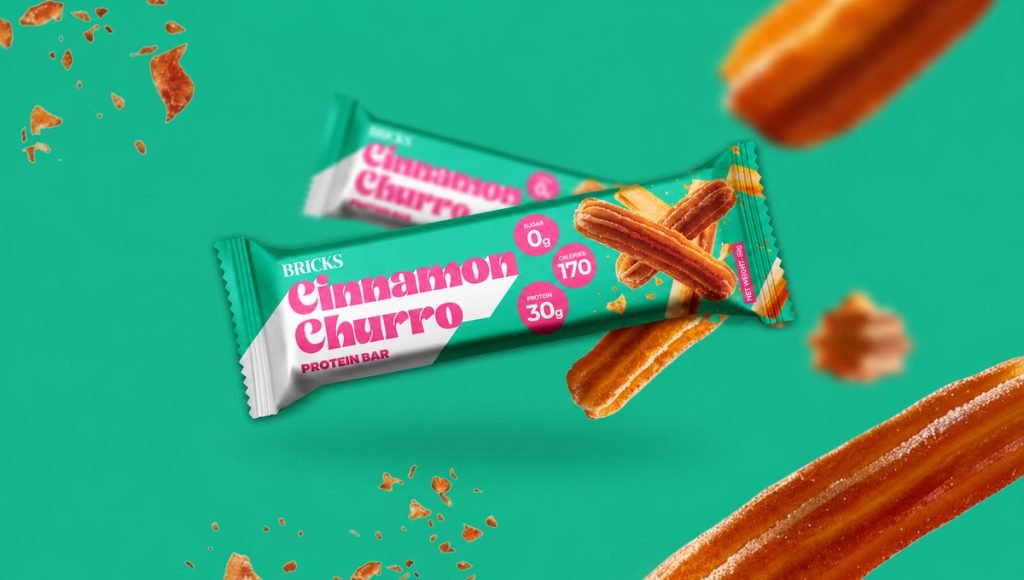
Ecommerce website design is about creating an online store that makes products easy to discover, explore, and purchase. A great ecommerce website combines intuitive navigation, clear visual hierarchy, and responsive design to deliver a seamless shopping experience. For consumer brands, thoughtful website design helps communicate product value, build confidence, and guide potential customers toward a purchase decision.
At bemain studio, we approach ecommerce website design as an extension of a brand’s identity, connecting product packaging, visual storytelling, and digital shopping experiences. In this article, we’ll explore three real ecommerce website design examples from our work with wellness and supplement brands, followed by practical design tips for creating an engaging and consistent online shopping experience.
What Is Ecommerce Website Design?
Ecommerce website design is the process of creating an online shopping experience that combines visual appeal with practical functionality. It involves organizing product categories, designing product pages, establishing clear navigation, and creating a checkout process that makes purchasing straightforward. Every design element should help customers understand products and move through the website naturally.
Unlike a traditional business website, an ecommerce site must support the entire shopping journey, from discovering products to completing an order. A well-designed ecommerce website connects branding with usability, using consistent layouts, high quality images, and clear calls to action. The best ecommerce websites balance these elements to create an engaging experience that helps customers shop with confidence.
3 Ecommerce Website Design Examples From bemain studio
The best ecommerce websites balance a distinctive visual identity with an easy, enjoyable shopping experience. For wellness and supplement brands, an online store must communicate product benefits, organize essential information, and help customers understand what they are purchasing.
These three ecommerce website design examples from bemain studio demonstrate how thoughtful layouts, product presentation, and consistent branding can create engaging digital shopping experiences. Each project offers practical visual inspiration for consumer brands looking to improve their online presence.
1. LIST/OF: Making Supplement Shopping Clear and Intuitive
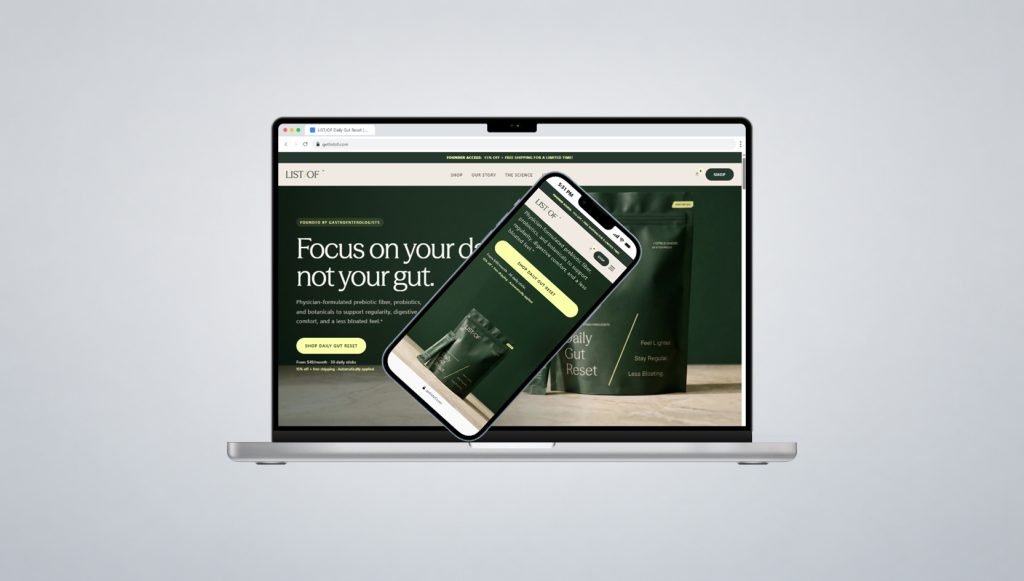
LIST/OF is a doctor-founded gut health supplement brand built around a straightforward daily routine. Its Daily Gut Reset combines prebiotic fiber, probiotics, and other ingredients in one stick pack. The ecommerce website needed to communicate this detailed formula while making the product, its benefits, and purchasing information easy to understand.
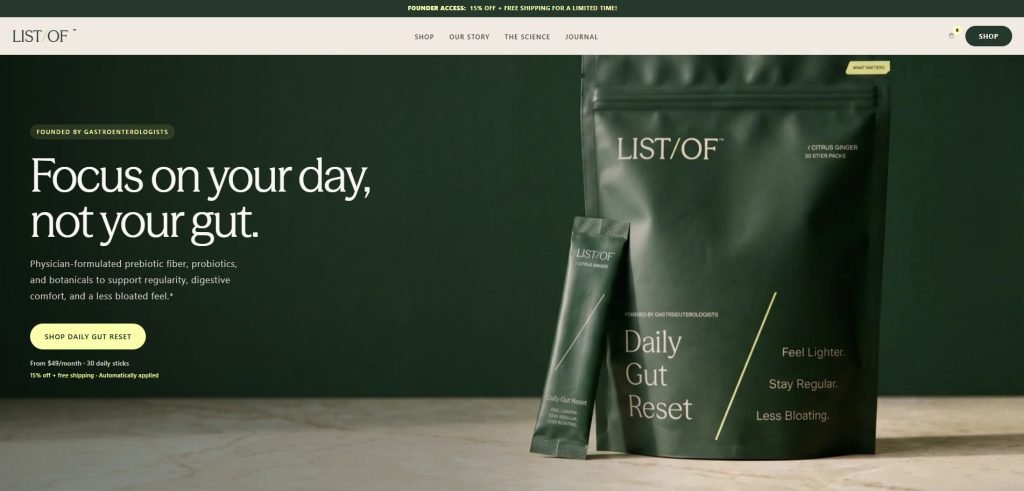
bemain studio developed the website design using a structured visual approach with dark green tones, bold typography, and organized content sections. Focused headlines introduce the product, while clear layouts present ingredient information, product benefits, and the expertise behind the brand. This information hierarchy helps visitors explore the supplement without feeling overwhelmed by technical details.
This ecommerce website design example demonstrates how thoughtful product presentation can simplify online shopping for supplement brands. By connecting educational content with clear product information and calls to action, LIST/OF creates a cohesive experience that helps potential customers understand the product before making a purchase decision.
2. Brown Body Reset: Organizing Products Around Daily Routines
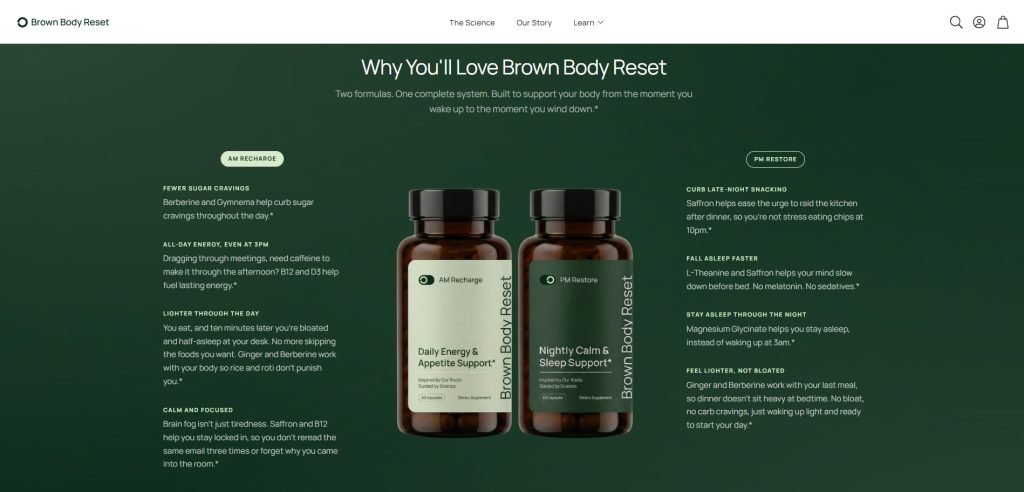
Brown Body Reset is a wellness supplement brand developed for Brown women, with a focus on health needs relevant to South Asian populations. Its AM Recharge and PM Restore products support different parts of a daily routine. The ecommerce website needed to clearly communicate these differences while presenting both products as part of one connected system.
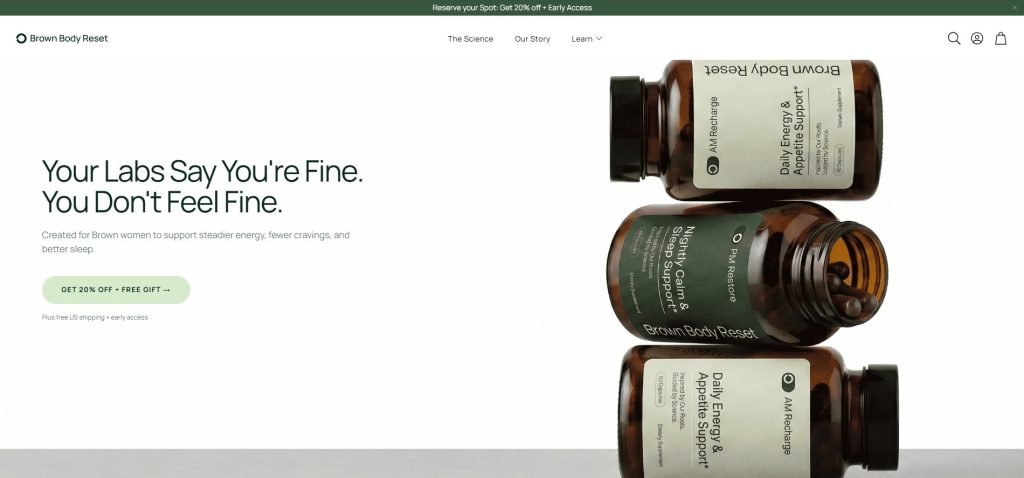
bemain studio developed the website around clear product presentation, organized content, and audience-focused messaging. Coordinated product visuals and a structured AM and PM layout help visitors understand the differences between the two supplements. Research-led information and consistent design elements support the brand’s positioning while keeping the products central to the shopping experience.
This project demonstrates how ecommerce website design can organize related products around a specific customer need. By connecting product education with recognizable branding and a clear visual hierarchy, Brown Body Reset creates a focused digital experience that helps potential customers explore the product range and understand its intended daily routine.
3. Tuned: Building a Premium Ecommerce Experience for Sleep Support
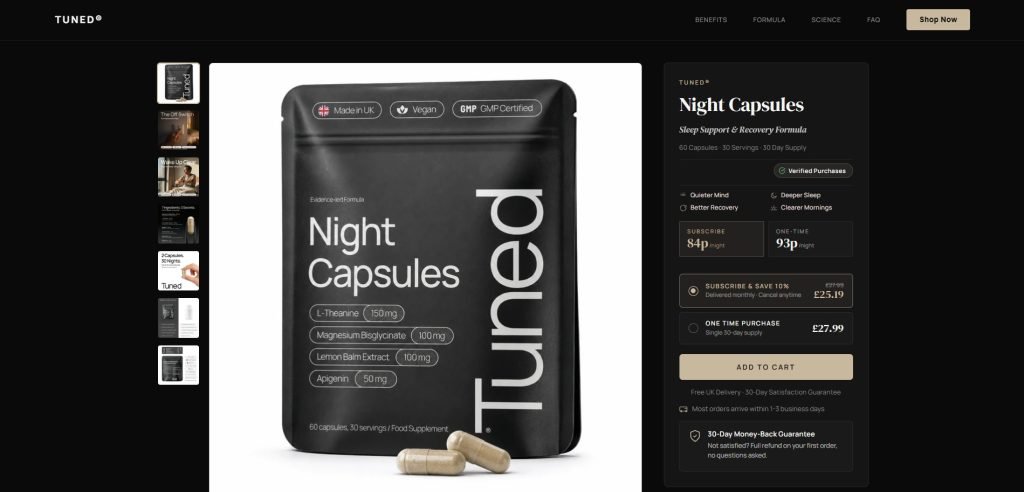
Tuned is a sleep supplement brand offering Night Capsules designed around a simple two-capsule nightly routine. Its melatonin-free formula and ingredient-focused messaging require clear product explanations. The ecommerce website needed to communicate these details while maintaining a calm, premium shopping experience.
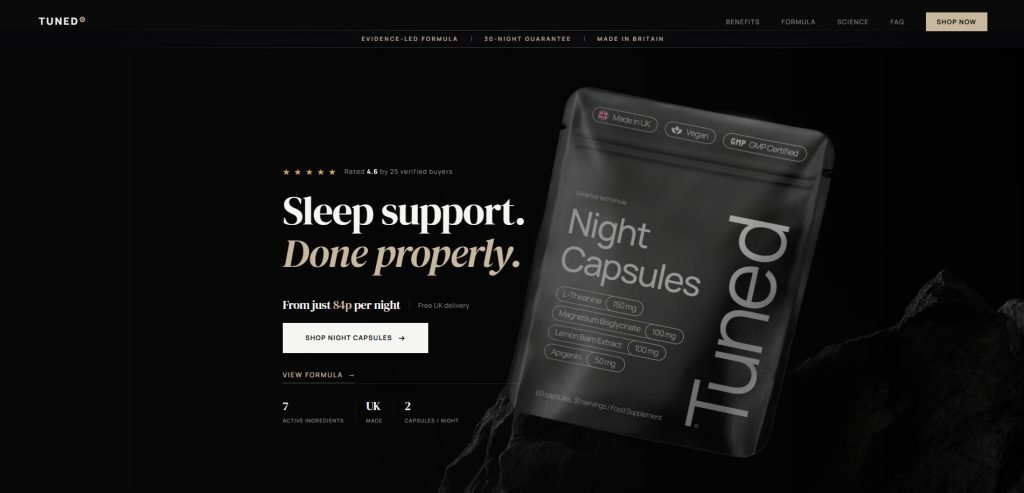
bemain studio developed Tuned’s website design around a minimalist visual system with dark tones, refined typography, and focused product imagery. Clear headlines introduce the supplement before more detailed ingredient information, allowing visitors to explore the formula at their own pace. Consistent layouts and visible calls to action connect product education with shopping opportunities.
This ecommerce website design example shows how a sleek design can balance visual appeal with practical functionality. By combining ingredient transparency, consistent branding, and accessible product information, Tuned creates a cohesive online shopping experience that helps potential customers understand the supplement and make informed purchase decisions.
How Intuitive Navigation Improves the Ecommerce Shopping Experience
Intuitive navigation helps online shoppers move through an ecommerce website without unnecessary confusion. A clear menu, organized product categories, and a visible search bar make products easier to discover. Smart filters can simplify browsing larger collections, while effective product page design helps customers evaluate their options once they find something interesting.
A great ecommerce website also makes the purchasing process straightforward. Clear calls to action, transparent pricing, and accessible payment options help customers move from browsing to checkout. Guest checkout options and clear progress indicators can reduce friction, creating a smoother transactional flow. Customer testimonials, reviews, and other forms of social proof can also help build confidence before a purchase.
For CPG brands, navigation should reflect how customers actually shop. Whether someone is exploring different supplement formulas, comparing product benefits, or browsing curated collections, thoughtful design elements help create a seamless shopping experience. Clear website structure also supports search engine optimization by making important pages easier for search engines to discover and understand.
Why Mobile First Design Matters for Ecommerce Websites
Mobile first design prioritizes the shopping experience on smartphones, where many customers discover, compare, and purchase products. A mobile-friendly ecommerce website needs readable content, accessible navigation, and clear calls to action. This is especially important in wellness website design, where shoppers may need to compare ingredients, product benefits, and purchasing options on smaller screens.
Responsive design ensures that layouts, images, and interactive design elements adapt naturally across different mobile devices. Product pages should feature easy-to-read descriptions, accessible buttons, and high quality images without overwhelming the screen. Fast loading times and a straightforward checkout process also help reduce friction during the purchasing journey, particularly for customers shopping on mobile devices.
For CPG brands, effective mobile first design means making products easy to explore without sacrificing visual identity. A clean layout, consistent typography, and thoughtful visual hierarchy support user engagement while helping customers navigate from product discovery to checkout. These design practices create a more convenient shopping experience and can support stronger conversion rates as mobile sales become an increasingly important part of ecommerce.
How High Quality Images and Branding Support Ecommerce Design
High quality images and consistent branding are key elements that help an ecommerce website communicate product value from the first glance. Strong brand identity design connects typography, colors, packaging, and digital visuals into a recognizable experience. These design elements make an online store feel cohesive while helping potential customers understand what makes its products different.
For CPG brands, product photography is especially important because customers cannot physically examine products before purchasing. Showing packaging from multiple angles, highlighting ingredients, and using detailed descriptions helps communicate product quality. Projects like LIST/OF and Tuned demonstrate how product-focused visuals can maintain a distinctive brand identity across packaging and ecommerce websites.
Effective website design also relies on visual hierarchy and a clean layout to keep product information accessible. Detailed product pages should present clear pricing, available variations, and relevant product information without overwhelming shoppers. Consistent imagery, thoughtful presentation, and authentic social proof can build confidence, strengthen brand recognition, and support informed purchase decisions.
Ready to Build a Better Ecommerce Website?
A successful ecommerce website does more than display products. It brings together strong branding, clear navigation, and thoughtful product presentation to create a shopping experience that feels consistent from discovery to checkout. For CPG brands, every design decision should reflect the product, target audience, and overall brand strategy.
At bemain studio, we create ecommerce websites that connect branding, packaging, and digital experiences. Whether you’re launching a new online store or improving an existing website, our team can help build a distinctive digital presence that showcases your products and supports your business goals.
Frequently Asked Questions About Ecommerce Website Design
How Much Does Ecommerce Website Design Cost?
The cost of ecommerce website design depends on the size of the online store, required functionality, and level of customization. A custom ecommerce website with unique branding, detailed product pages, and advanced features generally requires a larger investment than a basic template-based store.
Which Ecommerce Platform Is Best for a CPG Brand?
The best ecommerce platform depends on a brand’s product range, business goals, and technical requirements. Shopify is a popular option for consumer brands because it supports product management, flexible website design, and integrated payment options. The right ecommerce platform should support the brand’s current needs and future growth.
How Is Ecommerce Website Design Different From Product Page Design?
Ecommerce website design covers the entire online shopping experience, including homepage layouts, navigation, product categories, and checkout. Product page design focuses specifically on presenting individual products through images, descriptions, pricing, and purchasing options. Both are essential parts of a consistent ecommerce experience.
What Should You Prioritize When Redesigning an Ecommerce Website?
Start by evaluating navigation, mobile usability, product presentation, and checkout functionality. A successful redesign should improve visual hierarchy, maintain consistent branding, and build customer trust through secure payment options and clear policies. Website performance and customer behavior can also reveal opportunities to improve the shopping experience.