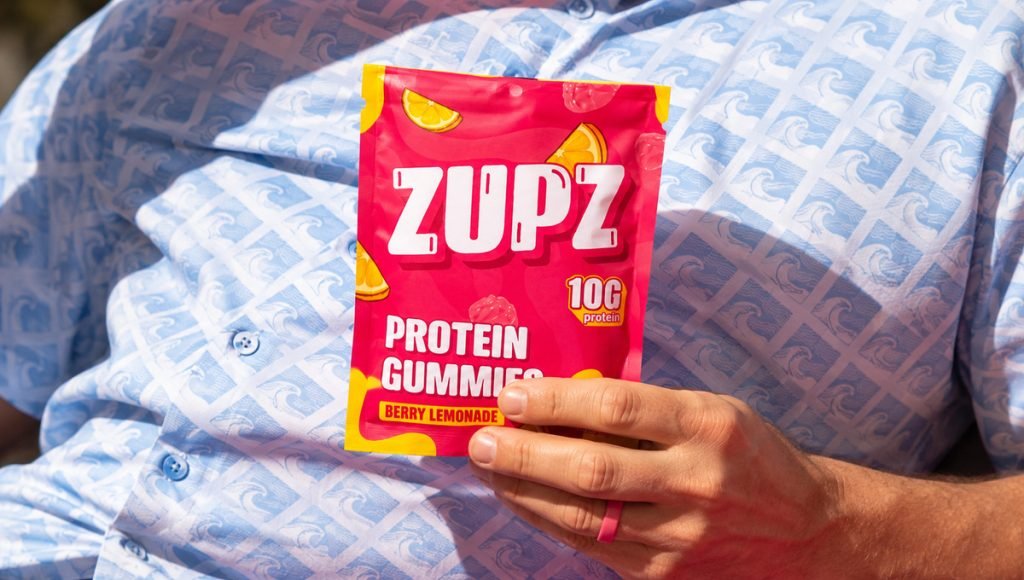
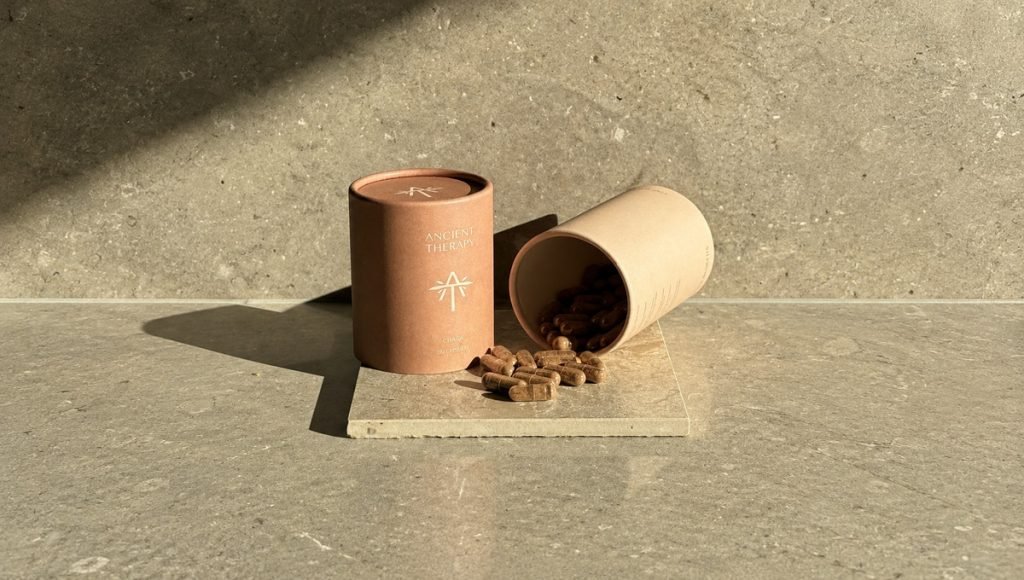
Packaging design shapes how a product is protected, presented, understood, and recognized across retail and digital channels. Packaging design combines functional design, visual communication, branding, and marketing. Strong product packaging should communicate value clearly, support the wider brand identity, and make the product easier to recognize and choose. The goal is to create packaging that works as both a practical product system and a consistent expression of the brand.
Effective packaging should balance function, information, brand identity, visual appeal, and usability. This guide explores the packaging design process, key packaging design elements, retail and e commerce considerations, scalable product systems, and the packaging design trends influencing consumer brands in 2026.
Key Elements of Effective Packaging Design
Effective packaging design brings together visual, structural, and practical elements that help a product communicate clearly and perform well. Effective packaging design combines aesthetics, functionality, and consumer appeal. These various elements should work as one system, with each packaging design decision supporting the target audience, product needs, and wider brand strategy across physical and digital channels.
Visual Identity and Typography
Visual identity helps packaging express the brand personality through recognizable colors, typography, imagery, and other design elements. Typography affects readability and brand identity in packaging design. Whether the packaging design uses bold typography, bright colors, clean lines, or intricate illustrations, the visual direction should reinforce the brand’s positioning rather than compete with it. A consistent visual system also makes the brand personality easier to recognize across product lines.
Information Hierarchy and Product Communication
Clear information hierarchy helps consumers understand a product quickly without searching through unnecessary details. Packaging communicates what the product is, how to use it, and relevant information. Product names, benefits, claims, ingredients, and supporting details should be organized so the most important information receives attention first while keeping product packaging clear and visually appealing.
Packaging Materials and Structural Design
Packaging materials and structural design influence how a package protects the product, performs in use, and presents the brand. Structural packaging design should consider the product format, packaging structure, material choices, shelf life, usability, and product protection when selecting the right packaging types. Material selection impacts both aesthetics and functionality of packaging, so packaging designers need to balance visual goals with performance and production requirements.
For food packaging, the right packaging materials can also help protect product freshness and support the required shelf life. Other categories, such as cosmetic packaging, may place greater emphasis on dispensing, portability, durability, or the way the packaging structure supports the overall customer experience.
Compliance and Required Product Information
Packaging also needs enough space and hierarchy for required product information without weakening the overall packaging design. Requirements can vary between food packaging, cosmetic packaging, supplements, and products in pharmaceutical industries, so the final design should account for the rules that apply to the specific category and market. In food packaging, packaging materials may also need to support specific storage, protection, and labeling requirements. Good design packaging balances these requirements with clear communication and a consistent brand identity.
The Packaging Design Process
A clear packaging design process helps turn strategy and packaging design ideas into a practical system that can move toward production. The packaging design process includes research, ideation, and prototyping. Each stage gives packaging designers a chance to evaluate how the packaging design supports the product, target audience, brand strategy, and technical requirements before the final design is approved.
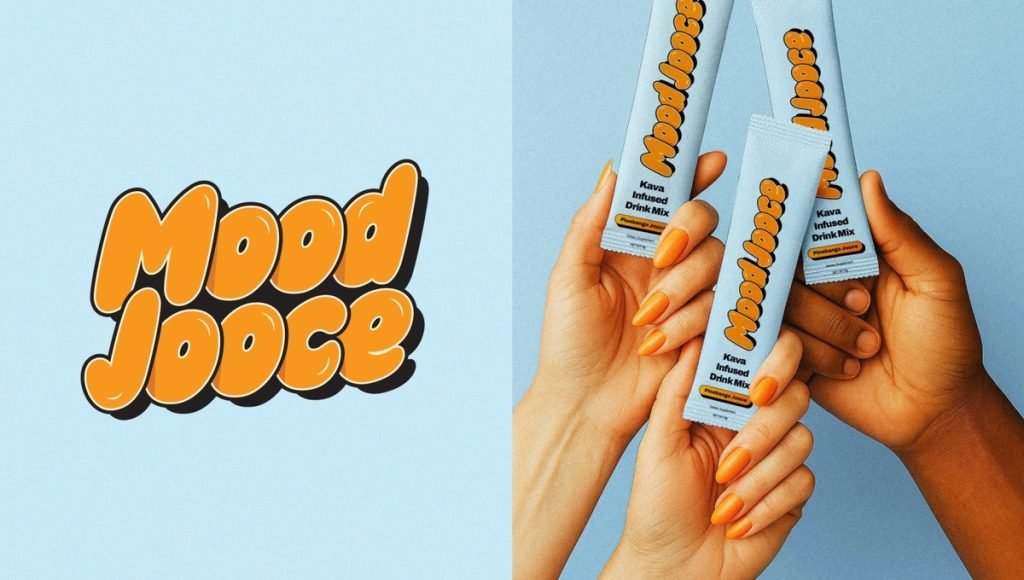
Packaging design translates brand identity into a recognizable product experience through consistent typography, color and visual direction.A structured process also helps identify potential issues early, reducing unnecessary revisions later in production. It keeps creative decisions aligned with packaging materials, product requirements, and the wider brand system. This is especially important in supplement packaging design, where design needs to stay visually consistent while also working with practical production and labeling requirements.
Research and Strategy
Researching the product and audience is crucial in packaging design. The first stage should clarify who the target audience is, how competing products are presented, where the product will be sold, and what the packaging needs to communicate. Competitor reviews, customer feedback, and focus groups can help teams understand expectations before they create packaging. This research gives the creative process a stronger foundation and helps teams create packaging around real product and customer needs rather than visual preferences alone.
Concept Development and Design
Once the direction is clear, packaging designers can draw inspiration from the brand strategy, product category, consumer expectations, and the environments where the product will appear. They can then explore creative ideas through rough sketches, layouts, typography, graphics, and different packaging structures. Graphic designers may test multiple directions to understand how each packaging design concept supports the brand identity and product positioning.
Prototyping helps bring design concepts to life before production. Physical prototypes make it easier to evaluate scale, structure, readability, and how the packaging feels as a tangible product before committing to production. Testing unique packaging concepts at this stage can also reveal practical issues that may not be obvious on screen.
Testing and Final Artwork
Testing and feedback are essential for refining packaging designs. Teams can review physical prototypes internally or use focus groups to identify issues with usability, communication, or visual hierarchy before approving the final design. Additional feedback can show whether the packaging design communicates the intended message clearly before production. Before production, the artwork should be checked for:
- correct dielines and dimensions
- accurate Pantone color codes where required
- image quality and print specifications
- required product information
- consistency across multiple products or variants
Final designs must be print-ready with correct dielines and color codes. This final stage connects the design process with production and helps reduce avoidable errors once custom packaging moves into manufacturing.
Designing Packaging for Retail and E-Commerce
Packaging needs to perform in very different environments, from crowded store shelves to small product thumbnails in e commerce. Packaging acts as a marketing communication tool when consumers encounter the product. Strong retail packaging and product packaging for digital channels should communicate the product clearly, reinforce the brand identity, and help it compete for attention without unnecessary visual complexity. This consistency also supports a broader CPG brand strategy across physical and digital touchpoints.
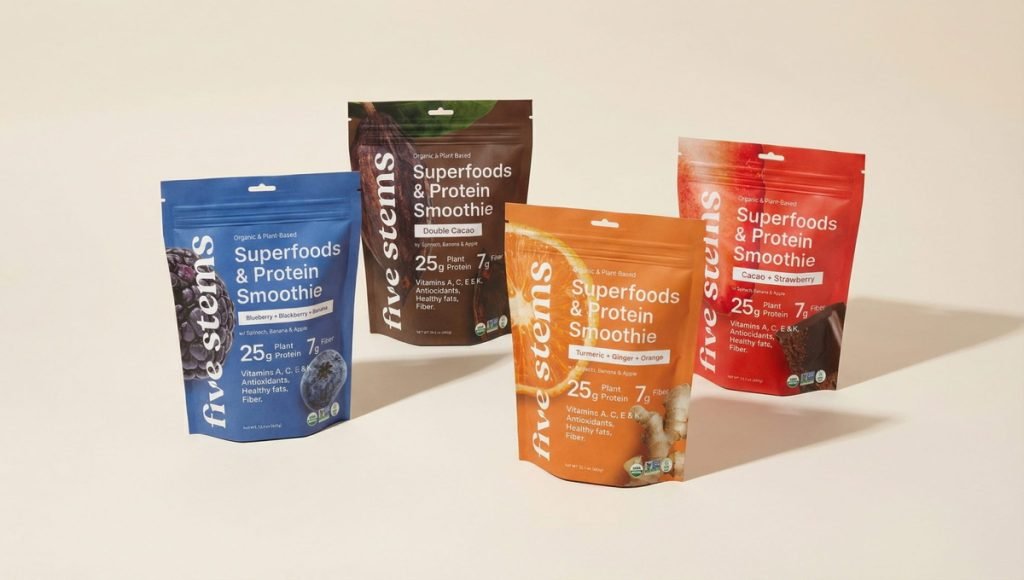
A consistent packaging design system helps different product variants remain recognizable across retail and e-commerce channels.The same packaging system may need to emphasize different details depending on where the product appears. In retail, hierarchy and shelf visibility are critical, while digital environments often require clearer product names, benefits, and recognizable visual cues at smaller sizes. Designing with both contexts in mind helps create a more consistent experience from discovery to purchase
Creating Shelf Impact
On physical shelves, consumers often compare several products within seconds. Packaging should make products recognizable, easy to choose and use, and memorable after purchase. Clear hierarchy, distinctive colors, typography, and recognizable brand assets can help the product stand out while communicating its most important benefits quickly. Strong packaging design can make a product stand apart without relying on visual clutter.
Effective product packaging can also influence perceived value and shape the customer experience before the product is even opened. When the packaging design remains recognizable over time, it can support brand loyalty and encourage repeat purchases.
Building Recognition Across Products and SKUs
A growing brand needs packaging that works across multiple products without making every SKU look identical. Packaging systems should use signature colors, consistent typography, and distinctive shapes to ensure recognition. Core visual elements can remain consistent while colors, product names, illustrations, or other cues distinguish different flavors, sizes, and product lines.
This approach helps maintain brand consistency while making product navigation easier for consumers. Custom packaging systems should also leave enough flexibility for future launches, limited edition products, and new categories without requiring the entire packaging design system to be redesigned.
Designing for Digital Product Images
Packaging that works well on a shelf may not automatically perform well online. In e commerce, product images are often viewed at a much smaller scale, so the brand name, product type, key benefits, and primary visual cues need to remain clear and recognizable. Product packaging should still communicate the most important information when viewed as a small thumbnail.
Strong packaging design should translate consistently across product pages, advertising, social media, and other digital marketing materials. Keeping the most distinctive brand elements visible helps connect the physical product with its digital presentation and creates a more consistent experience across channels.
Packaging Design Trends for 2026
Packaging design trends in 2026 reflect a broader shift toward flexible brand systems, smarter material choices, and packaging that performs across both physical and digital environments. Trends can offer useful packaging design ideas, but brands should adopt them only when they support the product, target audience, and long-term brand strategy. These shifts are especially relevant in wellness categories, where modern wellness packaging needs to balance visual clarity, material choices, and consumer trust.
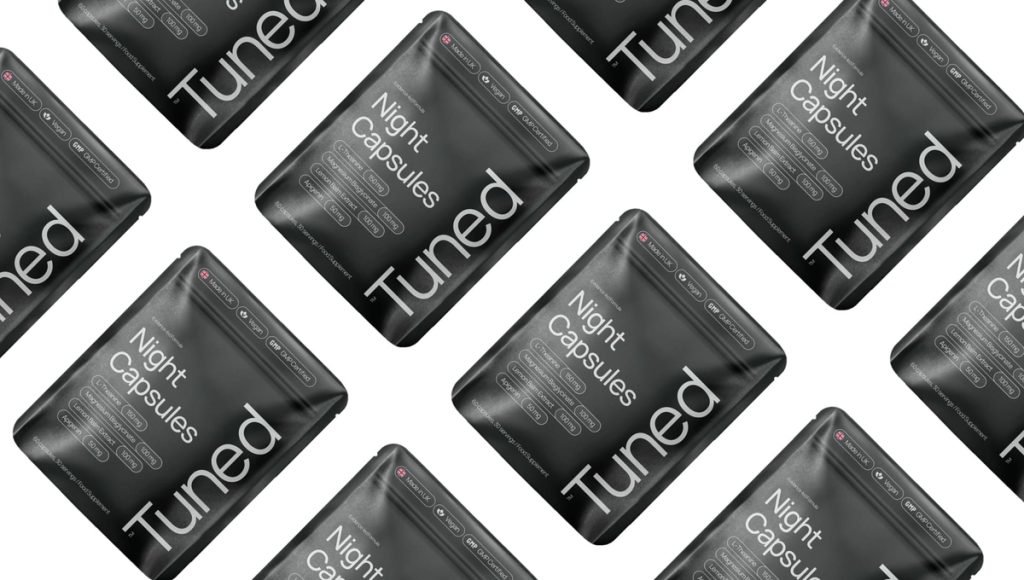
Modern packaging design can use consistent typography, clean lines and repeated visual cues to keep multiple products recognizable as the brand grows.Strong packaging design should use these trends selectively, ensuring each choice strengthens the product experience rather than following visual trends without a clear purpose. As consumer expectations continue to change, brands also need packaging systems that can adapt without losing recognition. This means considering how new materials, digital features, and evolving visual styles fit into the wider brand identity, rather than treating each trend as a separate design decision.
Flexible Brand Systems
Growing brands need packaging systems that can adapt across new flavors, formats, sizes, and product lines without losing recognition. Flexible systems use consistent typography, structural cues, and visual assets while allowing selected elements to change between products. This approach helps packaging design stay recognizable as a product range expands.
This flexibility also creates room for custom packaging, premium packaging, and limited edition releases without weakening the core identity. Personalized packaging enhances consumer engagement and brand loyalty. The strongest systems make it possible to create packaging that feels fresh while remaining clearly connected to the same brand.
Sustainable Packaging and Material Choices
Sustainability is an established theme in packaging design, and sustainable packaging is increasingly considered alongside performance, cost, and brand presentation. Brands are evaluating packaging waste, material efficiency, recyclability, and environmental sustainability when choosing packaging materials. A sustainable packaging strategy should consider both environmental goals and the practical requirements of the product.
Sustainable materials can support these goals when they are appropriate for the product and its supply chain. Sustainable packaging design includes recyclable mono-material packaging and refillable containers. Depending on the product, sustainable packaging may also use reusable packaging, recyclable packaging, natural materials, renewable resources, eco friendly materials, or alternatives such as biodegradable plastics.
The best sustainable packaging choices still need to protect the product, support shelf life, and work within production requirements. Sustainable materials and other packaging materials should be evaluated for real performance rather than selected only for appearance, while sustainable practices should consider the full packaging system.
Packaging for Physical and Digital Channels
Modern packaging increasingly connects the tangible product with digital customer experiences. Smart packaging can unlock product information and offers when scanned, enhancing customer communication. QR codes and other interactive features can provide additional information without overcrowding the physical package.
Interactive packaging integrates QR codes or augmented reality to enhance consumer engagement. These tools can make packaging a more powerful marketing tool while connecting retail packaging with e commerce, product education, campaigns, and post-purchase experiences. This gives packaging design another role beyond the physical container and can extend communication after the sale.
Balancing Creativity and Usability in Packaging Design
Strong packaging design needs to attract attention without making the product harder to understand or use. Minimalist designs are favored for their modern appeal. At the same time, brands can use artistic flair, distinctive graphics, or unexpected visual details when they support the wider identity rather than distract from important product information.
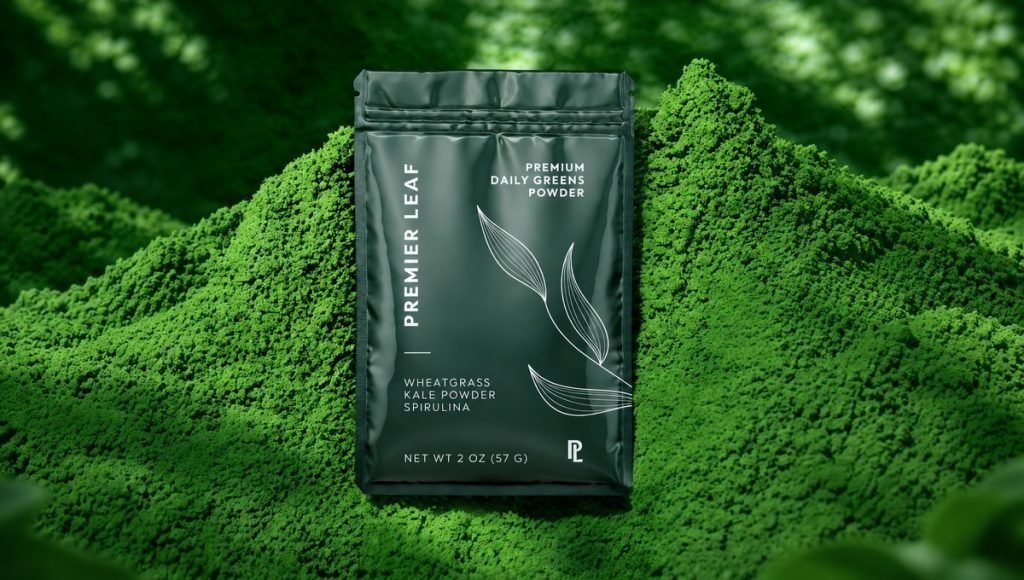
Balanced packaging design combines clear information, practical structure and distinctive visual details without overwhelming the product.Strong design skills help turn these creative decisions into packaging that remains clear, practical, and recognizable. This balance is especially important for snack brands, where a clear snack packaging system can use bold visuals while keeping flavors, benefits, and product information easy to navigate.
A useful way to balance creativity with usability is to establish a clear hierarchy before adding decorative elements. Product names, key benefits, instructions, and essential information should remain easy to find, while secondary graphics and details can add personality around that structure. This approach helps the packaging feel distinctive without sacrificing clarity or making the customer work harder to understand the product.
Creating Packaging That Is Distinctive and Accessible
Accessible packaging design considers readable fonts, easy-open features, and clear instructions. These principles can apply across different formats, from cartons and pouches to a plastic bottle, where structure, labeling, and usability all affect the customer experience. Packaging design should make these practical requirements feel like part of the overall brand system rather than separate limitations.
Collaborative designs should resemble a family to assist in product navigation for consumers. This is particularly important when a brand manages several SKUs or product categories, as shared visual cues can maintain recognition while still allowing each product to feel distinct. Personalization in packaging can create a sense of exclusivity and encourage sharing.
Conclusion: Creating Packaging That Builds Stronger Brands
Great packaging does more than make a product look attractive. It brings together strategy, function, communication, and visual identity to help a product stand out while expressing the brand’s essence. The strongest packaging design decisions consider the target audience, product needs, packaging materials, and the environments where customers will discover and use the product.
Effective packaging is a major brand touchpoint that communicates values and shapes customer experiences. When packaging designers balance creativity with usability and brand consistency, packaging design can support stronger recognition, increase perceived value, and give brands a more distinctive presence across retail and digital channels. The goal is to create packaging that works consistently from the first impression through the full customer experience.
Frequently Asked Questions About Packaging Design
What makes a good packaging design?
Good packaging design combines clear communication, strong visual identity, usability, and product protection. It should help the product stand out, support brand recognition, and make important information easy for consumers to understand.
How much does packaging design cost?
Packaging design costs depend on the project scope, number of products or SKUs, complexity of the packaging structure, and whether the work includes brand strategy, custom packaging, or structural packaging design. Larger product systems usually require more time and planning.
How long does packaging design take?
The timeline depends on the complexity and scope of the project. A typical process may include research, concept development, revisions, physical prototypes, testing, and final artwork preparation before the packaging is ready for production.