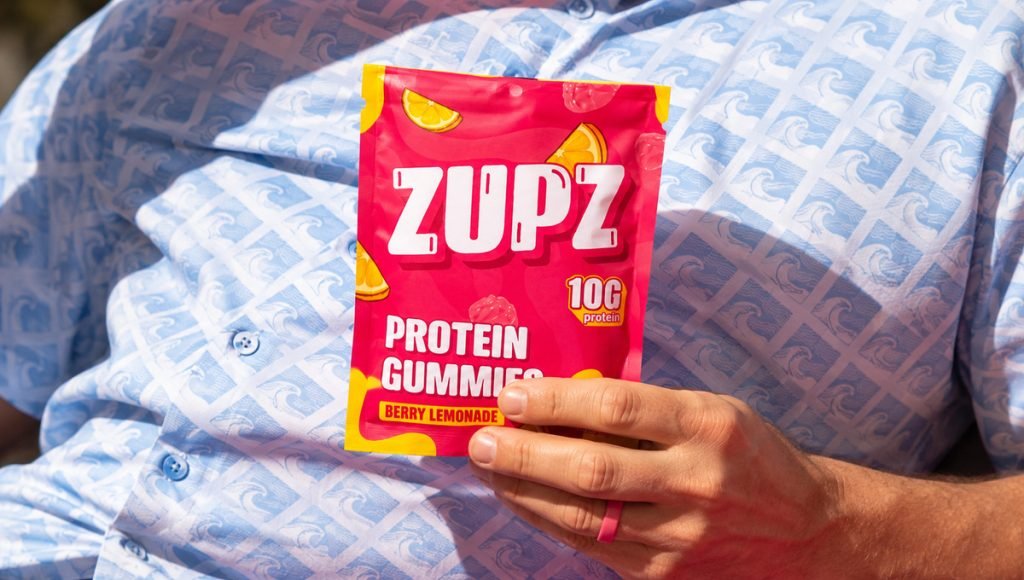
CPG branding shapes how consumer packaged goods are positioned, recognized, and remembered across crowded retail and digital environments. It brings together brand strategy, visual identity, packaging design, messaging, and the overall experience consumers associate with a product.
Strong CPG branding helps companies communicate value quickly, build brand recognition, and create consistency across products and channels. This guide explains what CPG branding includes, why it matters in the consumer packaged goods industry, how to build an effective strategy, and how a scalable brand system can support future growth.
What Is CPG Branding?
CPG branding is the process of shaping how a consumer packaged goods brand is positioned, presented, and experienced across customer touchpoints. It combines strategy, messaging, visual identity, packaging, and communication to create a clear and recognizable presence in the market.
The CPG industry covers a wide range of everyday consumer goods, including food and beverages, personal care products, pet food, household cleaners, supplements, and essentials such as toilet paper. These products often compete directly for limited shelf space and attention, so the brand needs to communicate what the product is, who it is for, and why it is different within a short amount of time.
Effective CPG branding creates a consistent foundation that can work across physical products, retail environments, ecommerce, social media, and other digital touchpoints without losing the core identity of the brand.
What Does CPG Branding Include?
CPG branding combines the strategic and visual elements that shape how a product is understood in the market. It goes beyond a logo or individual package by connecting positioning, messaging, brand identity, and packaging design into one recognizable system.
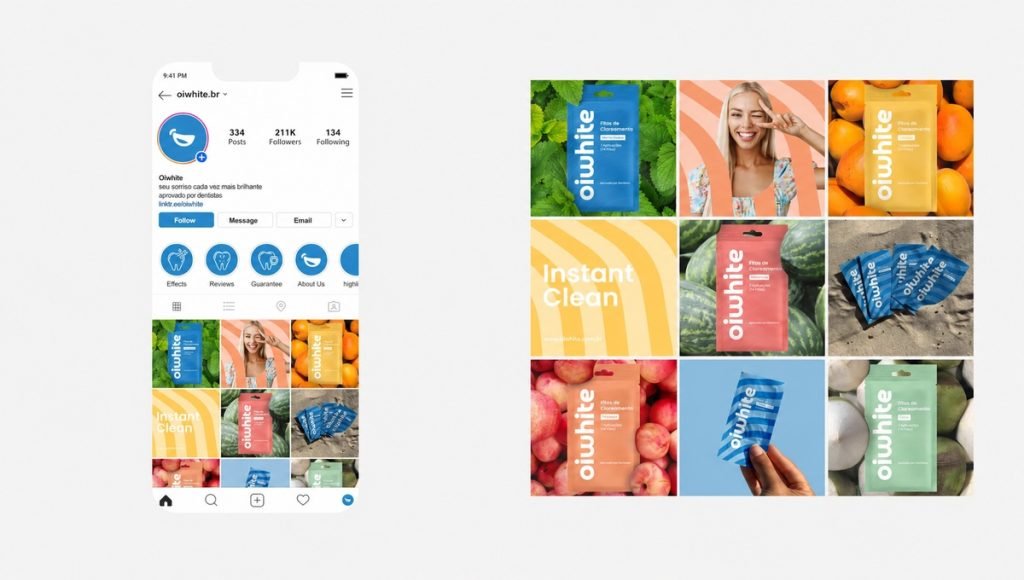
For consumer packaged goods brands, these elements need to work across physical products, ecommerce, retail environments, websites, and future line extensions. A cohesive brand system creates consistency while leaving enough flexibility for individual products and categories to communicate their own benefits.
Brand Strategy and Positioning
A strong brand strategy defines where the brand fits within its CPG category, which consumers it wants to reach, and what makes its offer different from competing products. Consumer insights can help identify changing consumer preferences, unmet needs, and growth opportunities within the target market.
A clear value proposition should connect those insights with a specific reason to choose the product. When positioning is focused, customers can understand the product more quickly and the business has a stronger foundation for future decisions.
Visual Identity and Packaging
Visual identity translates strategy into recognizable design elements such as color, typography, imagery, logo usage, and graphic systems. These elements should remain consistent enough to strengthen brand recognition while adapting to different products and formats.
Packaging design is especially important in CPG branding because it is often one of the first physical interactions customers have with a product. Structure, hierarchy, color, product information, and visual differentiation should work together to make the product recognizable and easy to understand.
Brand Voice and Messaging
Brand voice defines how a CPG brand communicates its personality, purpose, and value. Messaging should feel connected whether consumers encounter the brand on packaging, a website, retail materials, social media, or other digital channels.
Strong messaging focuses on the needs of the target audience rather than relying on generic claims. When verbal and visual communication reinforce the same position, the overall brand becomes easier to recognize and remember.
Why CPG Branding Matters
CPG branding influences how consumers notice, evaluate, and remember products when comparing multiple options. Clear positioning, distinctive packaging, and consistent communication can make a product easier to understand while reinforcing its value at the point of purchase. A strong visual identity system helps turn that positioning into recognizable colors, typography, packaging, and other brand elements that consumers can identify quickly.

Brand recognition becomes especially important in categories where many brands offer similar products. Familiar colors, typography, naming systems, packaging structures, and messaging can help customers identify the same brand across different products and channels.
Consumer preferences and demand can change over time, but a strong brand gives CPG companies a stable foundation from which to adapt. The objective is not to redesign the brand every time the market changes, but to maintain a recognizable identity while evolving the parts that need to respond to new expectations.
Brand Recognition and Consumer Trust
Consistent branding helps consumers recognize products across shelf space, ecommerce listings, and different product lines. When the product experience consistently matches the expectations created by the brand, recognition can develop into trust and customer loyalty over time.
This consistency is particularly valuable for established brands and growing CPG companies introducing new products. Customers should be able to recognize the same brand without every SKU needing to look identical.
Competitive Differentiation
A distinct position, recognizable visual identity, and clear product promise can help a CPG product stand apart from competing alternatives. Effective branding makes the value of the product easier to understand and gives the business a stronger platform for competing within its category.
How to Build a CPG Branding Strategy
Building a strong CPG branding strategy starts with understanding the market, the audience, and the role the brand should play within its category. The strategy should guide positioning, messaging, visual identity, packaging, and future brand decisions so that each part of the business supports the same direction.
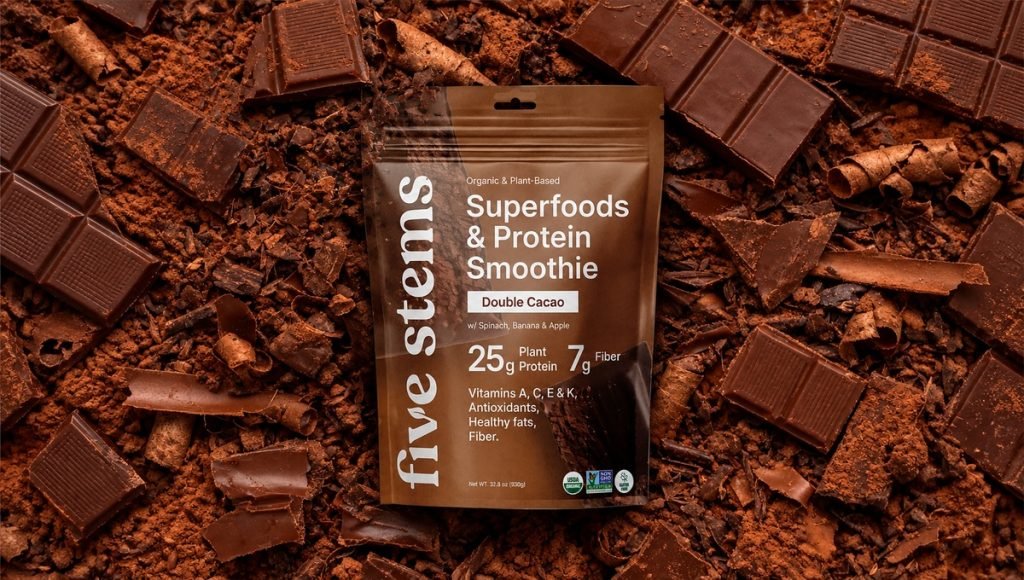
In this BeMain Studio project, brand positioning was translated into recognizable packaging designed to communicate the product clearly and consistently.A CPG branding agency can support this process by connecting research and strategic decisions with a consistent creative system that can work across products, packaging, ecommerce, and future growth.
Research the CPG Category and Consumer Needs
Research should identify the target audience, competing products, buying behavior, and gaps within the CPG category. Consumer insights, customer feedback, sales information, surveys, and focus groups can help teams understand what consumers value and where an existing offer may be falling short.
The goal is to find a meaningful opportunity for the brand rather than simply following what other CPG companies already do. Research should inform the strategy, not replace it.
Define Brand Positioning and Value Proposition
Clear positioning explains where the brand belongs in the market and why customers should choose it over alternatives. The value proposition should connect a real customer need with a clear product benefit while remaining distinctive enough to support long-term brand growth.
Build the Brand Identity
The creative process translates strategy into a visual identity that can be recognized across packaging and other touchpoints. Color, typography, imagery, logo use, graphic elements, and product hierarchy should support the same positioning instead of following design trends without a clear reason.
Test the Brand and Create Guidelines
Testing can reveal whether positioning, packaging, and messaging are being understood as intended. Feedback from customers, focus groups, retail teams, or smaller market tests can help identify areas of confusion before the system is expanded.
Once the direction is established, brand guidelines provide a clear set of rules for applying the identity across packaging, digital assets, future products, and line extensions. This gives internal teams, designers, and partners a shared framework as the brand grows.
The Role of Packaging in CPG Branding
Packaging is one of the most visible expressions of CPG branding because it connects the brand strategy directly with the physical product consumers see and handle. In crowded categories, strong packaging design can improve brand visibility, communicate important product benefits quickly, and help the product stand apart from competing options.
The packaging system also needs to work beyond physical retail. Product imagery, typography, colors, and messaging should remain recognizable across ecommerce listings and online sales so customers can identify the same product whether they encounter it on a shelf or on a screen.
Packaging also affects how easily a CPG brand can grow. A clear hierarchy and flexible visual system make it easier to introduce new products, sizes, flavors, or formats without weakening the identity customers already recognize. For wellness products, the same principle applies to wellness packaging design, where product information and brand identity need to work together clearly.
Building a CPG Brand System That Can Scale
As CPG companies grow, the brand system needs enough flexibility to support new products, categories, and channels without losing recognition. A scalable system creates clear rules for how naming, packaging, typography, color, imagery, and messaging should evolve as the product range expands.
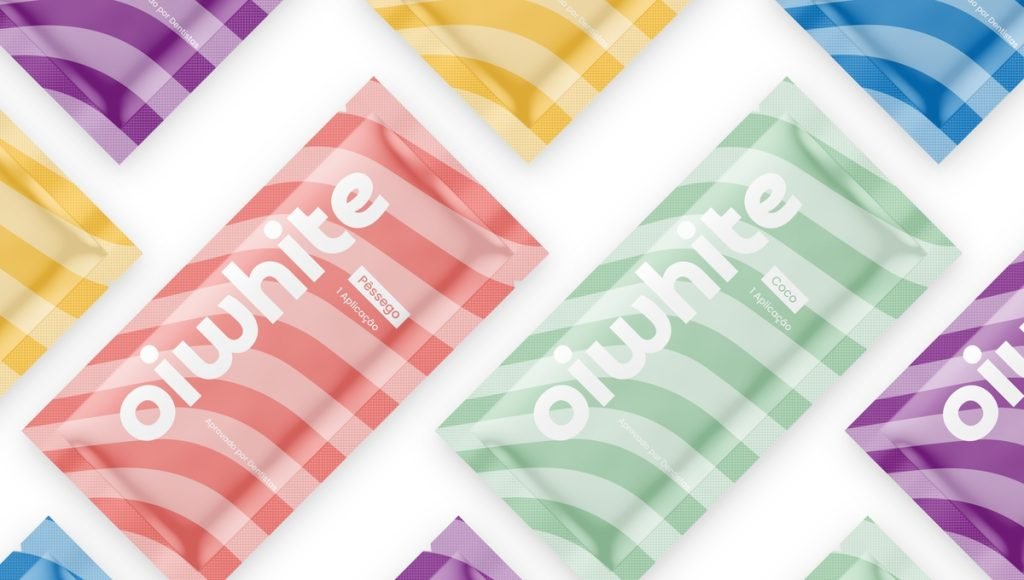
This is particularly important for food and snack brands, where packaging across products needs to make variants easy to distinguish while keeping the overall brand recognizable.
Managing Products and SKUs
Multiple products should feel connected while remaining easy for customers to distinguish. Clear naming, color systems, hierarchy, and product-specific visual cues can organize a growing CPG range without making every SKU look identical.
Maintaining Consistency Across Product Lines
Core brand elements should remain stable across different products while selected details can change to communicate specific benefits, flavors, formats, or use cases. This balance protects recognition without limiting flexibility.
Planning for Future Extensions
A scalable brand system should anticipate future line extensions rather than solving every new product independently. Planning for new flavors, sizes, product types, and categories early can reduce unnecessary redesign work and help the brand grow more consistently.
How CPG Branding Works Across Retail, Ecommerce and Digital Channels
CPG branding needs to remain recognizable wherever consumers encounter the product. Retail packaging, ecommerce listings, websites, social media, and digital marketing may use different formats, but they should communicate the same brand position and visual identity.
Retail environments place greater emphasis on shelf space, packaging hierarchy, and quick recognition, while ecommerce environments depend more heavily on product imagery, thumbnails, supporting graphics, and clear information. The underlying brand system should be strong enough to work in both without becoming inconsistent.
This consistency also gives future marketing efforts a clearer foundation. Retail marketing, social media content, advertising, and other campaign assets can adapt to individual channels while still reinforcing the same recognizable brand rather than creating a different identity for every campaign.
Measuring CPG Branding Performance
Measuring CPG branding performance helps companies understand whether the brand is becoming more recognizable and whether its positioning continues to support business goals. Useful indicators can include brand recognition, repeat purchase behavior, customer loyalty, market share, website activity, online sales, and customer feedback.

The right key performance indicators depend on the goals of the business. A newer CPG product may focus more heavily on awareness and brand visibility, while an established brand may place greater emphasis on repeat customers, market share, product extensions, or performance across new channels.
Specific metrics are most useful when they inform future brand decisions. Changes in customer behavior, product performance, or consumer demand can reveal where positioning, messaging, packaging, or other parts of the strategy may need refinement.
How to Choose a CPG Branding Agency
A CPG branding agency should understand both brand strategy and the practical requirements of consumer packaged goods. That includes positioning, visual identity, packaging design, product hierarchy, ecommerce presentation, and the ability to build a system that can expand across future products and line extensions.
Relevant category expertise also matters. Food, beverage, wellness, personal care, and other consumer goods each have different competitive environments and packaging requirements, so the agency should be able to adapt its process to the product rather than apply the same visual formula to every client.
The strongest partnership should result in more than individual creative assets. The goal is a clear brand system that gives the business a consistent foundation for packaging, digital channels, future products, and long-term growth.
Final Thoughts on CPG Branding
Successful CPG branding brings strategy, positioning, visual identity, packaging, and messaging together into one recognizable system. For consumer packaged goods brands, this system needs to communicate quickly while remaining flexible enough to work across products, retail environments, ecommerce, and future growth.
A strong brand does not depend on one logo, package, or marketing campaign. It is built through consistent decisions that make the product easier to recognize, understand, and remember. Whether managed internally or with support from a CPG branding agency, that consistency creates a stronger foundation for long-term brand recognition and business growth.
Frequently Asked Questions About CPG Branding
What Is CPG Branding?
CPG branding is the process of creating a clear and recognizable identity for consumer packaged goods. It combines brand strategy, positioning, visual identity, messaging, and packaging design to shape how customers understand and remember the product.
What Does CPG Branding Include?
CPG branding typically includes brand strategy, positioning, naming, messaging, visual identity, packaging, product hierarchy, and guidelines for applying the brand consistently across retail and digital touchpoints.
Why Is Branding Important for CPG Products?
CPG products often compete directly with many alternatives, so strong branding helps customers identify the product quickly, understand its value, and recognize it again across different channels and product lines.
How Does Packaging Support CPG Branding?
Packaging translates the brand strategy into a physical product experience. Color, typography, structure, hierarchy, messaging, and product information work together to improve recognition and keep the brand consistent across different SKUs.
What Should a CPG Branding Agency Provide?
A CPG branding agency should be able to connect strategy with execution across positioning, visual identity, packaging design, messaging, and scalable product systems. The work should support the current product while also giving the brand a clear framework for future growth.