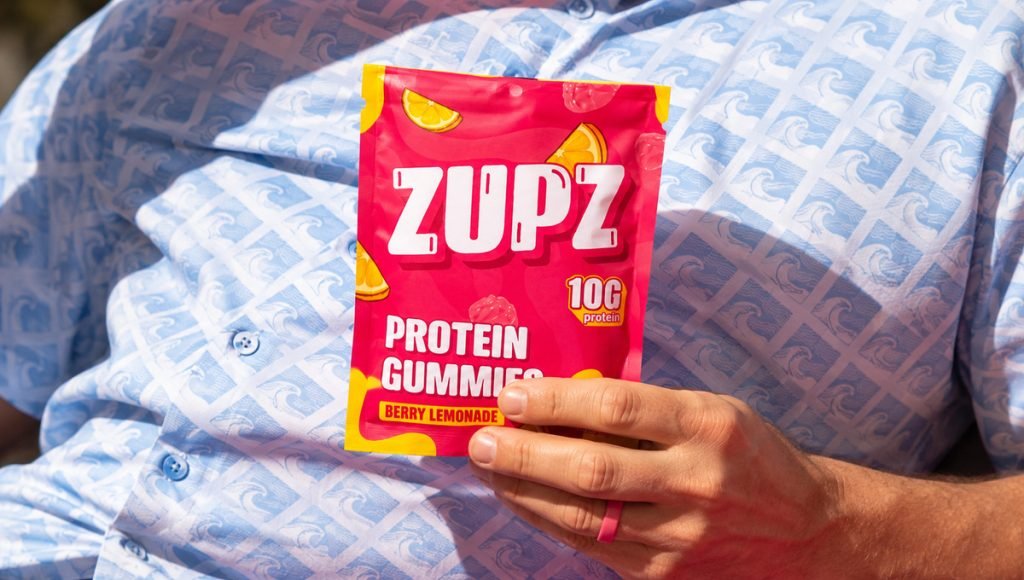
Supplements branding in 2026 is about more than creating attractive packaging or a recognizable logo. A strong supplement brand needs a clear position, a consistent brand identity, and a design system that helps consumers understand what the product offers and why they should trust it. Effective branding should also make the brand easier to recognize and differentiate within the supplement industry, where many products compete for attention.
In a crowded supplement market, effective supplements branding can help a supplement company build consumer trust, create stronger product differentiation, and stay recognizable across supplement packaging, retail, e-commerce, social media, and other customer touchpoints. This guide covers the key elements of supplement branding, including brand strategy, visual identity, packaging design, positioning, compliance, and long-term consistency.
What Is Supplement Branding and Why Does It Matter?
Supplement branding is the process of shaping how a supplement company is positioned, presented, and remembered. It brings together brand strategy, brand identity, messaging, packaging design, and other visual elements to create a consistent experience around dietary supplements. In the vitamin and supplement industry, strong branding helps communicate quality, credibility, and the value behind a product.
This matters because the supplement market is highly competitive, with many brands offering similar ingredients, benefits, and formats. Effective supplements branding helps build trust, strengthen product differentiation, and make products easier to recognize across supplement packaging, retail, e-commerce, and social media. A clear and consistent brand can also make it easier for consumers to understand what the product offers and why it may be relevant to them
Building a Supplement Brand Strategy for a Crowded Market
A strong brand strategy gives supplements branding a clear direction before decisions are made about visuals, packaging, or marketing. In a crowded market, the goal is to define who the brand is for, what makes it different, and how it should compete within the wider supplement market. Identifying a clear unique selling proposition can help the brand stand out while giving future marketing strategies a stronger foundation.
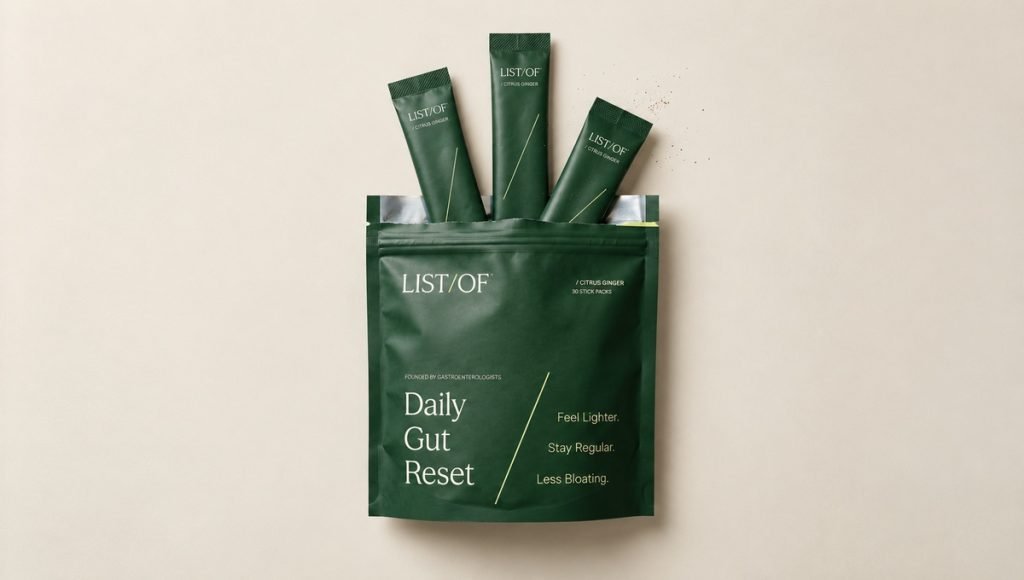
A clear brand strategy connects positioning, visual identity and packaging into one recognizable supplement system.A clear strategy also helps guide decisions around messaging, product architecture, pricing perception, and future expansion. When these choices are aligned from the start, the brand can grow more consistently without losing the positioning that made it distinctive in the first place.
Understand Your Target Audience and Market
Start by understanding the target audience, their goals, lifestyle preferences, buying behavior, and expectations from dietary supplements, especially among health conscious consumers. Different categories such as gut health, sleep support, immune health, or a cognitive health supplement can attract consumers with very different priorities. Reviewing the competitive landscape can also reveal where established brands are already strong and where opportunities for product differentiation may exist.
Define a Clear Brand Position
Your unique selling proposition defines what sets your brand apart and clarifies the unique selling points your messaging should emphasize. A strong USP may focus on ingredient quality, formulation integrity, scientific validation, convenience, or specific product benefits. A compelling brand story can deepen that differentiation and build trust by expressing the brand values behind the product.
Align Your Positioning With the Business Model
The brand strategy should support how the supplement company plans to sell and grow. An e-commerce focused business model may rely more heavily on digital marketing, digital branding, educational content, and social media, while retail-focused supplements also need strong shelf recognition and clear product communication. Personalized nutrition is also influencing how brands develop offers and messaging for specific audiences.
Earlier market estimates valued the personalized nutrition and supplements market at $14.6 billion in 2023 and projected it to reach $37.3 billion by 2032, while newer 2026 research estimates the market at $15.9 billion in 2025 and projects $48.6 billion by 2033.
Earlier estimates also placed the global dietary supplements market at $414.52 billion by 2033, while a newer 2026 estimate projects $431.69 billion. These figures vary by report scope and methodology, but they illustrate the scale and continued growth of the category.
Core Elements of a Strong Supplement Brand Identity
A strong brand identity gives supplements branding a recognizable visual and verbal system that can work across products, packaging, retail, and digital channels. These core elements should reflect the brand’s positioning, values, and target audience while helping consumers recognize the brand quickly.

Supplements branding with logo design, typography, packaging, and visual identityA cohesive identity also makes it easier to maintain consistency as the product range grows. Logo design, typography, color, imagery, and brand voice should work together as one system rather than as separate design decisions. This creates a stronger foundation for keeping the brand recognizable across new products, packaging, and customer touchpoints.
Logo and Visual Identity
Logo design is one part of a broader brand design system that includes typography, imagery, layout, icons, and other recognizable branding elements. For supplement brands, the visual identity should communicate professionalism and product quality while remaining distinctive enough to stand out within the supplement industry.
Color Palette, Typography and Design Elements
The color palette, typography, and other design elements influence how consumers perceive a supplement brand. Color psychology can support different associations, while typography affects readability and personality. These elements should work consistently across supplement packaging, websites, and other brand touchpoints.
Brand Voice, Transparency and Trust Signals
Brand voice defines how the company communicates across packaging, educational content, product pages, and social media. It should speak directly to the target audience while remaining clear and credible. Transparency around ingredients, third-party testing, scientific validation, and relevant third-party certifications can help build trust, strengthen customer loyalty, and support a stronger brand identity.
How Branding and Packaging Work Together
Branding and packaging should work as one connected system rather than separate parts of the customer experience. For supplements, packaging is often the first physical interaction consumers have with the brand, so it needs to express the same positioning, personality, and values established through the wider supplements branding strategy.
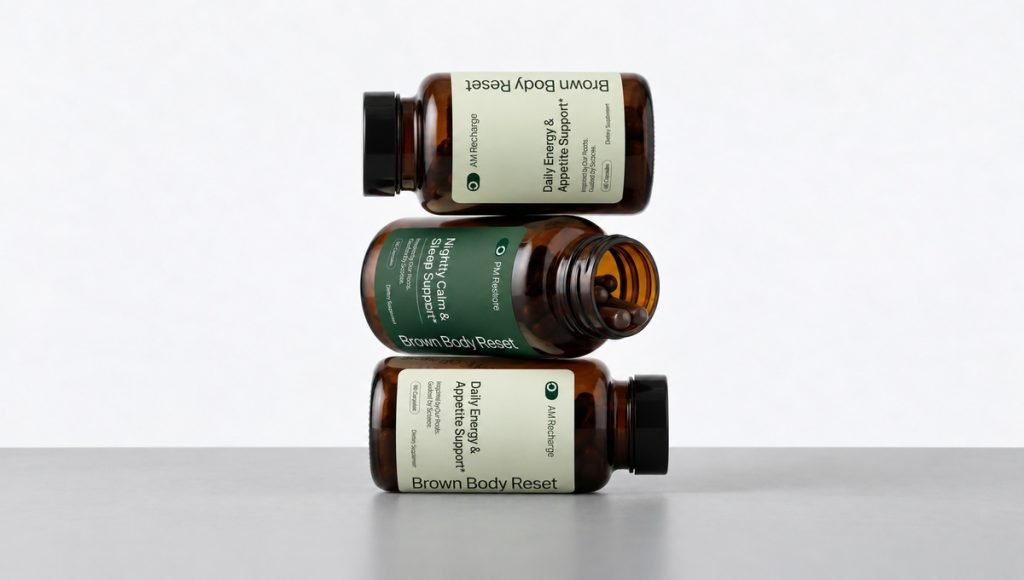
Consistent supplements branding helps multiple supplement products feel connected while keeping each SKU distinct.Effective packaging design communicates trust and transparency while making products easier to understand. It should support brand recognition, clearly communicate benefits, and balance visual differentiation with practical requirements such as labeling, product information, and applicable industry regulations.
Choosing the Right Packaging Format
The right supplement packaging format depends on the product, how it is used, and where it will be sold. Bottles, pouches, jars, sachets, and stick packs can create different perceptions and experiences, so the format should support both the supplement category and the overall brand identity.
For brands built around plant-based products, sustainable materials and thoughtful format choices can also reinforce a more natural positioning. A premium vitamin brand, for example, may approach structure and materials differently from a convenient daily supplement designed for portability.
Packaging as a Design Strategy
Packaging design should reinforce the positioning of the brand through typography, layout, imagery, materials, and recognizable visual cues. Strong branding and packaging can make supplements easier to identify across a product range while helping the product stand out in both retail and digital contexts.
High-quality packaging can also reinforce premium positioning by making the product feel more considered and consistent with the value the brand wants to communicate. Because supplements are packaged consumer goods, packaging should support both positioning and trust rather than simply making the product visually appealing.
Information Hierarchy and Compliance
Clear labeling is essential for consumer trust in supplements. Product names, ingredients, benefits, dosage instructions, warnings, and other required information should be organized so consumers can quickly find what matters while supporting applicable labeling and food safety requirements. Supplement packaging also needs to account for industry regulations and avoid unsupported health claims without sacrificing essential information.
Creating a Consistent System Across Products and SKUs
A successful brand needs a packaging system that can grow with new formulas, flavors, sizes, and product types. Consistent typography, layout, structural cues, and recognizable branding help connect individual dietary supplements while still giving each SKU enough distinction. This becomes even more important as a supplement company expands across multiple supplement categories and product lines.
Supplements Branding for Retail, E-Commerce and Digital Marketing
Supplement branding needs to remain clear and recognizable whether consumers discover a product on a retail shelf, an e-commerce store, or through digital marketing. Each channel presents the product differently, so consistent product packaging, messaging, and visual identity help consumers recognize it wherever they encounter it.
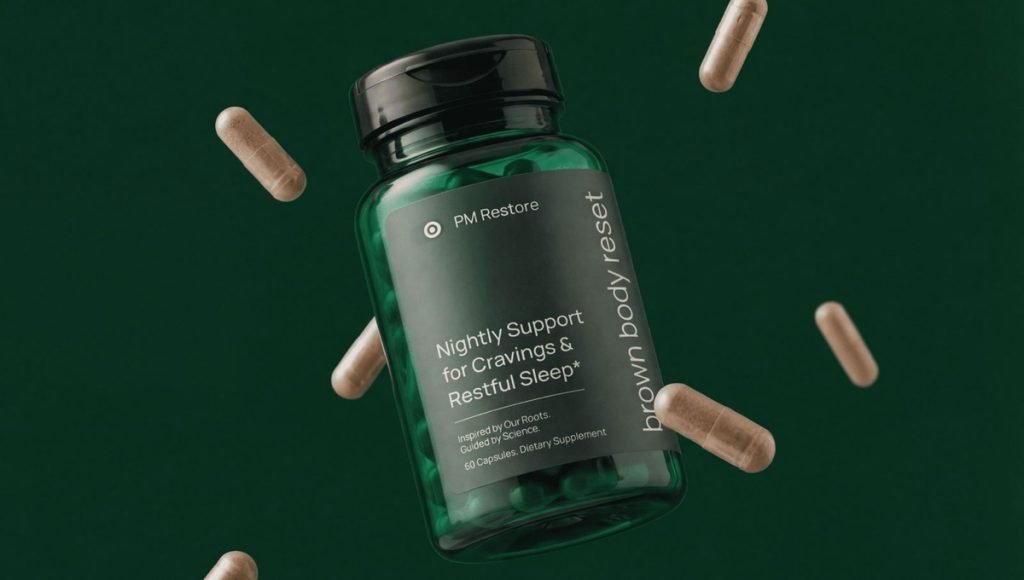
Consistent supplements branding helps products remain recognizable across retail, e-commerce, and digital channels.This consistency is especially important in the supplement industry, where products often compete with many similar options. Strong branding can help products stand out, communicate benefits quickly, and create a more connected experience between the first purchase and future interactions with the brand.
Creating Strong Shelf Recognition
In retail, packaging has only a short time to attract attention and communicate what the product offers. Distinctive typography, a recognizable color palette, clear product naming, and consistent packaging design can help a product stand out within a competitive supplement category without overwhelming consumers with unnecessary information.
Designing for Digital Product Images
Supplement packaging also needs to perform at smaller sizes on product pages, marketplaces, and social media. A strong online presence depends on packaging and product imagery staying recognizable in search results and marketplaces. Brand names, product types, key benefits, and important visual cues should remain easy to recognize in thumbnails, while supporting images can communicate additional details that may not be visible on the physical package.
Maintaining Brand Consistency Across Channels
A successful brand should feel connected across retail displays, e-commerce pages, websites, online advertising, social media, and other digital channels. Maintaining the same brand voice, visual identity, and core messaging across these channels helps build consumer trust and makes supplements branding more recognizable as the brand grows. Influencer partnerships can also support visibility when the creative message remains consistent with the wider brand identity.
How to Build a Supplement Brand Step by Step
Building a supplement brand works best when strategy, identity, packaging, and communication are developed as one connected system. Each stage should support a broader consumer brand strategy so the brand feels unified from the first concept through packaging, e-commerce, and future product launches.
A strong supplements branding system brings strategy, identity, and packaging together into one consistent system.For dietary supplements, this process also needs to account for industry regulations, consumer trust, and how the brand will grow within the supplement market. Effective supplements branding combines emotional appeal with rigorous transparency instead of treating design and credibility as separate priorities.
Research and Brand Strategy
Start by researching the supplement category, target audience, competitors, and the key questions potential customers ask before making a purchase. The brand strategy should define positioning, product differentiation, values, and the reason the brand deserves attention. This foundation gives later decisions around messaging, design, and marketing strategies a clear direction.
Identity and Packaging Development
Once the strategy is established, the visual identity and supplement packaging can translate it into something consumers can recognize. Logo design, color palette, typography, imagery, packaging structure, and information hierarchy should work together to communicate the intended positioning while making the product range feel like part of one brand system.
Testing and Refining the Design
Before finalizing the design, review how the branding performs across physical packaging, retail shelves, digital product images, websites, and social media. Testing can reveal issues with readability, hierarchy, consistency, or product communication that may not be obvious during the initial design stage. Refinement should improve clarity without weakening the distinctive elements that make high-quality products stand out.
Creating Brand Guidelines for Future Growth
Brand guidelines help maintain consistency as new supplements, SKUs, campaigns, and channels are introduced. They can define logo usage, typography, color systems, packaging rules, imagery, and brand voice while also outlining how claims and product information should be handled. For supplement marketing, teams should also account for applicable FDA and FTC requirements so future materials remain consistent with both the brand and regulatory expectations.
Common Supplements Branding Mistakes
Even strong products can struggle when the branding feels generic, inconsistent, or difficult to understand. In the supplement space, effective branding needs to balance visual distinction with clarity, credibility, and enough structure to support the product range as it grows. A clear system also makes it easier for consumers to recognize the brand and understand how different products relate to one another.
Many of the most common mistakes happen when brands focus on individual design decisions instead of the full system. Strong supplements branding should connect positioning, brand identity, packaging design, messaging, and compliance so each touchpoint reinforces the same brand. When those elements are disconnected, the customer experience can feel fragmented even if individual pieces look good on their own.
Using Generic Branding and Packaging
Generic branding can make dietary supplements blend into an already competitive market. Relying on familiar colors, predictable layouts, or visual trends without a clear design strategy can make a vitamin brand difficult to distinguish. Branding and packaging should reflect the product’s positioning and communicate a recognizable reason for consumers to choose it.
Creating an Inconsistent Product Line
When every SKU looks unrelated, consumers may struggle to recognize that the products belong to the same brand. A consistent packaging system should connect the product range through typography, color, layout, and other visual cues while still giving each supplement category enough distinction to remain easy to navigate.
Overcomplicating the Visual Identity
Too many colors, fonts, claims, icons, and design elements can weaken the hierarchy and make supplement packaging harder to understand. A stronger approach is to keep the brand identity focused, using only the elements needed to communicate product benefits, build recognition, and help the product stand out clearly.
Using Unclear Product Claims and Information
Unsupported or confusing health claims can damage consumer trust and create regulatory risk. FDA does not approve dietary supplements before they are marketed and generally does not approve dietary supplement claims or labeling before use.
Supplement companies are responsible for ensuring that their products and claims comply with applicable requirements. Labels should also present required information clearly, including ingredients and dosage instructions. Relevant third-party certifications should only be used when they genuinely apply.
Supplements Branding Examples: What Strong Brand Systems Have in Common
Real world examples of strong supplements branding often share the same foundation: clear positioning, recognizable visual branding, consistent communication, and a system that can adapt across different supplements. A successful vitamin brand does not rely on a logo alone. Its typography, colors, imagery, messaging, and product presentation work together so customers can quickly recognize what the brand represents. A clear supplement packaging system can then carry that identity consistently across bottles, pouches, cartons, and future product variants.

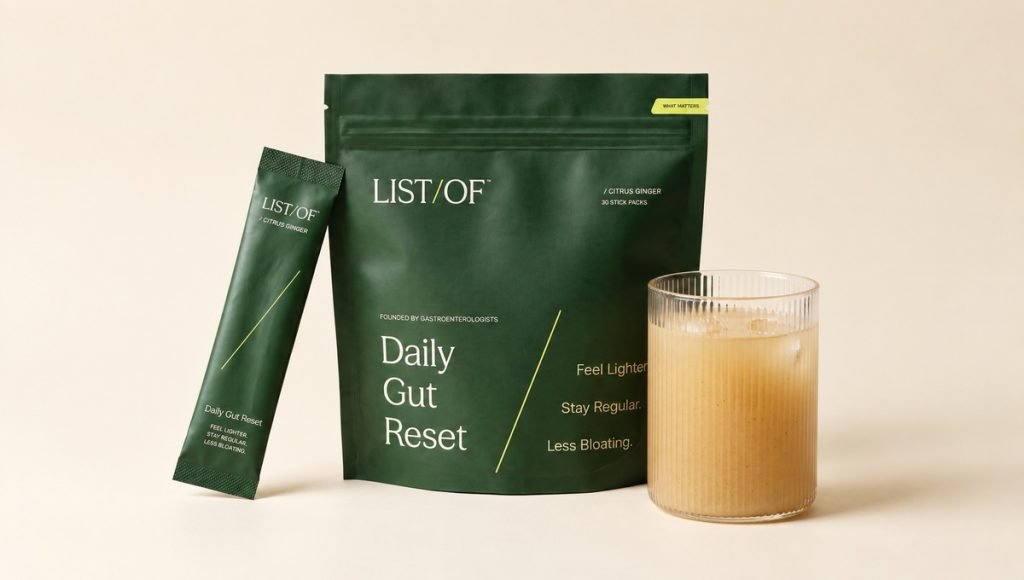
Strong supplements branding carries a recognizable visual identity consistently from the logo to product packaging.Strong supplements branding also stays consistent without making every product look identical. Individual supplements can have their own benefits and visual cues while still feeling connected to the same brand. This balance is especially useful when a company expands into new supplement categories, flavors, formats, or audiences.
The strongest systems also make it easier to build recognition over time. Consistent branding across packaging, e-commerce, social media, and educational content can reinforce consumer trust, support social proof, and help turn first-time buyers into loyal customers. It also gives the brand a stronger foundation for introducing new products without losing familiarity.
Building Recognition and Community Engagement Over Time
Strong supplements branding should remain recognizable as the brand grows and reaches consumers through new products, campaigns, and channels. Consistent branding helps reinforce familiarity, while community engagement gives customers more opportunities to interact with the brand beyond the first purchase. Educational content, lifestyle content, social media, user generated content, and educational posts can help keep customers engaged when they provide useful information rather than constant promotion.
Social proof and positive customer reviews can also strengthen credibility by showing how real customers experience and understand the supplements within their everyday routines.Over time, these interactions can support customer loyalty and improve customer lifetime value by giving people more reasons to return to the brand.
Strong brand recognition and trust can also contribute to lower customer acquisition costs over time by reducing friction when potential customers encounter the brand across repeated touchpoints. Email marketing and loyalty programs can help turn first-time buyers into loyal customers, while the same brand voice, values, and visual identity can remain consistent across every interaction.
Final Thoughts on Supplements Branding
Strong supplements branding brings together positioning, visual identity, clear communication, and a consistent customer experience. Whether building a new vitamin brand or refreshing an established supplement business, the goal is to make the brand recognizable while helping consumers understand what makes its supplements different.
As the supplement market continues to grow, successful branding will depend on more than visual trends. Brands need to communicate quality, credibility, and relevance while creating enough flexibility to support new supplements, changing customer expectations, and long-term success.
Frequently Asked Questions About Supplement Branding
What Makes a Strong Supplement Brand?
A strong supplement brand combines clear positioning, a recognizable brand identity, consistent messaging, and packaging that communicates the product clearly. It should help consumers understand what makes the supplements different while building trust through professional design, transparency, and consistent branding.
Why Is Branding Important for Supplement Companies?
Branding helps a supplement company stand out in a crowded market where many products offer similar ingredients or benefits. Effective supplements branding can improve recognition, communicate quality, support market share, and create a consistent experience across packaging, retail, e-commerce, and social media.
How Do You Create a Supplement Brand Identity?
Creating a supplement brand identity starts with understanding the target audience, market position, brand values, and product range so the identity reflects who the brand serves and what it stands for. From there, logo design, color palette, typography, imagery, brand voice, packaging design, and physical branding can be developed as one connected system that supports the positioning of the vitamin brand and remains consistent as it grows.