A brand refresh is a focused update to an existing brand that improves how it looks, sounds, and connects with its target audience without replacing the company’s core identity. It can include refinements to the visual identity, logo, color palette, typography, brand voice, messaging, website, and other customer-facing touchpoints. The goal is to help the current brand stay relevant and recognizable while better reflecting the business as it exists today.
This guide is for companies whose brand no longer fully matches their market position, audience, or business direction but does not require a complete rebrand. It covers the signs that a refresh may be needed, how a brand refresh differs from rebranding, what should stay versus change, the refresh process, brand guidelines, rollout, common mistakes, and how to keep the refreshed brand consistent across every channel.
What Does a Brand Refresh Actually Change?
A brand refresh updates the parts of a brand that feel outdated, inconsistent, or no longer aligned with the business while preserving the core elements that still have value. The changes may affect the brand identity, logo, color palette, typography, imagery, brand voice, messaging, website, social media, packaging, and other marketing materials. The scope depends on how much the existing brand needs to evolve.
A strong refresh does not replace the company’s core values, mission statement, or overall brand strategy without a clear reason. Instead, it improves how those ideas are expressed so the brand feels more current, consistent, and relevant to its target audience. This can help close perception gaps, strengthen brand recognition, and make the company’s identity easier to understand across different touchpoints.
The final result should feel like a more refined version of the same brand rather than a completely new brand identity. Updated visual elements, clearer messaging, and stronger brand consistency should support the existing brand story while giving the business enough flexibility to reach new customers, enter new markets, and remain competitive.
When Your Current Brand Starts Falling Behind the Business
A brand refresh often becomes necessary when the business has evolved faster than the brand around it. The company may have a stronger offer, a clearer market position, or a different customer base, while its brand identity design and messaging still reflect an earlier stage of growth. The goal is to identify where the current brand no longer reflects the company, audience, or competitive environment and update those areas without losing recognition.

This gap can become more noticeable as the business enters new markets, expands its product or service range, or starts communicating across more channels. When the visual identity, brand voice, or overall presentation no longer matches the company’s current direction, a focused refresh can bring those elements back into alignment while preserving the parts of the brand that customers already recognize.
The Brand Identity Feels Dated
Outdated typography, an aging color scheme, inconsistent imagery, or a logo that no longer works well across modern digital formats can make an established company feel less relevant than it actually is. These issues become more noticeable when the wider market has evolved but the brand continues to rely on visual elements that no longer support its positioning.
A refresh can modernize the visual identity through refined typography, an updated color palette, improved logo applications, new graphics, and stronger visual assets without abandoning the recognizable parts of the existing brand. The aim is to remain current while preserving the equity already built with existing customers.
The Brand No Longer Fits the Audience or Positioning
A business can outgrow the audience and positioning its original identity was designed for. New products, services, price points, geographic expansion, or changes in the market can create a gap between how the company sees itself and how existing or potential customers perceive it.
Market research, customer feedback, and a clearer understanding of the ideal customer can help identify whether that gap exists. A strategic refresh can then align the brand identity, brand voice, value proposition, and messaging more closely with the target audience while still maintaining enough familiarity for the existing customer base. This can also help the brand connect with new audiences without trying to become an entirely new brand.
Your Brand Looks Inconsistent Across Key Touchpoints
Brand inconsistency often becomes obvious as a company grows. The website may use one visual style, social media another, while presentations, packaging, sales materials, and other marketing materials continue to use older versions of the brand.
A refresh creates an opportunity to bring those touchpoints back into one system. Updated brand guidelines can define how the logo, color palette, typography, tone of voice, imagery, and other brand elements should remain consistent across the website, social media posts, marketing materials, and future campaigns.
Brand Refresh vs Rebrand: How Far Should You Go?
A brand refresh updates an existing brand without replacing the strategy, recognition, and equity that already work. It is usually the right direction when the current brand still has a strong foundation but needs a more relevant visual identity, clearer messaging, a refined brand voice, or stronger consistency across channels.
A full rebrand goes much further. It may involve a new brand identity, major changes to positioning, a different target audience, changes to the company mission or value proposition, and a more fundamental transformation of how the business presents itself. In those situations, a visual update alone may not be enough.
The key question is whether the brand needs evolution or reinvention. If the core values, audience, and brand strategy still make sense, a refresh can modernize the brand while protecting brand recognition with existing customers. If those foundations have changed significantly, a complete rebrand may be more appropriate than simply giving the brand a new look.
The Brand Refresh Process
A successful brand refresh needs more than a visual update. Like the wider brand development process, it should connect research, strategy, design, and rollout so every change supports the business, the target audience, and the wider brand system. Clear goals at the beginning also make it easier to define success in measurable terms and determine whether the refresh improves recognition, consistency, and customer perception.
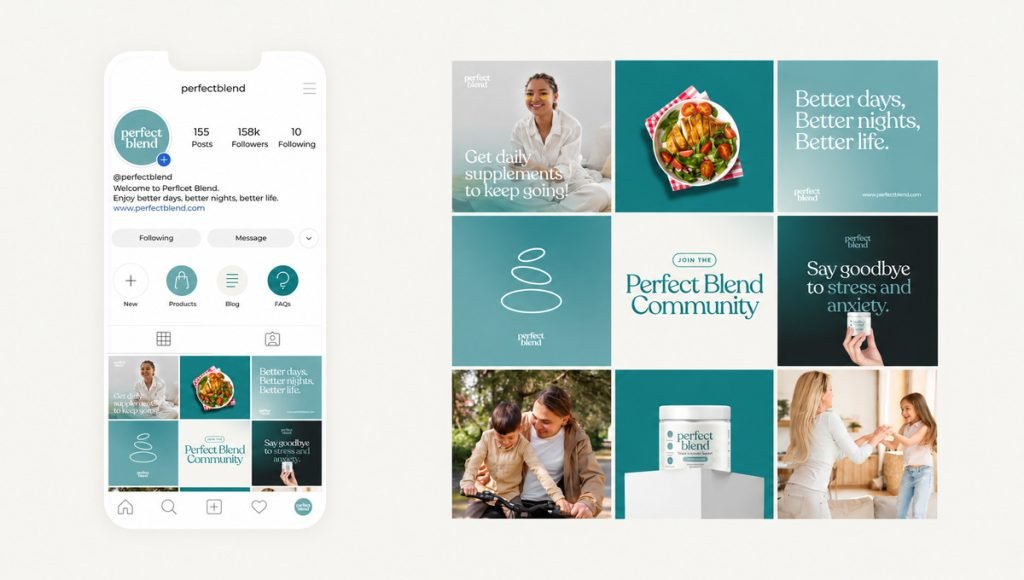
This structure also helps keep the refresh focused on the problems that actually need to be solved. Instead of changing individual elements in isolation, the process can prioritize the areas with the greatest impact, preserve the parts of the existing brand that still work, and create a clearer path for applying the refreshed identity consistently across future touchpoints.
Start With a Brand Audit
Begin with a brand audit to understand what is working and what is not. Review the logo, color scheme, typography, imagery, brand voice, website, social media, marketing materials, and other customer-facing touchpoints. The audit should also identify inconsistencies between the company’s current positioning and how the brand is actually presented.
Market research, competitor analysis, customer feedback, and internal stakeholder input can add useful context. These insights help reveal perception gaps, changing audience expectations, industry trends, and areas where the existing brand may no longer support the company’s market position. Establishing clear goals at this stage keeps later design decisions connected to actual business needs.
Decide What Deserves to Stay
A refresh should not remove recognizable brand elements simply because they are old. Existing customers may already associate specific colors, typography, logo features, messaging, or other visual cues with the company, so those assets can still carry meaningful brand recognition.
The goal is to separate valuable equity from elements that genuinely need improvement. Core values, the company mission, brand story, and unique value proposition should remain intact when they still support the business. A refresh works best when it evolves the brand without sending everything back to the drawing board or making customers feel like they are encountering an entirely new company.
Refresh the Brand Identity, Voice and Visual System
Once the direction is clear, the refreshed brand can begin to take shape. This may include logo refinements or, when justified, a new logo, along with a revised color palette, refined typography, new graphics, updated imagery, and a more consistent visual system across digital and physical applications.
The brand voice should be reviewed at the same time. Changes to tone of voice, messaging, and key brand statements can help the company communicate more clearly with its target audience and potential customers without replacing the wider brand strategy. New design elements should also be tested across the website, social media, packaging, advertising, and other real applications before they are finalized.
Build Brand Guidelines and Roll Out the Refresh
Updated brand guidelines turn the refresh into a consistent system rather than a collection of new assets. A clear style guide should explain how the logo, color palette, typography, imagery, tone of voice, and other brand elements should be applied across the website, social media, marketing materials, packaging, and future campaigns.
Before public launch, communicate the refresh internally so teams understand what changed and why. Stakeholder feedback and team training can help everyone apply the new brand guidelines consistently, while a planned rollout across the website, social media posts, marketing materials, packaging, sales assets, and other touchpoints prevents old and new versions of the brand from remaining in use at the same time.
What Makes a Brand Refresh Feel New Without Feeling Unfamiliar?
A strong brand refresh should feel noticeably improved without making the company unrecognizable. For product-led businesses, that same continuity should extend through the wider product branding system, so packaging, messaging, digital channels, and other customer touchpoints continue to feel connected to the same brand. Familiar elements should remain when they still carry recognition, while weaker parts of the identity can evolve.

The refreshed brand should work as one connected system. A new logo, color palette, new website, or set of social media assets will not create lasting improvement if the brand voice, messaging, and other touchpoints continue to feel inconsistent. Every update should support the same brand story, values, and market position.
A successful refresh should also leave room for growth. The new look needs enough flexibility for future campaigns, product releases, new markets, and changing customer needs while protecting recognition with existing customers. The brand should feel current and relevant without becoming disconnected from what people already know.
Success should be evaluated against the goals established before the refresh. Useful indicators can include brand awareness, customer sentiment, engagement, website behavior, feedback from customers or sales teams, and whether audiences recognize and understand the updated identity. These signals help determine whether the refresh closed the original perception gaps rather than simply creating a different visual style.
Where Brand Refreshes Go Wrong
A brand refresh can create new problems when changes are made without a clear strategy. The biggest mistakes usually happen when a company focuses too heavily on appearance and not enough on the audience, positioning, messaging, and consistency behind the update.
- Changing recognizable elements without a reason: Replacing familiar colors, logo features, or other brand assets can weaken recognition with existing customers.
- Following trends too closely: A refresh should help the brand stay relevant and competitive, not make it look like every other company in the market.
- Updating visuals but ignoring the brand voice: A new logo or color palette will not fix inconsistent messaging, tone of voice, or a weak value proposition.
- Refreshing only some touchpoints: A new website paired with outdated social media, marketing materials, or packaging creates an incomplete brand experience.
- Launching without clear guidelines: Without new brand guidelines and internal alignment, teams can quickly begin applying the refreshed identity in different ways.
The strongest refreshes avoid these problems through clear goals, audience insight, stakeholder feedback, careful planning, and consistent implementation. Every major change should solve a defined problem rather than exist only to make the brand look different.
Brand Refresh Checklist
Before launching a brand refresh, review the updated system as a whole rather than judging individual design changes in isolation. The refreshed brand should remain recognizable, consistent, and aligned with the business, target audience, and long-term direction.
| Area | What to Review |
| Brand Strategy | Confirm the refresh still supports the company mission, positioning, and value proposition. |
| Visual Identity | Review the logo, color palette, typography, imagery, and other visual assets. |
| Brand Voice | Make sure messaging and tone of voice still fit the audience and brand personality. |
| Key Touchpoints | Update the website, social media, marketing materials, packaging, and other customer-facing channels. |
| Brand Guidelines | Create or revise the style guide so the refreshed brand is applied consistently. |
| Rollout | Plan how older assets will be replaced across internal and external channels. |
A final review helps catch inconsistencies before launch and makes the refreshed brand easier to manage once it goes live. It is also a useful point to solicit feedback from the people responsible for applying the identity in everyday marketing and communication.
Final Thoughts on Refreshing Your Brand
A brand refresh works best when it improves how the brand looks, sounds, and performs without removing the elements customers already recognize. The goal is not to create a completely new brand, but to make the existing identity more relevant, consistent, and aligned with the business today.
The strongest refreshes connect brand strategy, visual identity, brand voice, and customer-facing touchpoints into one clear system. When those elements remain consistent, the brand can stay competitive, appeal to new audiences, and still feel familiar to existing customers.
A refreshed brand should ultimately make the company easier to understand and easier to recognize. With clear goals, careful planning, useful feedback, and strong brand guidelines, the update can support future growth without losing the equity the brand has already built.
Brand Refresh FAQs
What Is a Brand Refresh?
A brand refresh is a focused update to an existing brand that improves its visual identity, messaging, and overall presentation without replacing its core strategy or identity. It may include changes to the logo, color palette, typography, brand voice, website, and other key touchpoints.
How Do You Know When a Brand Needs a Refresh?
A refresh may be needed when the brand feels outdated, inconsistent, no longer reflects the business, or does not connect well with the current target audience. Changes in market position, customer expectations, products, services, or the company’s direction can also signal that the brand needs to evolve.
What Is the Difference Between a Brand Refresh and a Rebrand?
A brand refresh improves the existing identity while keeping its core recognizable. A full rebrand involves deeper changes to positioning, strategy, audience, messaging, or the company’s identity and may result in a completely new brand system.
What Should You Change During a Brand Refresh?
The changes depend on what the brand audit reveals. Common updates include logo refinements, typography, color palette, imagery, brand voice, messaging, website design, social media assets, marketing materials, and brand guidelines. The goal is to change only what improves relevance, clarity, and consistency.
How Often Should a Brand Be Refreshed?
There is no fixed schedule. A brand should be refreshed when its identity no longer reflects the business, audience, or market rather than simply because a certain amount of time has passed. Regular reviews of brand consistency, customer perception, market position, and business direction can help identify when an update is actually needed.