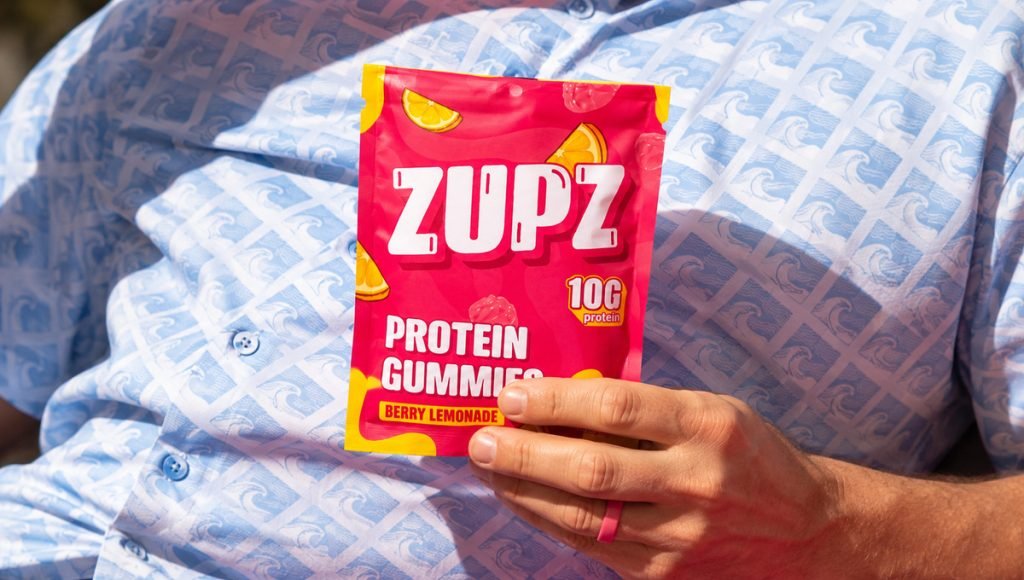
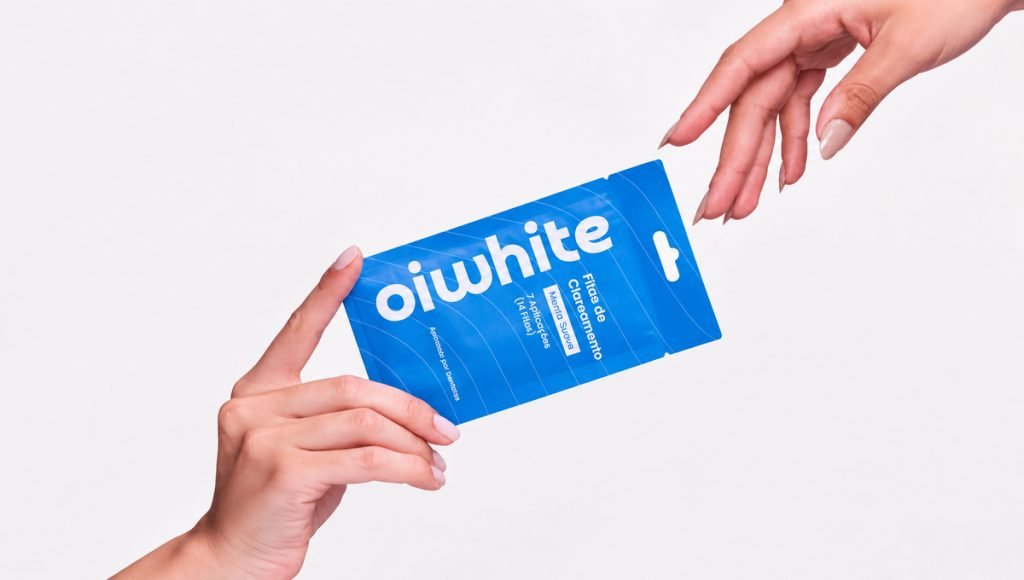
Supplement packaging plays a practical and visual role in how supplements are protected, presented, understood, and recognized. The right packaging needs to support product quality while making important information easy for consumers to find. Supplement packaging must prevent moisture and oxygen exposure, while the structure, labeling, and visual design should also reflect the product’s purpose and appeal to the target audience.
This guide is for supplement brands, founders, and marketing teams developing or improving dietary supplement packaging. It covers supplement packaging design, common formats, packaging materials, labeling, product protection, sustainability, and retail presentation, helping businesses choose solutions that support both product performance and clear communication.
What Is Supplement Packaging and Why Does It Matter?
Supplement packaging refers to the containers, labels, boxes, pouches, and other materials used to protect, present, and communicate dietary supplements. It needs to preserve product integrity while giving consumers clear information about the supplement, its purpose, and how it should be used. Effective supplement packaging requires balancing regulatory compliance and product protection.
For supplement brands, packaging also affects shelf appeal, brand credibility, and the way customers judge quality before trying the product. High-quality packaging protects sensitive ingredients from degradation, while clear labeling and a professional presentation can support brand trust and make supplements easier to understand across retail and e commerce.
Choosing the Right Packaging Format for Supplements
Choosing the right format depends on the formulation, quantity, protection needs, storage conditions, and how the product will be sold. The best supplement packaging should protect the contents while remaining practical for customers and consistent with the wider brand. Different packaging options can also affect shipping, shelf presence, usability, and the amount of space available for labeling.
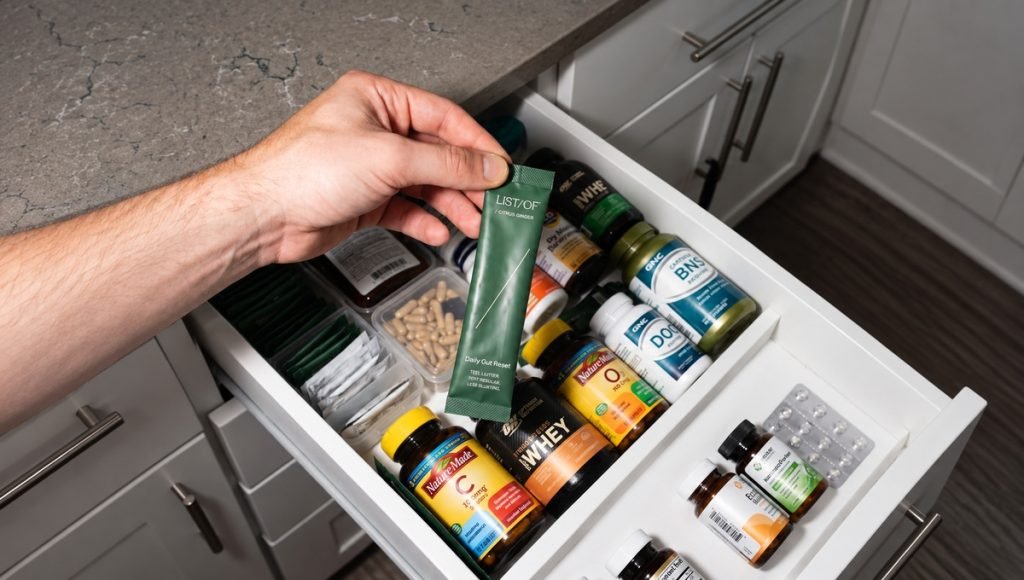
Supplement packaging includes flexible pouches and tear-away packets, but bottles, jars, sachets, and supplement boxes are also widely used across dietary supplements. The right choice should match the product form while helping maintain quality, safety, and convenience from production through everyday use.
The right packaging also needs to match the formulation, storage conditions, and way the product is distributed and used. Different nutritional supplements may require different levels of protection, container formats, or labeling space, so these practical requirements should be considered alongside the visual design from the beginning.
Bottles and Jars
Bottles and jars are common for vitamins, capsules, gummies, powders, and other nutritional supplements. Glass bottles and high clarity PET enhance shelf appeal, while different container shapes and custom sizes can support specific quantities and product requirements.
The container also needs to provide suitable protection for the formulation. Packaging must be airtight to protect supplements from damage, and additional features such as tamper-evident seals can improve security and give customers greater confidence in the product.
Pouches, Stick Packs and Sachets
Flexible pouches, stick packs, and sachets can work well for powders, single servings, and supplements designed for portability. They can reduce packaging weight, use less storage space, and provide convenient formats for products that customers may use at home or while traveling.
High-barrier packaging is essential for maintaining supplement potency when ingredients are sensitive to moisture or oxygen. Flexible pouches can be made from sustainable materials, giving supplement brands additional options when balancing product protection, convenience, and sustainability.
Supplement Boxes and Secondary Packaging
Supplement boxes can add structure, protection, and additional space for product communication. Custom boxes can hold capsules, powders, and gummies, while secondary packaging can also help organize bottles, sachets, or other containers into a more complete presentation.
For custom supplement packaging, boxes can be produced in different shapes, materials, and custom sizes depending on the product and distribution needs. Well-planned secondary packaging can also protect products during shipping while creating a more professional presentation on the shelf.
Packaging Materials and Finishing Options
Packaging materials influence product protection, durability, sustainability, printing quality, and the overall appearance of the finished product. Supplement brands may use plastic, glass, cardboard, corrugated materials, flexible films, or combinations of these depending on the formulation, shipping requirements, and desired presentation. These choices should also support the wider packaging design strategy.
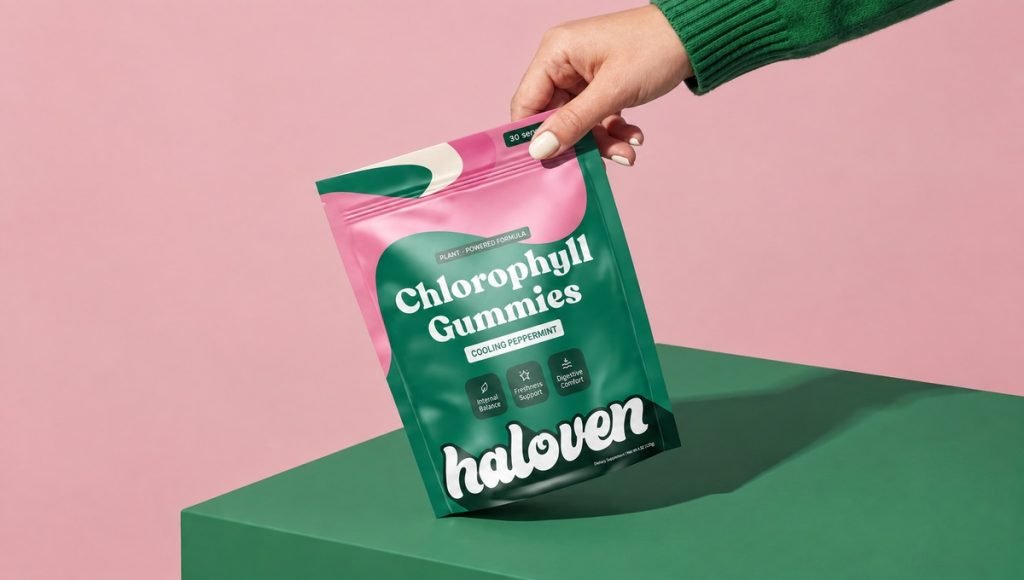
High quality materials can help protect product integrity while giving the packaging a more professional feel. Material selection should also consider moisture, oxygen, storage conditions, production requirements, and how the package will perform throughout distribution and everyday use.
Eco Friendly Materials and Kraft Paper
Eco friendly packaging is becoming increasingly relevant for supplement brands that want to reduce unnecessary material use and respond to changing consumer expectations. Sustainable packaging resonates with eco-conscious consumers. Eco-friendly packaging options include recyclable and biodegradable materials, while kraft paper and eco friendly kraft solutions can provide a more natural appearance for certain supplement boxes and secondary packaging.
Material choices still need to provide the protection required by the product. Sustainable packaging can minimize carbon footprints, but sustainability should be considered alongside durability, barrier performance, shipping efficiency, and product safety rather than treated as a visual feature alone.
Spot UV and Other Finishing Options
Finishing options can add contrast, texture, and emphasis to supplement packaging without changing the core structure. Spot UV can highlight selected logos, product names, or graphic elements, while foil stamping and soft touch lamination can create a more distinctive tactile and visual experience.
These finishes work best when they support the design hierarchy rather than compete with it. Soft touch, foil stamping, and selective printing effects can help supplement boxes stand out on the shelf, but the final result should still feel consistent with the brand, product positioning, and overall quality of the packaging.
Designing Clear and Effective Supplement Labels
A well-designed label needs to communicate the product clearly while supporting both compliance and brand recognition. Supplement packaging design should make essential information easy to find while reinforcing a clear supplement brand identity, without overwhelming customers with competing claims, graphics, or unnecessary detail. Clear hierarchy in design aids in quick consumer understanding.
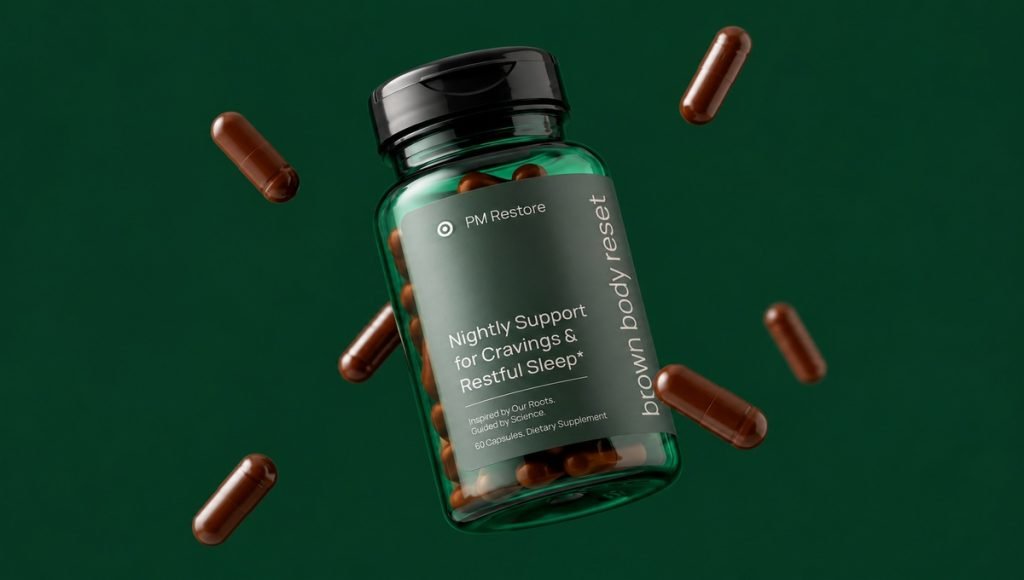
For dietary supplement packaging, visual clarity and accurate labeling need to work together. Packaging must serve as a compliance tool and trust builder. A strong label helps consumers understand the product while giving supplement brands enough flexibility to maintain a recognizable visual system across different formulations and product ranges.
Front Panel Hierarchy and Product Communication
The front panel should quickly communicate what the supplement is, what distinguishes it, and which information deserves the most attention. Packaging should prominently feature the Statement of Identity and net quantity of contents. Product name, formulation details, key benefits, and supporting brand elements should then follow a clear visual hierarchy rather than compete for the same space.
The design should reflect the product’s purpose and appeal to the target audience. Visual design influences perceived product value and quality. Thoughtful typography, spacing, color, and imagery can improve shelf appeal while helping customers distinguish between vitamins, powders, capsules, and other health supplements within the same brand.
Supplement Facts, Claims and Required Information
The Supplement Facts panel is essential for regulatory compliance. It needs to present required product information in a structured, readable format while working alongside ingredient lists, directions, warnings, and other relevant labeling. Regulatory compliance includes listing serving sizes active ingredients and allergens.
Claims also need careful attention. Packaging must avoid misleading claims and unsupported health benefits. Effective labeling prevents consumer confusion and demonstrates accountability, making accuracy just as important as aesthetics when designing packaging for dietary supplements and nutraceuticals.
How Supplement Packaging Builds Brand Trust
Packaging often shapes a customer’s first impression before they ever use the product. Clear information, consistent visuals, reliable materials, and thoughtful presentation can signal quality and help supplement brands appear more credible. High-quality packaging enhances product appeal and consumer trust. When the same visual system is applied consistently across bottles, boxes, labels, and other formats, it can also strengthen brand recognition over time.
Unique packaging helps differentiate brands in a crowded marketplace. Custom designs create memorable customer experiences, while well-executed printing, typography, and structural choices can reinforce the product’s positioning. For supplement brands, trust grows when the packaging feels professional, communicates clearly, and gives customers confidence in both the product and the business behind it.
Trust can also be reinforced after the purchase through practical details such as easy opening, clear instructions, secure closures, and packaging that performs as expected during regular use. When the physical experience matches the quality suggested by the design, customers are more likely to view the product and the brand as dependable.
Supplement Packaging for Different Product Categories
Different product categories have different requirements for format, protection, portioning, and presentation. Vitamins, capsules, gummies, powders, and herbal formulas should not automatically use the same solution simply because they belong to the wider wellness market. The product form, serving method, storage needs, and customer expectations should guide the final choice.
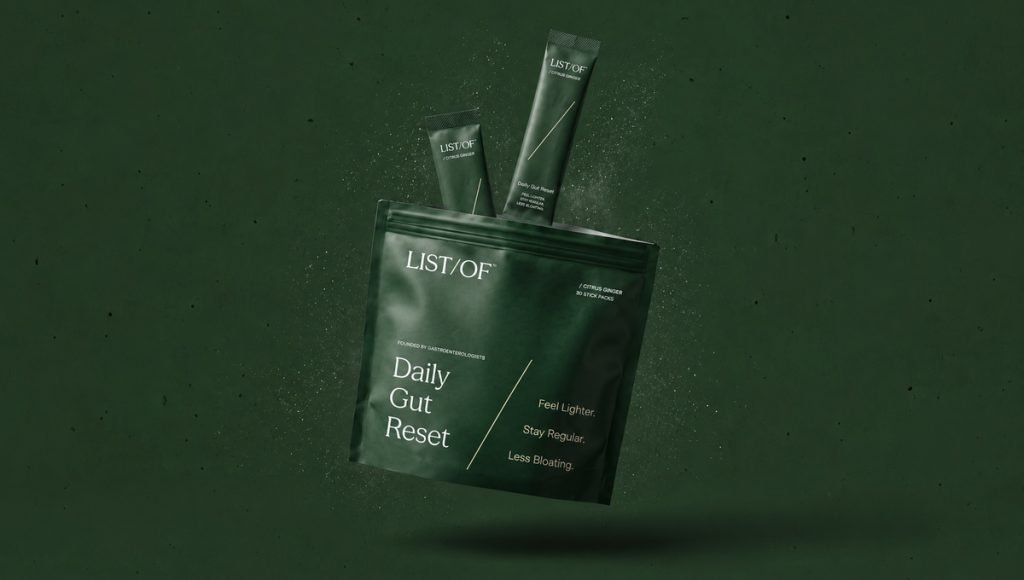
A flexible system can still create consistency across a wider range while allowing each product to use the container or structure that works best for it. This is especially useful for businesses expanding into several categories without making every product look disconnected.
Vitamins, Capsules and Gummies
Vitamin packaging often relies on bottles, jars, and boxes because these formats are practical for daily use and provide enough space for important product information. Vitamins and capsules also benefit from containers that are easy to store, open, and close while maintaining the quality of the contents throughout regular use.
Gummies may require different considerations because texture and formulation can influence storage and protection needs. The format should support usability while keeping the product presentation clear and recognizable across the wider range.
Powders, Protein and Performance Products
Protein powders and other performance-focused products often require larger containers, pouches, or tubs that can hold higher quantities while remaining practical for repeated use. The available space can also support clearer organization of serving information, product benefits, and visual cues that distinguish individual formulations.
For sports nutrition and similar health products, the structure should also account for shipping, storage, and everyday handling. Strong containers and carefully planned graphics can help products stand out while keeping the overall range visually connected.
Herbal, Botanical and Natural Wellness Products
Herbal, botanical, and other natural wellness products often benefit from a visual direction that communicates their ingredients and positioning without relying on generic natural-health conventions. Color, typography, materials, and product naming can create a more distinctive presentation while keeping the wider range visually consistent.
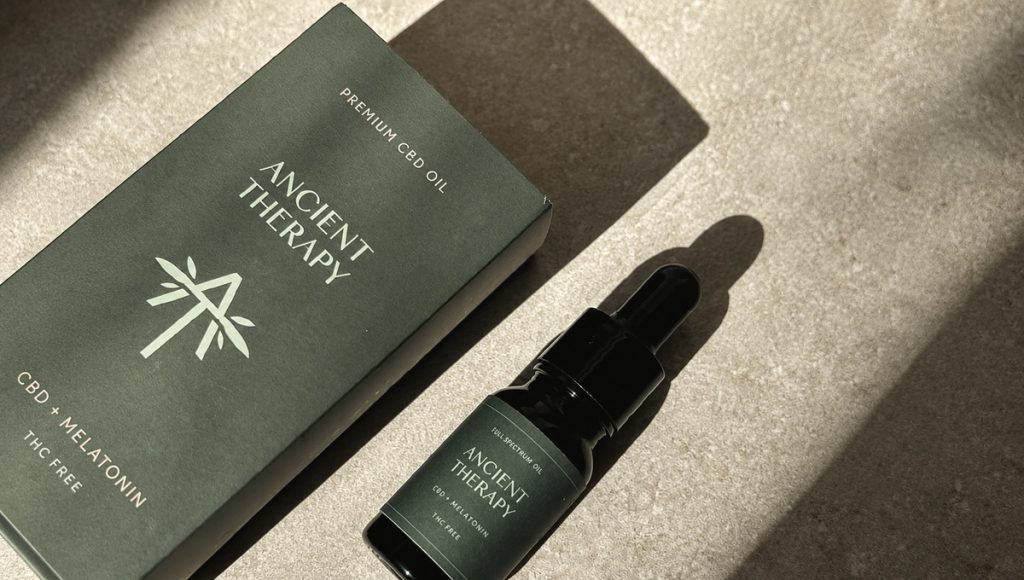
A practical example is Ancient Therapy, a BeMain Studio project built around natural wellness products. Its packaging uses a restrained color palette, simple typography, and a consistent visual system to give individual products their own identity while keeping the overall brand recognizable.
Peptide Packaging and Product Classification
Peptide products require particular attention because packaging decisions can depend on how the product is classified, marketed, and intended to be used. A peptide product should not automatically be treated like a conventional dietary supplement simply because it appears in a similar bottle, box, or container.
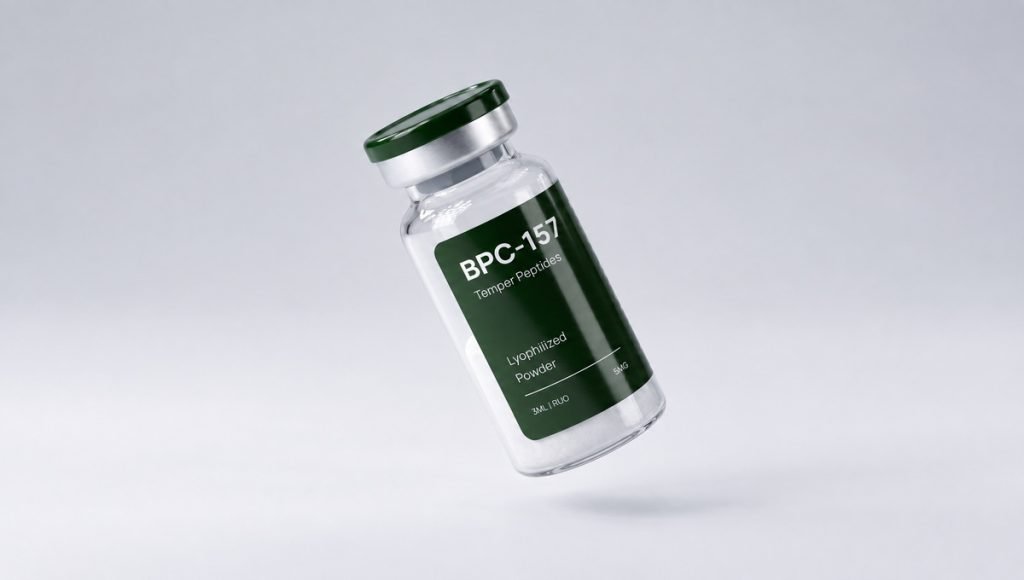
That classification can affect labeling, required information, claims, and the overall design approach. For designers and supplement businesses, the packaging system should therefore be developed around the product’s actual regulatory category rather than forcing every peptide product into the same structure used for vitamins, capsules, or powders.
In the U.S., products that qualify as dietary supplements must follow applicable labeling requirements, including appropriate product identity and quantity information. For current requirements and guidance, refer to the U.S. Food and Drug Administration.
Building a Packaging System Across Multiple SKUs
As supplement brands expand, packaging needs to work as a connected system rather than a collection of unrelated products. Shared typography, layout rules, color logic, and structural cues can create consistency across vitamins, capsules, powders, and other formulas while still making individual products easy to identify.
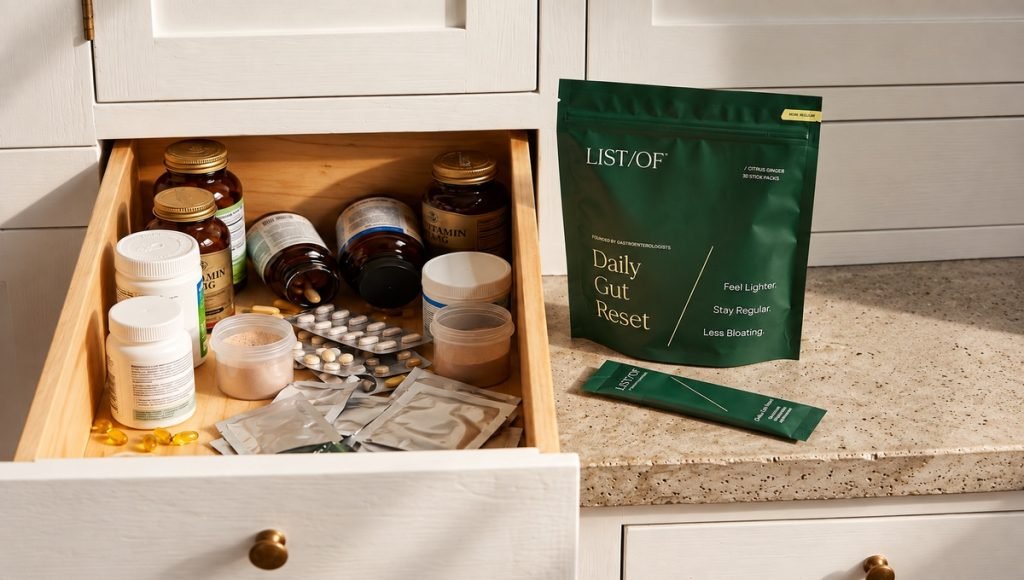
Planning the system early also makes future production more manageable. New flavors, strengths, quantities, or formulations can be introduced without rebuilding the entire design direction, helping the brand maintain recognition as the product range grows and enters a broader market.
Custom Sizes, Formats and Product Variants
Different SKUs may require custom sizes, bottles, pouches, or boxes depending on the product form and quantity. The key is to create enough flexibility for these variations while keeping the most recognizable design elements connected across the full range.
A scalable system can also account for stock packaging, new formulations, and changes introduced during manufacturing. When structural and visual decisions are planned together, multiple formats can be combined within one clear family instead of making each product feel like a separate brand.
Supplement Packaging for Retail and E Commerce
Retail and e commerce place different demands on how products are presented. In stores, the design needs to be easy to identify from a distance and communicate key information quickly, while online it must remain clear in product thumbnails, marketplace listings, and mobile screens. Food supplement packaging should therefore be designed to work consistently across both physical and digital environments.
Strong visual hierarchy, recognizable colors, and clear product naming can help individual items stand out while remaining connected to the wider range. Digitally printed graphics improve brand recognition and loyalty. For online sales, the design should also consider how the product will appear in photography and how clearly customers can distinguish different variants before making a purchase.
Packaging should also support how products are handled after they leave the shelf or product page. Clear variant naming, consistent imagery, and recognizable visual cues can reduce confusion during ordering, fulfillment, and repeat purchases, especially when customers are choosing between several similar supplement products.
Sustainable Supplement Packaging Without Sacrificing Function
Sustainability should improve the overall system without weakening protection, usability, or product quality. Sustainable packaging resonates with eco-conscious consumers, but material choices still need to account for moisture resistance, durability, shipping conditions, and the needs of nutritional supplements. Reusable containers can last over 2 years, while 100% recycled corrugated shippers align with sustainability goals for brands looking to reduce waste across distribution.
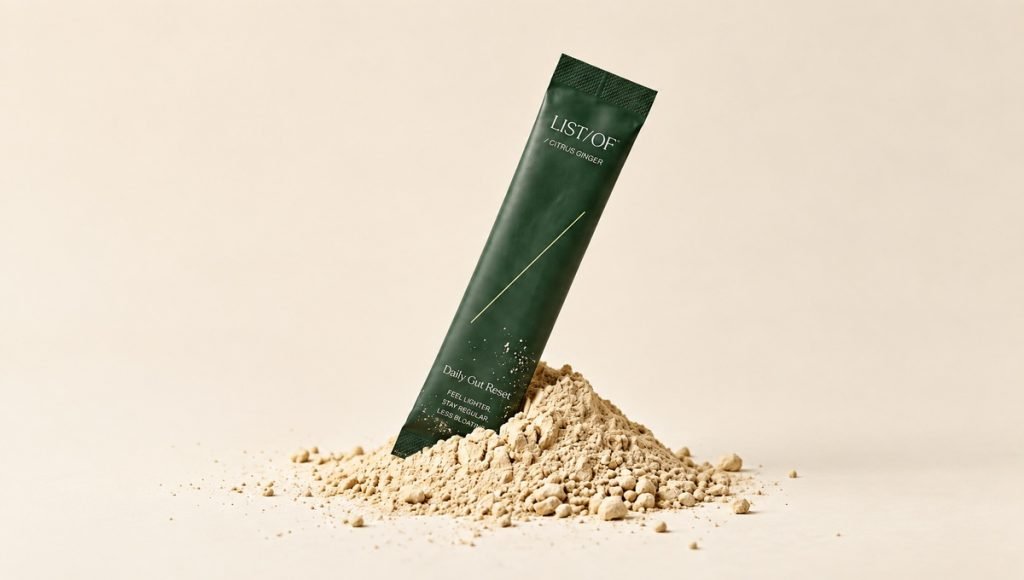
The best approach is to evaluate the full lifecycle rather than choosing a material only because it appears eco friendly. Lightweight structures, recyclable components, efficient sizing, and responsible sourcing can all support sustainability while maintaining performance. For bulk orders, reducing unnecessary material and shipping space can also improve efficiency without compromising the protection customers expect from the product.
Sustainable decisions can also be built into the packaging system through material reduction, smarter dimensions, and fewer unnecessary components. When these choices are considered early in the design and production process, brands can improve efficiency while keeping the packaging practical, protective, and visually consistent across different products.
Common Supplement Packaging Design Mistakes
Even a strong concept can lose effectiveness when the structure, information, and visual hierarchy are not planned together. Problems often appear when too much is added to the front panel, when individual products are designed without considering the wider range, or when regulatory requirements are addressed too late in the process.
Avoiding these issues helps create clearer communication and a more practical system for future growth. Good design should give consumers confidence, support everyday use, and leave enough flexibility for new products without sacrificing clarity or consistency.
Overloading the Front Panel
Trying to communicate every feature, benefit, ingredient, and claim on the front panel can make the design difficult to scan. Customers should be able to understand the product quickly, so the most important information needs enough space and visual priority.
A clearer hierarchy allows secondary details to move to appropriate side or back panels instead of competing for attention. This can improve readability while giving the design a cleaner, more professional appearance.
Designing One SKU Without Planning the Full Range
Designing a single product without considering future variants can create problems when the range expands. New flavors, quantities, formulations, or categories may require additional colors, naming structures, containers, or boxes that were not considered in the original system.
Planning ahead makes it easier to add products while preserving recognizable elements across the range. This also gives the team more ability to adapt the system without redesigning everything each time a new SKU is introduced.
Treating Compliance as an Afterthought
Compliance should be considered during the design process rather than added after the visual direction has already been finalized. Required information, available label space, claims, warnings, and panel structure can all affect layout decisions.
Leaving these requirements until the end can force unnecessary revisions and weaken the final design. Building them into the layout from the beginning helps maintain clarity while giving the required information enough space to remain readable and properly organized.
Final Thoughts on Supplement Packaging
A successful packaging system needs to do more than look attractive. It should protect nutritional supplements, communicate important information clearly, support the positioning of the brand, and remain practical across production, shipping, retail, and online sales. The strongest solutions bring structure, labeling, materials, and visual direction together instead of treating them as separate decisions.
As the product range grows, a well-planned system also makes it easier to introduce new formulas, custom boxes, or additional formats without losing consistency. The goal is to create packaging that supports product quality, gives consumers confidence, and can evolve with the business over time.
What Is the Best Packaging for Supplements?
The best supplement packaging depends on the product form, protection needs, storage, and how customers will use it. Bottles, jars, pouches, and larger containers can all work well depending on the formulation.
What Information Should Supplement Packaging Include?
Dietary supplement packaging should clearly show the product identity, quantity, Supplement Facts, ingredients, directions, warnings, and other required labeling. The information should be easy for consumers to find and understand.
How Do You Choose the Right Supplement Packaging Format?
Choose the format based on the formulation, quantity, shipping, storage, labeling space, and usability. The final option should protect the product while fitting the wider brand and product range.