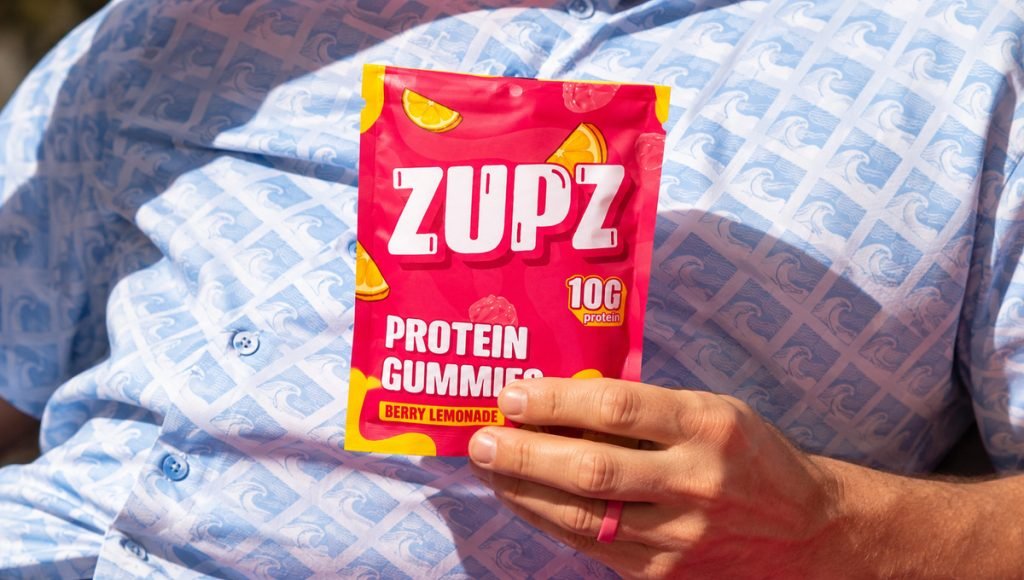
Branding for startups in the consumer packaged goods (CPG) industry is the process of turning a product idea into a recognizable brand that customers can understand and trust. It combines brand strategy, positioning, visual identity, packaging design, and messaging to help new products compete in crowded retail and digital markets. For CPG founders, successful startup branding needs to work on actual products, not just in a design presentation.
At bemain studio, we help food, wellness, supplement, and personal care startups build brands from the ground up. Our approach connects strategic decisions with packaging, websites, and marketing materials, creating a consistent identity from the earliest stages. This guide explains what CPG startup branding includes, how the branding process works, and what founders can learn from three real projects: LIST/OF, Five Stems, and OiWhite.
What Does Branding for CPG Startups Include?
Branding for startups involves defining what a company stands for, who its ideal customers are, and why its products deserve attention. A strong brand is more than just a logo. It includes brand purpose, a clear value proposition, visual identity, brand voice, and the experiences customers associate with the product. For early-stage CPG businesses, these foundations help connect a new product with its intended target market.
Unlike many tech startups, CPG companies must communicate their value through physical products as well as digital experiences. Packaging often creates the first impression, while a website, social media content, and other marketing channels reinforce the same message. Building these elements together helps founders maintain consistency, establish brand recognition, and prepare for future growth. Our guide to CPG branding explores the wider principles behind creating recognizable consumer brands.
3 Real CPG Startup Branding Examples From bemain studio
Every CPG startup has different products, customers, and challenges. A gut health supplement requires a different branding approach from a superfood smoothie or an oral care product. The following projects demonstrate how brand strategy, creative direction, and packaging design can work together to establish a distinctive identity for new consumer brands.
LIST/OF: Building a Recognizable Gut Health Brand
LIST/OF is a doctor-founded gut health brand created to make daily digestive support easier to understand. Its Daily Gut Reset product combines prebiotic fiber, probiotics, botanicals, and other ingredients in a convenient stick-pack format. The branding needed to communicate clinical expertise, ingredient transparency, and a straightforward daily routine without overwhelming potential customers with complicated supplement messaging.
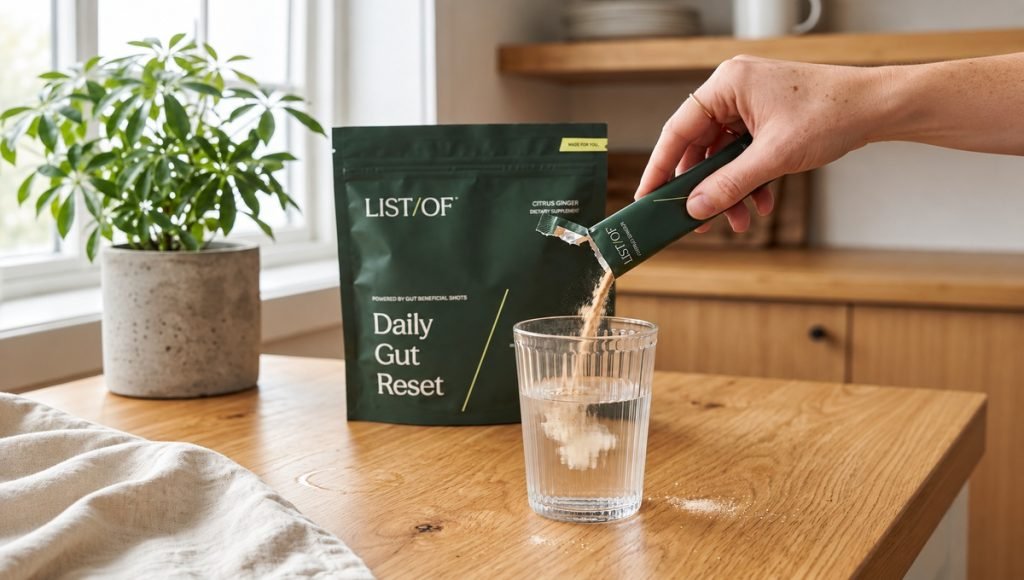
At bemain studio, we developed the brand identity, packaging, and website around a consistent visual direction. Clear typography, restrained colors, and organized product information help communicate the brand’s positioning. The website extends this approach through accessible ingredient explanations and product education. LIST/OF demonstrates how a specialized wellness product can become easier to understand through thoughtful startup branding and consistent messaging.
Five Stems: Creating a Distinctive Food Brand Identity
Five Stems is a superfood protein smoothie brand focused on wholesome ingredients and everyday nutrition. Entering the competitive functional food category required an identity that could communicate nutritional benefits while making different flavors easy to recognize. The goal was to create a strong brand identity that felt fresh, approachable, and consistent across the entire product range.
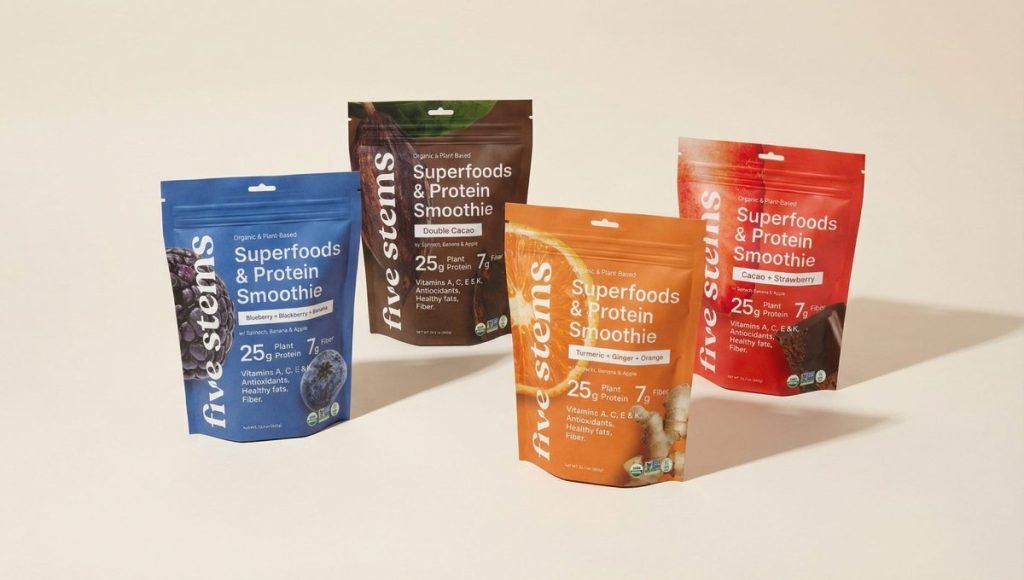
Our startup branding approach combined vibrant colors, ingredient-focused imagery, and clear typography within a flexible packaging system. Each smoothie flavor has a distinctive appearance while following the same visual rules. This makes the brand easier to recognize across multiple products and provides a practical foundation for future extensions, retail presentation, and marketing campaigns.
OiWhite: Branding for a New Generation of Oral Care
OiWhite is a Brazilian oral care brand offering vegan teeth whitening strips for a younger, digitally connected audience. The oral care market often relies on clinical-looking packaging, so OiWhite needed a visual identity that communicated credibility while feeling modern and approachable. Its brand positioning focused on creating a distinctive personality without making the product difficult to understand.
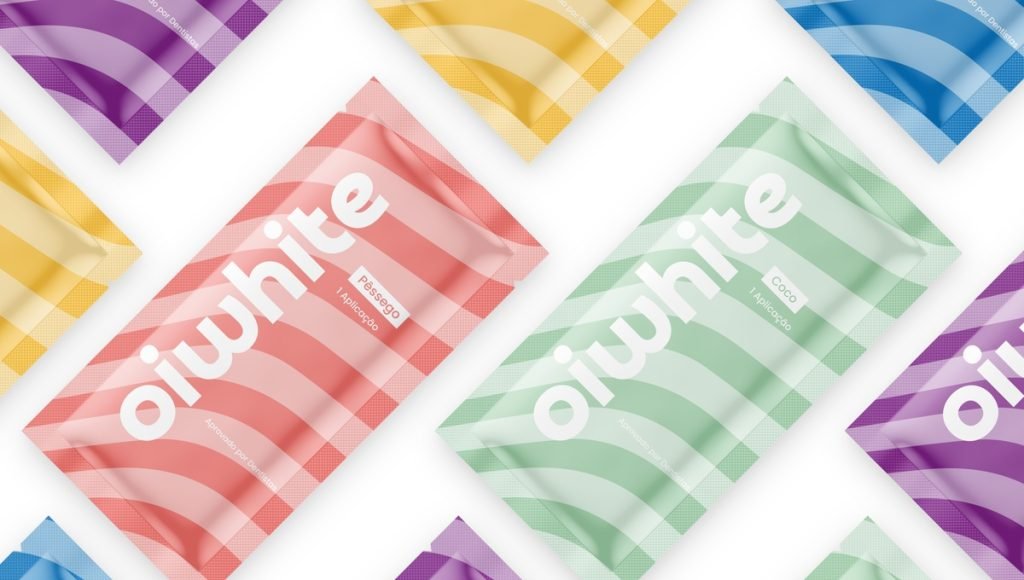
At bemain studio, we created a brand identity and packaging system featuring bold typography, vibrant colors, and flexible graphic elements. The visual identity extends into digital marketing applications, giving the brand a consistent personality across different customer touchpoints. OiWhite shows how branding for startups can differentiate a consumer product while reflecting the preferences of a specific target audience.
The Startup Branding Process: From Strategy to Launch
A successful startup branding process begins with understanding the product, its customers, and the position it should occupy in the market. At bemain studio, we connect research, brand strategy, identity development, and practical design applications so founders can launch with a coherent brand rather than disconnected visual assets.

For CPG startups, this process also involves aligning the brand’s purpose, target audience, and value proposition with its packaging and marketing strategy. By defining these foundations early, founders can make more informed creative decisions, maintain consistency across customer touchpoints, and build a recognizable identity that supports future product launches and long-term growth.
1. Define Brand Purpose, Strategy and Positioning
The first stage establishes the company’s mission, brand purpose, target audience, and value proposition. Market research and competitor analysis help identify how similar products are positioned and where a startup has an opportunity to stand apart. This work also helps founders understand customer expectations and evaluate whether the product’s benefits are clearly communicated.
Strong brand positioning gives customers a specific reason to consider a product. For early-stage startups, it is important to define a focused position instead of trying to appeal to everyone. A clear mission statement, brand values, and business strategy provide direction for future branding decisions. Branding can support product-market fit by making the offer easier to understand, but it cannot replace the need for a product that meets genuine customer demand.
2. Build Brand Identity and Messaging
Once the strategy is established, the next step is creating a brand identity that expresses the company’s personality. This includes visual elements such as typography, a colour palette, imagery, and supporting graphics. The goal is to develop a unique identity that communicates the brand’s values and connects with its intended customers.
Brand messaging translates the strategy into language customers understand. A clear brand voice should guide packaging copy, website copy, taglines, and social media communication. Whether the brand sounds playful, reassuring, or premium, its messaging should reinforce the same value proposition. Customer feedback can help refine the brand narrative and identify messages that need more clarity before launch.
3. Apply the Brand Across Packaging and Launch Assets
The final stage of the startup branding process involves applying the strategy and identity to real customer touchpoints. For CPG products, packaging is a priority because it must communicate the product name, benefits, and personality in a limited physical space. A consistent design system should also work across product variations, different packaging formats, and retail displays.
Websites, product imagery, and marketing materials should follow the same visual and verbal direction. This creates a connected customer experience and reduces the need to reinvent the identity for each new campaign. Our guide to brand development explains how these strategic and creative decisions form a broader foundation for long-term growth.
Building Brand Identity, Personality and Brand Voice
For CPG startups, a strong brand identity needs to communicate more than an attractive appearance. The visual identity should reflect the brand’s mission, personality, and market positioning while making the product recognizable. Typography, colors, imagery, and supporting design elements should work as one system. These decisions help a startup maintain a consistent appearance across packaging, websites, and advertising without making every application identical.
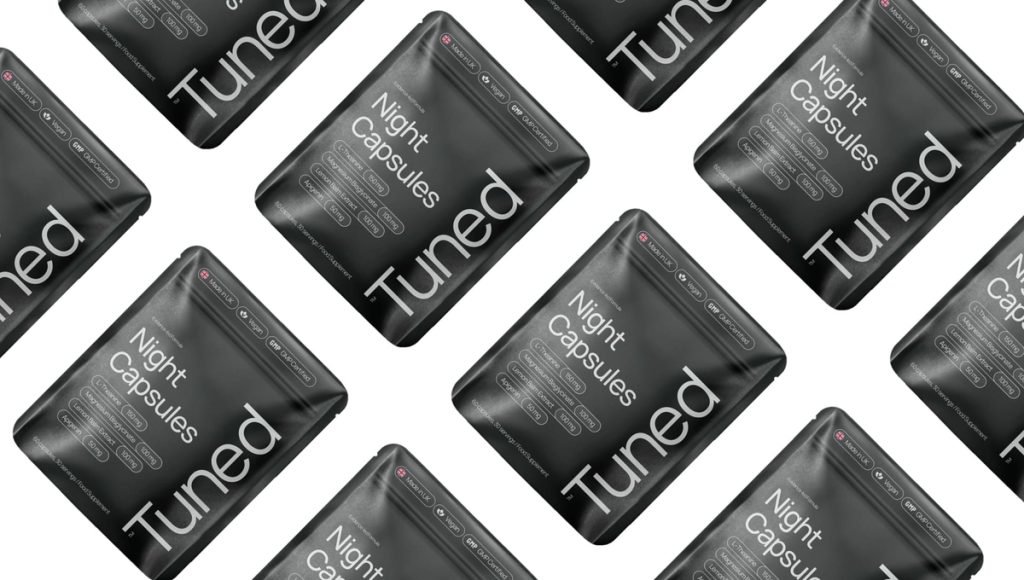
Brand personality and brand voice give that identity additional depth. A calming supplement brand may need reassuring messaging, while a functional snack startup might benefit from a more energetic tone. A compelling story can explain the product’s purpose and the founder’s motivation, but it should remain connected to real customer needs. Consistent brand messaging across packaging, website content, and marketing campaigns supports recognition and helps build trust over time. Our brand identity design guide explores these visual and verbal elements in greater detail.
Connecting Startup Branding With Packaging and Digital Marketing
In CPG, branding becomes tangible through product packaging. The layout, color scheme, typography, imagery, and product information should express the same brand strategy while remaining practical for retail and e-commerce. Packaging should help consumers understand what the product offers at first glance. For startups entering a crowded market, a recognizable package can play an important role in building recognition and encouraging customers to explore the product.
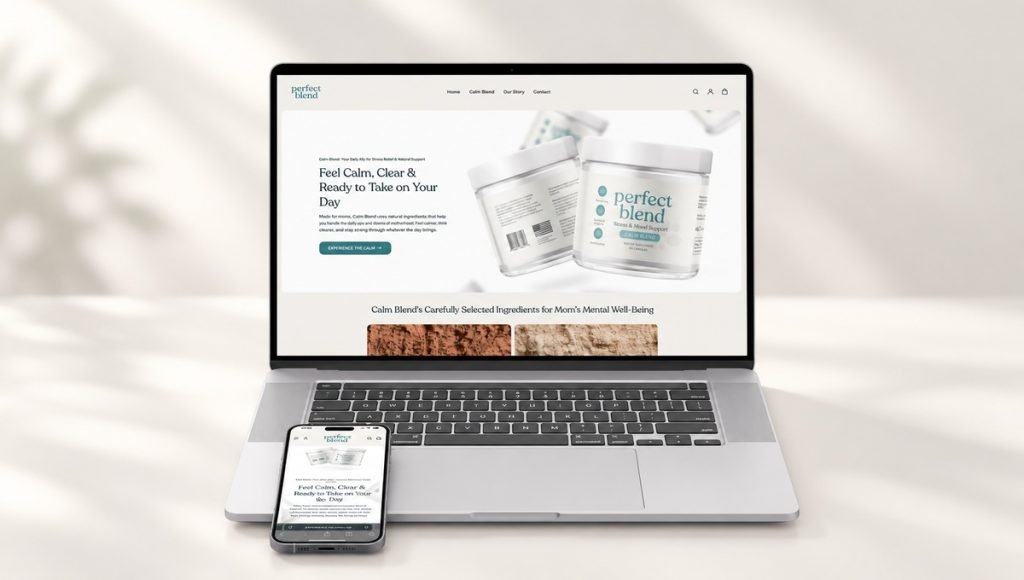
A startup’s marketing strategy should carry the same identity into its website, product pages, social media, and advertising. Consistent branding helps customers recognize the company as they move between physical and digital channels. This is especially useful for direct-to-consumer startups that rely on both packaging and online experiences to communicate their brand story. At bemain studio, we develop connected visual systems rather than treating every marketing application as an unrelated design project.
Brand Guidelines for Early-Stage CPG Startups
Brand guidelines help founders maintain consistency after the initial identity is created. A practical brand book may document typography, colour palette, image style, visual hierarchy, and brand voice. These rules make it easier for internal teams, packaging suppliers, and marketing partners to create new materials without losing the established direction. For early-stage startups, the aim is to create guidelines that are useful and manageable, not an unnecessarily complicated manual.
As a business introduces more products, flavors, and marketing channels, maintaining a consistent identity becomes increasingly important. Well-defined brand guidelines allow a startup to expand while preserving the design elements customers already recognize. They also help reduce inconsistent decisions when more people become involved in creating packaging, websites, and marketing materials. This supports a stronger brand experience and can contribute to brand recognition and customer loyalty over time.
Common CPG Startup Branding Mistakes to Avoid
One common mistake is developing a logo and visual style before defining the brand strategy. A new brand may look attractive while failing to explain its purpose, target audience, or value proposition. Another mistake is creating packaging and websites separately, resulting in inconsistent messaging and visual elements. Successful branding for startups starts with a clear understanding of the product and its ideal customers, then uses design to communicate that positioning consistently.
Startups can also make the process unnecessarily expensive by trying to build every marketing asset before validating their offer. A focused identity, packaging system, essential website content, and clear brand guidelines may provide a more practical starting point. Funded startups preparing for larger retail launches may require more comprehensive branding services, while smaller businesses can prioritize their most important touchpoints first. The goal is to build a strong foundation that can evolve as the company grows rather than relying on short-lived trends or repeatedly replacing the entire identity.
Ready to Build Your CPG Startup Brand?
Building a successful CPG brand requires more than a promising product idea. Clear positioning, a recognizable visual identity, effective packaging, and consistent brand messaging help founders present their products with confidence. Whether a company is preparing for its first launch or developing a broader product range, the right branding approach should support its business goals and communicate clearly with potential customers.
At bemain studio, we provide branding services for food, beverage, wellness, supplement, and personal care businesses. As a CPG-focused branding agency, we connect strategy, identity, packaging, and digital design into a cohesive launch-ready system. If you’re looking for a startup branding agency that understands consumer products, share your project with our team to discuss the right scope and next steps.
Frequently Asked Questions About Branding for CPG Startups
What Does Branding for Startups Include?
Branding for startups typically includes brand strategy, positioning, visual identity, brand voice, messaging, and brand guidelines. For CPG startups, packaging design and digital applications are especially important because they connect the product with customers across retail and online channels.
When Should a CPG Startup Invest in Branding?
Founders should begin defining their brand purpose, target audience, and positioning during the early stages of product development. A more complete visual identity and packaging system should be developed before the product launch, with enough time for testing, revisions, and production preparation.
Why Is Brand Identity Important for CPG Startups?
A strong brand identity helps products become recognizable, communicate their value, and maintain consistency across customer touchpoints. For consumer products, this is particularly important when different brands compete for attention on store shelves and online marketplaces.
How Can a Startup Branding Agency Help a New CPG Brand?
A specialized startup branding agency can help founders define brand positioning, develop a visual identity, establish brand messaging, and create packaging and digital materials. Professional branding services provide a more coordinated approach to product launches and help build a consistent foundation for future growth.