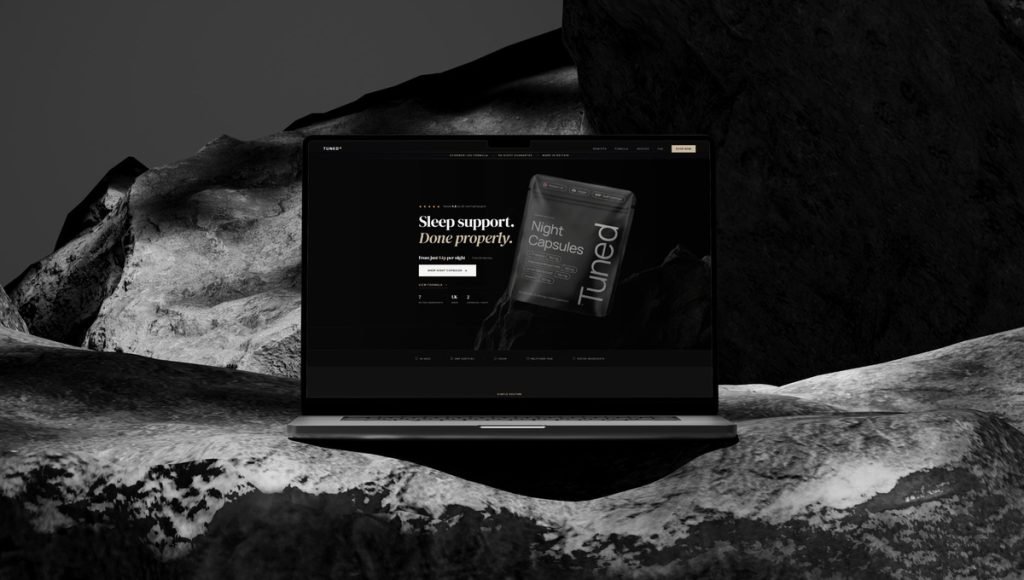
Ecommerce product page design is about more than displaying a product and adding an Add to Cart button. For CPG brands, an effective page brings together product images, descriptions, pricing, and purchasing options while reinforcing a recognizable brand identity. When those elements compete for attention, shoppers may struggle to understand what makes a product worth buying.
At Bemain Studio, we see product pages as an extension of the brand experience. This guide examines common design mistakes, practical UX principles, and lessons from our work with Primal Sweets, Brown Body Reset, and LIST/OF. The focus is on helping food, wellness, and personal care brands present products clearly and make the shopping experience easier to navigate.
What Is Ecommerce Product Page Design?
A product page is where someone evaluates an item on an e-commerce website and decides whether to buy it. Its design organizes visuals, information, and purchasing controls into a clear experience. Customers should be able to understand the benefits, check the price and availability, and select the right option without searching elsewhere on the website. Effective ecommerce product page design brings these elements together to create a smoother shopping experience and help customers make confident purchasing decisions.
For a CPG brand, this means balancing visual identity with practical information such as ingredients, usage, package size, and product variations. Good UX design gives those details a clear hierarchy, whether someone visits from a social post, browses on a phone, or wants to compare products before making a purchase. The layout should answer questions in the order a shopper is likely to ask them.
Real Ecommerce Product Page Examples From Our CPG Projects
We believe the strongest product pages connect the physical product with the digital experience. Our branding, packaging, and website projects offer useful examples of how that connection can work. Each brand below presents a different product communication challenge. These examples highlight how thoughtful visual design, clear product information, and consistent branding can help customers make more confident purchasing decisions.
Primal Sweets: Connecting Packaging With Shopify Product Pages
For Primal Sweets, a protein marshmallow brand, Bemain Studio worked on the visual identity, packaging, and Shopify website. The packaging uses distinctive flavor colors and appetizing product imagery to communicate both the treat-like appeal and the product’s nutritional positioning. Carrying these visual elements into the ecommerce product pages helps create a consistent brand experience while making different flavors easier for customers to recognize and explore.
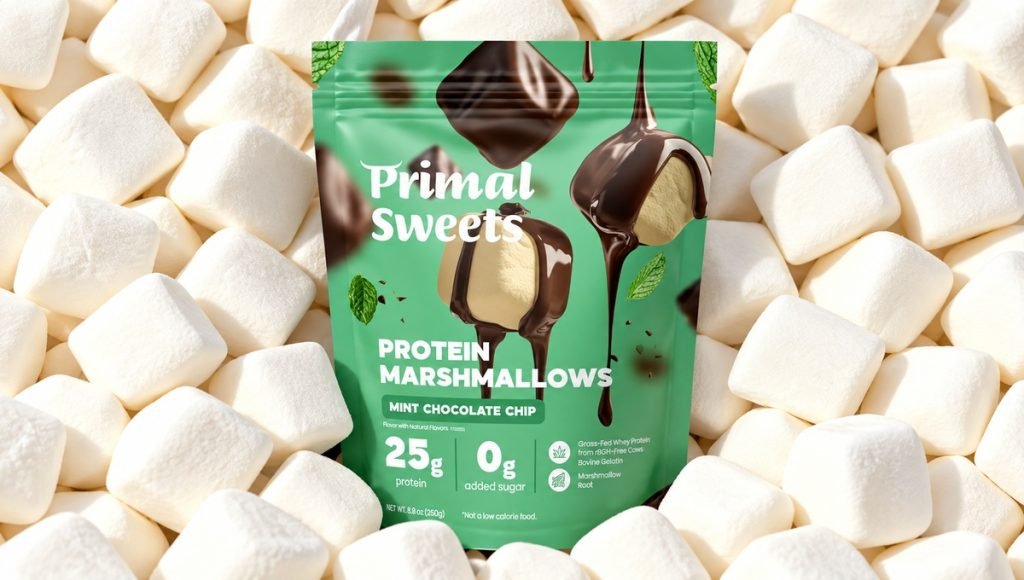
That identity provides a useful foundation for ecommerce product pages. Shoppers should be able to distinguish flavors immediately, view the marshmallows beyond the pouch, and understand the product’s protein content and other relevant details. A product gallery and concise descriptions should support the same message as the packaging rather than introduce a competing visual style.
Brown Body Reset: Making Supplement Product Details Clear
Brown Body Reset has two supplement products, AM Recharge and PM Restore, with different roles in a daily routine. Bemain Studio’s branding, packaging, and website work illustrates why clear product differentiation matters when an online store offers related products with distinct purposes.
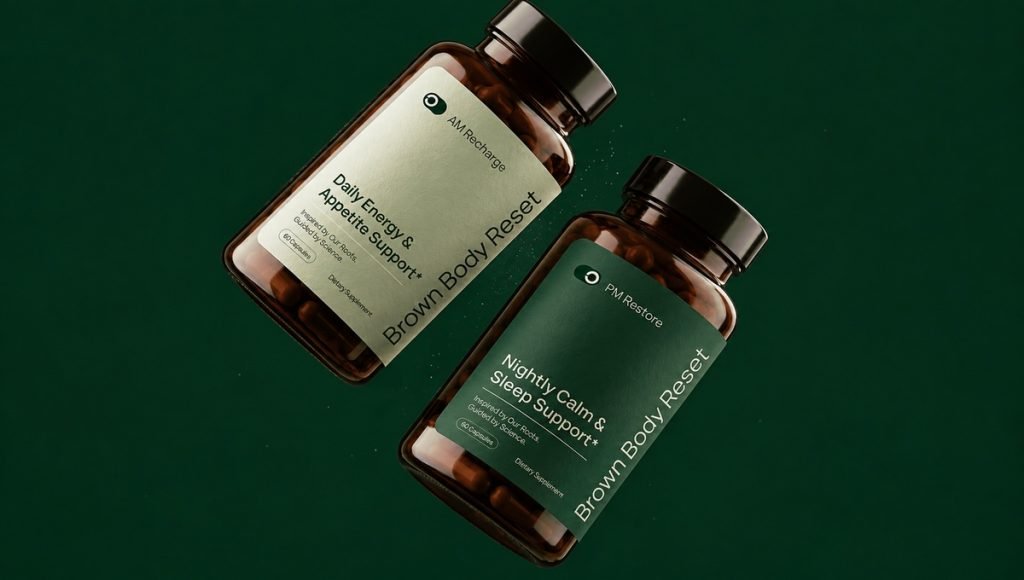
On a supplement product page, we would prioritize the name and intended use, followed by ingredients, directions, and purchasing details. Buyers should be able to compare the AM and PM options without confusing their benefits. Consistent typography and imagery help shoppers distinguish related products while preserving brand recognition.
LIST/OF: Presenting Product Benefits and Purchase Options
LIST/OF is a gut health supplement brand for which Bemain Studio developed branding, packaging, and website design. Its individual stick-pack format creates a particular challenge: the online presentation needs to show both the outer packaging and what customers will actually use. Clear product images and a consistent visual identity help shoppers understand the format, recognize the brand, and see how the supplement fits into their daily routine.
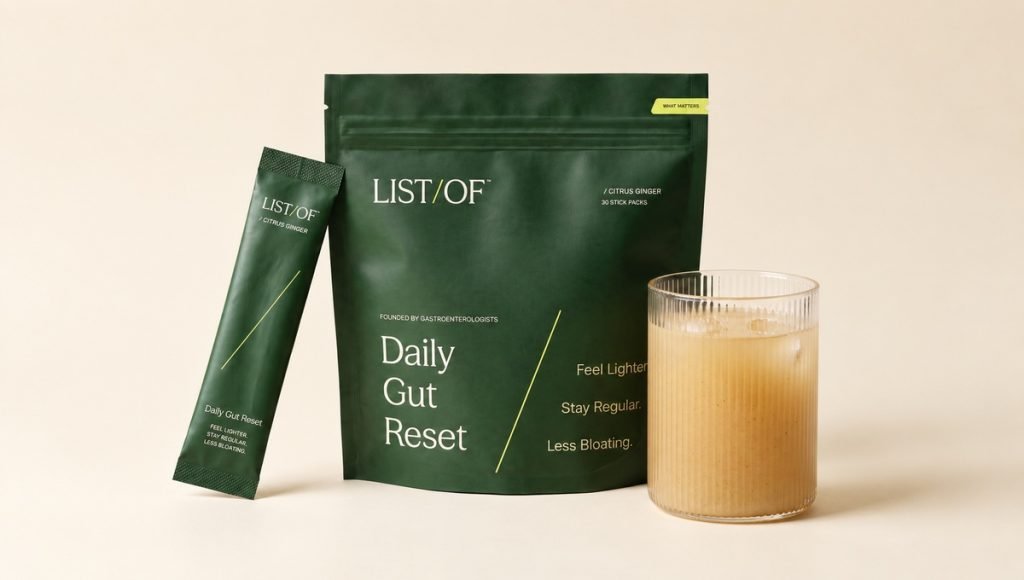
For this type of product, useful images should clarify the format and quantity, while concise product descriptions explain the intended routine and relevant details. If one-time purchases and subscriptions are offered, the price and differences between those options should be easy to understand. The aim is not to display everything at once, but to answer the shopper’s next question in a logical order.
Why Most Ecommerce Product Pages Fail to Communicate Value
Many product pages look polished but leave basic questions unanswered. A hero image might show beautiful packaging without revealing the product inside. A catchy headline might not explain ingredients, serving size, or intended use. Key product features deserve more attention than decorative claims. Attractive graphic design alone cannot answer those questions.
Another common problem is treating every item like it belongs in the same generic store template. Dense descriptions, inconsistent photos, hard-to-find prices, and competing calls to action create friction. For CPG brands, we would fix the information hierarchy first: show the item, explain its value, clarify variations, and keep the purchase path obvious. Useful information matters more than marketing fluff.
Essential Elements of Effective Product Page Design
Strong product page design combines clear visuals with the information buyers need. Quality photography, useful descriptions, transparent pricing, customer reviews, and accessible purchase buttons all play a role. As explained in our health and wellness website design guide, a clear layout helps shoppers find information and make confident purchasing decisions.
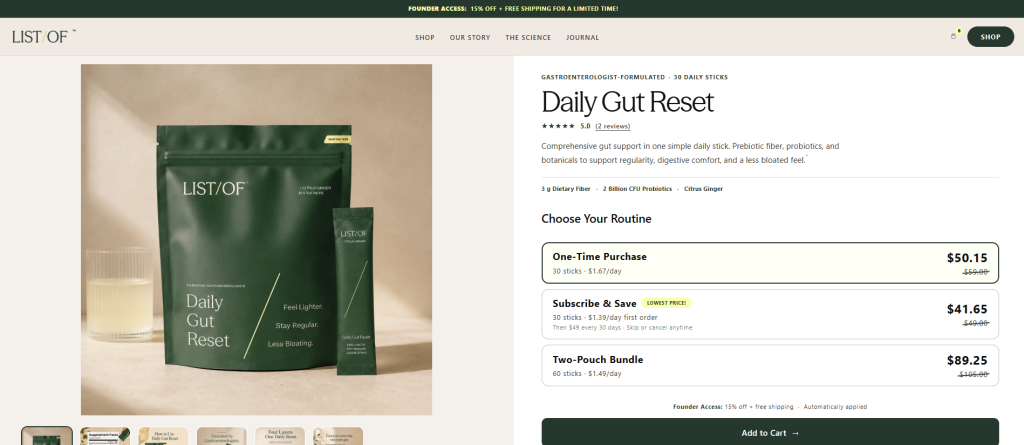
For brands selling multiple flavors, sizes, or bundles, e-commerce product pages should display differences clearly so customers can compare products without losing their place. Balanced white space, consistent typography, and a predictable order of information create useful context. The best examples make features easy to scan rather than forcing visitors to hunt for them.
Product Images That Show More Than the Packaging
Product images should answer questions text cannot. For a snack brand, that might mean showing texture, portion size, and the snack outside its wrapper. For a supplement brand, it could mean a readable label, individual servings, or a photo of the product in use. Close-up photos reveal details, while multiple photos offer context beyond a polished packshot.
We would display a clear primary image, followed by close-ups and relevant lifestyle photography. Consistent lighting and image quality make the presentation feel cohesive, while detailed photos let customers inspect what they will receive. Short videos can be helpful when they show real product use, but video should not replace clear still images or slow down the page.
Product Descriptions, Pricing, and Variations
Effective product descriptions explain benefits in plain language and make supporting information easy to scan. For CPG products, that may include ingredients, directions, quantity, materials, storage information, and other category-specific details. Helpful headings and short sections separate the most important facts from secondary specifications, so readers do not face a wall of copy.
The price, stock availability, and selected product variation should be visible near the purchasing controls. Flavors, sizes, and bundle options need distinct labels, and unavailable choices should be clearly marked. Where possible, the page should display shipping costs or a link to the delivery policy before checkout. Clear shipping and return details help customers decide without interrupting the buying process.
Clear Add to Cart Buttons, Reviews, and Social Proof
The Add to Cart button should stand out from surrounding content and remain easy to identify near the price and selected options. Clear contrast, readable button text, and a straightforward layout make the next action obvious. Secondary links and product recommendations should not compete with the main purchase decision, particularly on a narrow screen.
Real customer reviews help buyers understand a product beyond its photos and description. For CPG brands, reviews about flavor, texture, packaging, or use may answer questions that product descriptions miss. When enough feedback exists, make reviews easy to read and include critical comments alongside positive ones. Social proof should support the decision, never imply endorsements that do not exist.
Mobile-First Ecommerce Product Page Design
A page that works on desktop may frustrate shoppers on a phone. Mobile-first ecommerce product page design prioritizes readable details, usable image galleries, labeled variations, and purchase controls. On a small screen, visitors should find the main image, price, and Add to Cart button without effort. Pages should load efficiently, especially when they include high-resolution photos.
CPG product pages must fit benefits, prices, variations, and delivery information onto a smaller screen without adding friction. We would preserve the brand identity while simplifying spacing, typography, and information order. Good UX design keeps each section focused on what the shopper needs next.
For brands with multiple products, mobile design should also make differences between flavors and variations easy to recognize. As explained in our guide to CPG branding, consistent colors, typography, and product messaging help connect packaging with the digital shopping experience.
How We Approach Product Page Design at Bemain Studio
A page that works on desktop may frustrate shoppers on a phone. Mobile-first design prioritizes readable details, usable image galleries, labeled variations, and purchase controls. On a small screen, visitors should find the main image, price, and Add to Cart button without effort. Pages should load efficiently, especially when they include high-resolution photos.
CPG product pages must fit benefits, prices, variations, and delivery information onto a smaller screen without adding friction. We would preserve the brand identity while simplifying spacing, typography, and information order. Good UX design keeps each section focused on what the shopper needs next.
For brands with multiple products, mobile design should make differences between flavors and variations easy to recognize. As explained in our guide to brand identity design, consistent colors, typography, and product messaging help maintain recognition across packaging and digital shopping experiences.
Ready to Improve Your Ecommerce Product Page?
Your product page should do more than look attractive. It should explain what makes your product different, answer common questions, and give shoppers a clear next step. From photography and product descriptions to mobile layouts and purchasing options, every design choice should support that experience.
At Bemain Studio, we help CPG brands connect branding, packaging, and ecommerce design into a cohesive presentation. If you are launching a product or improving an existing online store, get in touch with our team to discuss a product page that better reflects your brand.
Frequently Asked Questions About Product Page Design
What Makes a Good Ecommerce Product Page?
A good ecommerce product page combines clear images, concise product descriptions, visible pricing, useful customer reviews when available, and a straightforward way to purchase. It helps shoppers understand a product’s value, compare options, and find practical information such as availability and shipping without unnecessary distractions.
How Important Are Product Images on Ecommerce Pages?
Product images help customers assess items they cannot examine in person. Clear photos of packaging, contents, details, and real-life use can communicate size, texture, and presentation more effectively than descriptions alone.
How Does Product Page Design Affect Customer Experience?
Effective product page design organizes information so shoppers can move through the purchasing process with confidence. Consistent branding, mobile-friendly layouts, clear purchase options, and accessible reviews make a website easier to understand. Good design supports the customer journey rather than drawing attention away from the product.