Brand identity design begins with understanding your business, target audience, and what makes your brand different. Before choosing visual elements or working with a brand identity designer, you need a clear direction for your brand strategy, personality, and communication. Answering the right questions early helps create a strong brand identity that reflects your business goals and connects with potential customers.
At bemain studio, we help consumer brands develop distinctive visual identities across packaging, websites, and marketing materials. This guide covers six essential questions to answer before starting a brand identity design project, from defining your brand story to preparing a clear creative brief. We’ll also explore three real bemain studio projects that demonstrate how thoughtful preparation supports consistent branding.
Why Brand Strategy Matters Before Brand Identity Design
A clear brand strategy gives your identity design project direction before visual decisions begin. It defines your positioning, brand values, target audience, and the message your business wants to communicate. Without this foundation, even attractive visual branding can feel disconnected from what the company offers and what customers expect.
For consumer brands, these decisions influence everything from packaging and website design to product messaging. Establishing a clear strategy early helps the brand identity designer understand your goals and develop a strong brand identity that supports recognition and brand trust. It also ensures your brand’s visual identity reflects the company’s positioning across different applications.
6 Questions to Answer Before Starting Your Brand Identity Design Project
Before creating a new brand identity, it’s important to clarify the decisions that will guide the creative process. These six questions help business owners define their goals, understand customer expectations, and prepare the information a design studio needs to develop a distinct visual identity that reflects their brand’s personality and values.
1. Who Is Your Ideal Customer?
Before starting brand identity design, define who your products are intended for and what influences their purchasing decisions. Consider your audience’s lifestyle, preferences, needs, expectations, and pain points. A wellness brand targeting busy professionals may require a different visual identity and communication style than a functional snack brand appealing to younger consumers.
Understanding your ideal customers helps shape meaningful design decisions, from typography and color palette to packaging and brand messaging. Rather than following industry trends, focus on creating a clearly defined brand identity that reflects your audience’s priorities while maintaining a distinctive brand personality and making a lasting impression.
2. What Makes Your Brand Different From Competitors?
Before developing your brand identity, identify what makes your business and products distinct within your industry. Consider your product benefits, brand values, positioning, and the specific problems you solve for customers. A strong brand identity should communicate these differences through clear messaging rather than relying on visual trends that competitors already use.
For example, a supplement brand might emphasize ingredient transparency, while a premium food brand could focus on product quality and craftsmanship. These distinctions guide your brand elements, messaging, and visual direction. They also help create a recognizable brand image that represents your unique value instead of blending into the category.
3. What Brand Story, Personality, and Voice Fit Your Audience?
Your brand story should explain why your business exists, what it stands for, and how its products connect with customers. Before starting brand identity design, define the values and motivations behind your brand. A clear story helps establish a distinct personality and gives your visual identity a meaningful direction.
Your brand voice should reflect that personality across packaging, website content, and marketing materials. For example, a science-focused wellness brand may use informative, reassuring language, while a playful snack brand might communicate with more energy and humor. A clear brand voice and consistent verbal identity help shape the brand image customers associate with your business.
4. Where Will Your Brand Identity Be Used?
Before starting your brand identity design project, identify where customers will encounter your brand. Consider product packaging, ecommerce websites, social media, retail displays, and marketing materials. Each application has different design requirements, so your visual identity should remain recognizable across various formats and sizes.
For example, packaging may require a clear information hierarchy, while digital platforms need adaptable graphic elements and readable typography. These tangible elements of your brand identity should work together rather than appear disconnected. Discussing their applications with your designer early helps establish a flexible design system that supports consistent visual branding.
5. What Brand Assets and Design Deliverables Do You Need?
Before starting your brand identity design project, review any existing brand elements and determine what needs to be created or updated. These may include typography, color palettes, packaging graphics, photography style, digital assets, and logo design. Identifying your current materials helps the design team understand what can be retained and what requires a new direction.
Next, define the key elements and deliverables your business needs for launch. A brand style guide, consistent color palette, graphic elements, and clear brand guidelines help maintain consistency across packaging, websites, and marketing materials. Documenting these requirements early helps avoid missing assets and unnecessary revisions.
6. What Are Your Timeline and Approval Priorities?
Before beginning your brand identity design project, establish a realistic timeline for creative development, feedback, and final approvals. Consider important business milestones, such as product launches, packaging production, or website releases. Sharing these deadlines with your design studio helps organize the process and prioritize essential deliverables.
It’s equally important to determine who will review and approve creative decisions. Clear responsibilities, consolidated feedback, and agreed approval stages help prevent unnecessary revisions. Preparing these details early allows your brand identity designer to work efficiently while keeping the final design aligned with your business goals.
3 Real Brand Identity Design Case Studies From bemain studio
Preparing for a brand identity design project becomes easier when you can see how strategic decisions translate into real creative work. The following three bemain studio case studies show how understanding the audience, brand personality, and intended applications helps shape a consistent identity across consumer products, packaging, and digital experiences.
1. LIST/OF: Creating Clarity for a Gut Health Brand
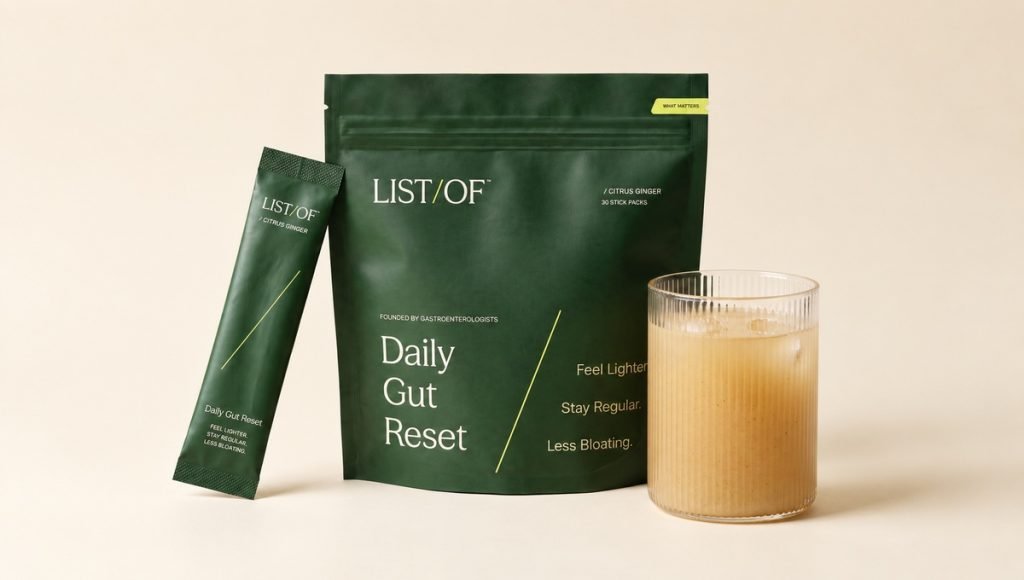
LIST/OF is a doctor-founded gut health brand offering Daily Gut Reset, a wellness supplement focused on digestive health. The brand needed a clear identity that could communicate its science-informed positioning while remaining approachable to everyday consumers. Establishing the right visual direction was essential for presenting complex product information without overwhelming customers.
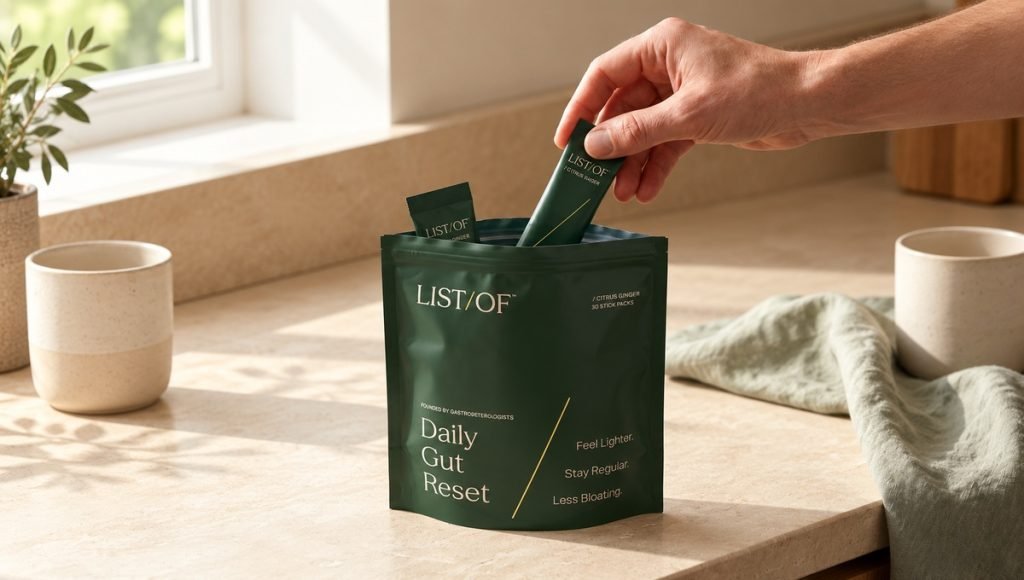
bemain studio developed a cohesive digital experience using bold typography, deep green visuals, and structured product messaging. The website design emphasizes clarity and accessibility, helping customers understand the product while maintaining a recognizable brand personality across digital touchpoints.
This project demonstrates how thoughtful preparation supports effective brand identity design. Defining the audience, product positioning, and communication priorities before creative development helps create a consistent experience that connects visual branding with customer understanding.
2. Primal Sweets: Connecting Brand Personality With Packaging
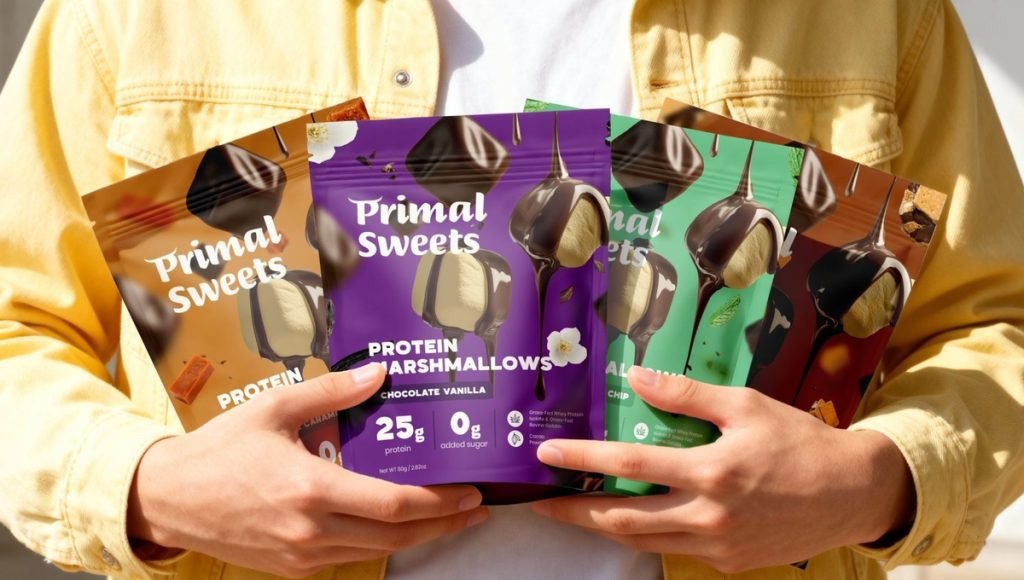
Primal Sweets is a functional snack brand offering high-protein marshmallows in playful flavors. The challenge was to create a distinctive brand identity that communicated the product’s fun personality while making its nutritional positioning clear. Understanding the intended customers and retail experience helped establish the direction for its visual presentation.
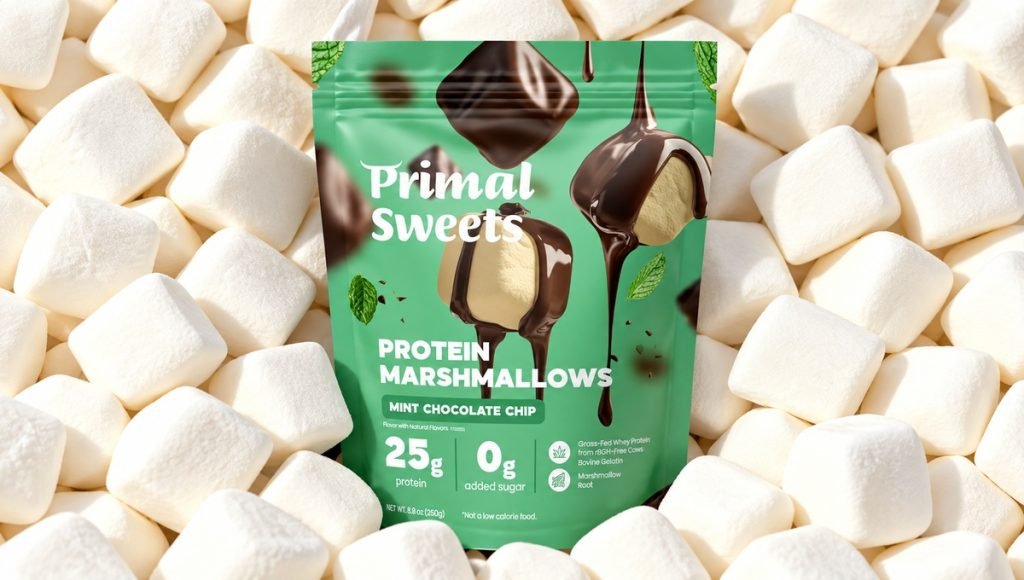
bemain studio refreshed the brand’s packaging and designed its Shopify website, using vibrant colors, expressive typography, and appetizing product imagery. These elements work together to create a recognizable identity across physical packaging and digital storefronts while helping customers distinguish different flavors.
This project shows why defining brand personality and design applications before development matters. By connecting product positioning with packaging and ecommerce requirements, Primal Sweets demonstrates how a strong brand identity can support recognition across multiple customer touchpoints.
3. Perfect Blend Nutrition: Building a Consistent Wellness Identity
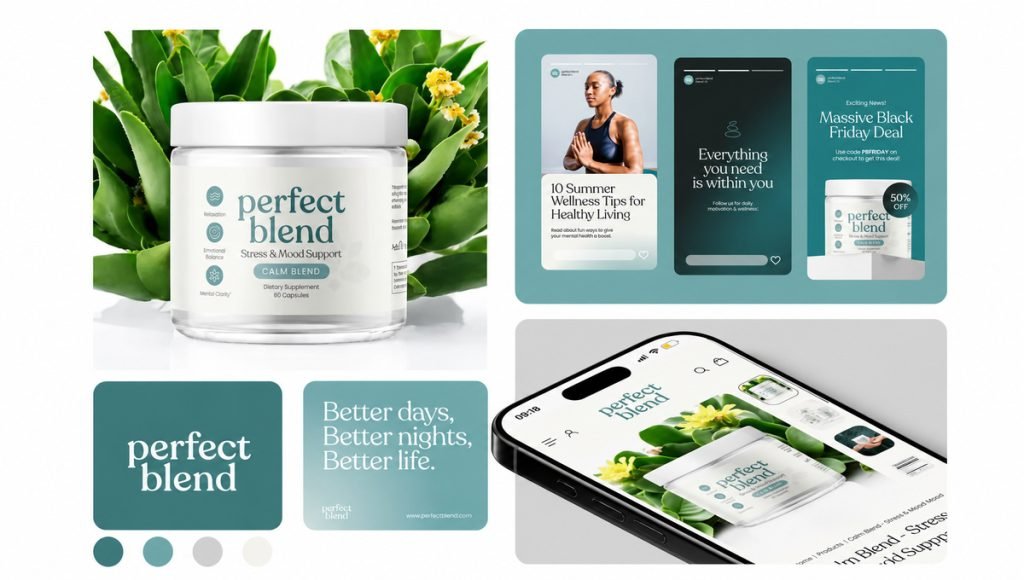
Perfect Blend Nutrition is a wellness supplement brand offering Calm Blend, a product positioned around stress and mood support for parents. The brand needed an approachable identity that reflected its calming purpose while communicating product information clearly. Understanding its audience and intended applications helped shape the creative direction.

bemain studio developed the brand identity, packaging design, iconography, and website experience using soft teal colors, clean typography, and nature-inspired visuals. These elements create a consistent presentation across supplement packaging, digital platforms, and marketing materials while maintaining a recognizable brand personality.
This project highlights the importance of defining creative requirements before starting brand identity design. When packaging, website needs, and customer communication are considered together, the resulting visual system can support a cohesive brand experience across different touchpoints.
How to Turn Your Brand Goals Into a Clear Creative Brief
A creative brief translates your business goals into practical requirements for the design team. Start by documenting your audience, brand values, product positioning, desired brand personality, and the first impression you want to create. Our brand identity design guide explores the strategic foundations that help shape these decisions. Include relevant visual references, packaging requirements, website applications, and messaging priorities.
A useful brief should also identify the key elements of your marketing strategy, essential design deliverables, project deadlines, and approval responsibilities. Rather than prescribing every creative detail, explain what your brand needs to communicate and where its identity will appear. This gives your brand identity designer enough direction to develop thoughtful solutions while maintaining creative flexibility.
What to Review in Your Brand Identity and Brand Guidelines
Before approving your brand identity, compare the proposed designs with the goals outlined in your creative brief. The brand development process should include reviewing typography, colors, imagery, and messaging to ensure they reflect your audience and brand personality. Test these elements across real applications, including packaging, websites, and marketing materials, rather than evaluating individual designs in isolation.
Your brand guidelines should clearly document the approved logo, color palette, typography, graphic elements, photography style, and brand voice. Check that the brand style guide provides practical instructions for maintaining consistency across different formats. When these brand elements are applied consistently, they help reinforce recognition and support a coherent brand image as the business grows.
When to Work With a Brand Identity Designer
Working with a brand identity designer is valuable when your business needs a consistent identity across products, packaging, and digital platforms. Our branding for startups guide explains why establishing a clear direction early matters. Involving a design studio before launch helps align creative decisions with your brand strategy and business goals.
Before choosing a creative partner, review their experience, case studies, and ability to translate brand values into practical design solutions. A suitable designer should understand your audience, industry, and required applications, rather than focusing only on individual graphic elements. This helps create a strong brand identity that supports recognition and future business growth.
Ready to Start Your Brand Identity Design Project?
A successful brand identity design project begins with clear goals, thoughtful preparation, and a shared understanding of your audience. Defining your positioning, brand personality, visual requirements, and creative priorities early helps establish a strong foundation for an identity that reflects your business and connects with customers.
At bemain studio, we help consumer brands develop distinctive visual identities across packaging, websites, and digital experiences. Whether you’re launching a new product or preparing to strengthen an existing brand, our team can help translate your goals into a cohesive identity that supports brand recognition and helps increase brand awareness over time.
Frequently Asked Questions About Brand Identity Design
What Should I Prepare Before Starting a Brand Identity Project?
Before starting brand identity design, define your target audience, business goals, brand values, and product positioning. Gather existing brand assets, relevant visual references, and packaging or website requirements. These details help your design team understand your expectations and establish a clear creative direction.
Do I Need a Brand Strategy Before Identity Design?
Yes, having a clear brand strategy helps guide the identity design process. Start by defining your positioning, audience, brand personality, and core messaging before visual development begins. This foundation allows designers to create an identity that reflects your business rather than relying solely on aesthetic preferences.
What Should Be Included in Brand Guidelines?
Brand guidelines should document the key elements of your visual and verbal identity, including your approved color palette, typography, imagery style, and brand voice. They should also explain how these elements represent your brand values and how to apply them consistently across packaging, websites, and marketing materials.
How Can I Evaluate My Brand Identity Before Launch?
Review your brand identity against the goals established in your creative brief. Test its readability, consistency, and visual impact across real applications, including packaging and digital platforms. Gathering feedback from relevant audiences can also help identify improvements before final approval.