A strong brand starts with a clear foundation that guides how it grows and communicates. Brand development is the process of building, strengthening, and evolving a brand over time. It connects research, positioning, strategy, messaging, visual identity, and customer experience to create a brand that people can understand, recognize, and remember.
Effective brand development goes beyond designing a logo or selecting a color palette. It provides direction for how a business positions itself, communicates with its target audience, protects existing brand equity, and creates consistent experiences across packaging, websites, marketing, and other customer touchpoints.
What Is Brand Development?
Brand development is a strategic and ongoing process used to define what a brand represents, how it is positioned, and how it communicates that position to its audience. It brings together business goals, customer needs, brand strategy, messaging, identity, and experience so each part of the brand supports the same overall direction.
For an existing business, brand development does not necessarily mean starting again. It can involve refining positioning, strengthening the brand story, developing clearer brand assets, improving tone of voice, or creating a more flexible identity system. A complete brand development process typically moves from research and audience understanding to strategy, brand identity development, implementation, and ongoing measurement.
As a business grows, brand development also helps its identity and messaging scale across new products, services, markets, and customer touchpoints. The goal is to evolve the brand while maintaining consistency, protecting existing brand equity, and keeping the qualities that make it distinctive and recognizable.
Why Brand Development Matters for Growing Businesses
Brand development gives growing businesses a clear foundation for making decisions as their audience, products, services, and market presence expand. Instead of treating branding as separate design or marketing tasks, it creates a connected system built around positioning, values, personality, messaging, and the needs of the target audience.

This becomes especially important when a company launches new products, enters new markets, changes its business strategy, or reaches a wider audience. Without a flexible brand system, growth can lead to inconsistent messaging, disconnected visual expressions, and brand fragmentation across different channels.
A strong development process allows the visual identity, brand voice, website, packaging, marketing materials, and customer experience to evolve while continuing to reflect the same core direction. Over time, this consistency can strengthen brand recognition, support a positive reputation, build trust, and encourage customer loyalty.
The Brand Development Process: 7 Essential Steps
The brand development process turns research and business goals into a clear strategy that guides how a brand looks, communicates, and grows. While every business has different needs, these seven brand development steps provide a practical framework for moving from initial research and positioning to brand identity design, implementation, and a consistent, scalable brand experience.

Following a structured process also helps teams make decisions with greater clarity as the brand evolves. Instead of treating positioning, identity, messaging, and customer experience as separate tasks, each stage builds on the previous one and supports a more connected brand system.
1. Research Your Market and Target Audience
Effective brand development starts with understanding the environment in which the brand will compete. Market research for branding can reveal customer needs, buying behaviors, category trends, changing audience expectations, and gaps that existing brands may not be addressing. A brand competitor analysis can also identify opportunities for meaningful differentiation.
Knowing how to identify your target audience is equally important. Businesses should understand who they want to reach, what matters to those customers, and what influences their decisions so later choices around positioning, messaging, visual identity, and customer experience have a stronger foundation.
2. Define Your Brand Positioning
Brand positioning defines the place a business wants to occupy in the minds of its target audience. It should clarify who the brand serves, what it offers, what makes it different, and why that difference matters to customers.
A clear brand positioning strategy helps guide decisions throughout the wider brand development process. Instead of following competitors or short-term trends, the business can use its positioning as a reference when developing messaging, identity, products, packaging, and other customer-facing experiences.
3. Establish Your Mission, Vision and Core Values
A brand mission explains what the business does and the purpose it serves today, while its vision describes the direction it wants to move toward over time. Together, brand vision and mission provide an internal foundation for strategic decisions as the business develops.
Brand core values define the principles that should guide how the business operates and communicates. When the brand mission and values align with its positioning, they create a clearer and more authentic direction that internal teams can understand and apply as the company grows.
4. Develop Your Brand Strategy
Brand strategy development brings research, audience insights, positioning, mission, and values into one strategic direction. It defines how the brand should compete, communicate its value, build recognition, and create meaningful relationships with customers over time.
An effective brand development strategy can include positioning, personality, a unique selling proposition, messaging priorities, voice, and principles for delivering a consistent experience. It can also guide the wider marketing strategy by clarifying who the brand is speaking to, what it should communicate, and how that message should adapt across different channels.
5. Create Your Brand Identity
Brand identity development translates strategy into recognizable verbal and visual elements. The brand identity design process can include the logo, color palette, typography, imagery, brand voice, messaging, and other brand assets that shape how people recognize and experience the business.
A strong brand identity should reflect the positioning and personality established earlier in the branding process rather than simply following current design trends. A flexible identity system should also be able to support new products, services, campaigns, and markets without losing the characteristics that make the brand distinctive.
Clear brand guidelines can help designers, marketers, and other team members apply the system consistently. Depending on the brand, these guidelines may cover logo use, typography, color, imagery, tone of voice, layout principles, and other rules needed to maintain consistency as the business scales.
6. Build Consistent Brand Messaging and Experiences
Brand development continues beyond the visual identity. Customers form perceptions through the language a brand uses, the information it prioritizes, and the experiences it creates across its website, packaging, marketing, social media, products, and other channels.
A clear brand voice and messaging system helps these interactions feel connected. Brand consistency across channels does not require identical communication everywhere. Instead, the message can adapt to different audiences and formats while keeping the brand’s personality, values, positioning, and overall direction recognizable.
7. Launch, Measure and Evolve Your Brand
Launching the brand is not the end of the brand development process. Once the strategy and identity are in use, businesses can evaluate how customers respond, how well internal teams are applying the brand system, and where the overall experience can improve.
Feedback, brand performance metrics, customer behavior, recognition, and other relevant indicators can show what is working and where adjustments may be needed. The goal is to evolve deliberately while protecting the existing brand equity and recognizable elements customers already associate with the business.
Key Elements of a Strong Brand Development Strategy
A strong brand development strategy connects research, positioning, identity creation, and implementation. Each element should support the same direction so customers receive a clear and recognizable impression. Explore our wellness branding case study to see how branding, packaging, and web design can work together as one connected system.
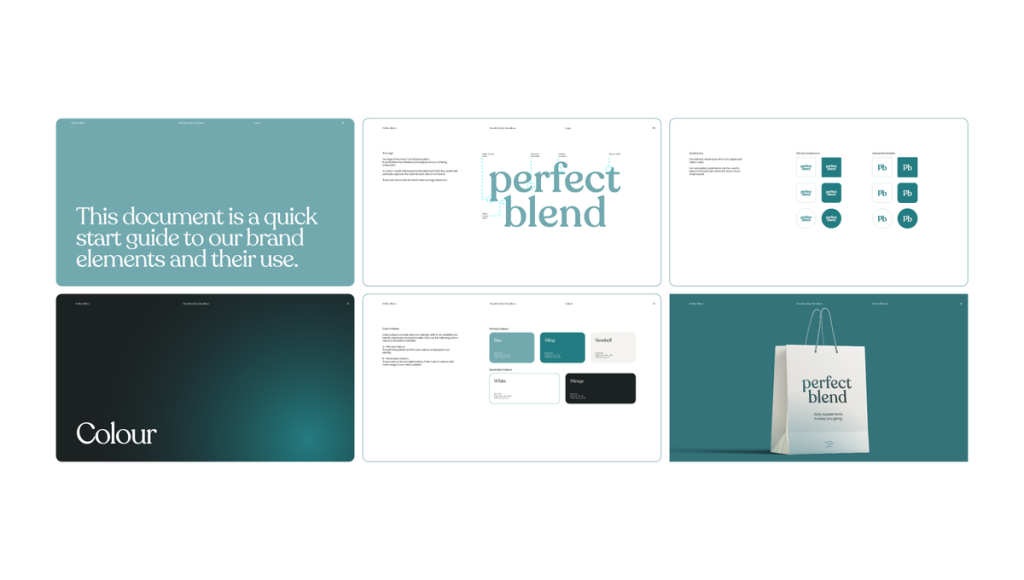
As the business expands, the strategy should provide enough structure to guide new products, markets, campaigns, and customer touchpoints without limiting flexibility. Clear positioning, personality, visual identity, messaging, and customer experience all work together to help the brand remain distinctive while adapting to new opportunities.
Clear Market Positioning
Clear positioning gives a brand a defined place within its market. It communicates who the business is for, what problem it addresses, and why customers should consider it instead of competing alternatives. As the brand develops, this positioning can guide decisions around products, messaging, design, marketing, and future expansion.
Distinct Brand Personality
Brand personality shapes how a business presents itself and the characteristics people associate with it. Whether the direction is energetic, approachable, premium, technical, or minimal, the personality should reflect the target audience and support the wider strategy.
A distinct personality also helps the brand avoid blending into a crowded marketplace. When expressed consistently through language, visuals, imagery, and customer interactions, it can make the overall experience more recognizable and memorable.
Consistent Visual Identity
Visual identity gives the strategy a recognizable form through elements such as the logo, typography, color palette, imagery, iconography, and supporting graphics. These elements should work together as a flexible visual system rather than as individual design choices.
Consistency becomes especially important when the brand appears across different platforms, products, markets, or services. A well-developed identity system can stretch into new applications while retaining enough familiar elements for people to recognize the brand.
Brand Voice and Messaging
Brand voice determines how a business communicates, while messaging defines the ideas and information it needs to communicate consistently. Together, they translate positioning, personality, values, and customer benefits into language the audience can understand.
A clear brand messaging strategy can establish priorities for website copy, product descriptions, advertising, campaigns, social content, and other communication. The wording may change between channels, but the underlying meaning and direction should remain connected.
Connected Customer Experience
Customers experience a brand through more than its identity or marketing. Websites, packaging, products, services, customer support, content, retail environments, and other interactions all contribute to how the brand is perceived.
Strong brand development connects these touchpoints instead of treating them as separate projects. When the experience consistently reflects the brand positioning and brand promise throughout the customer journey, the business can strengthen recognition and make its meaning clearer to customers.
Brand Development vs. Brand Identity
Brand development is the broader strategic process of defining, building, implementing, and evolving a brand, while brand identity is the system used to express that strategy through recognizable visual and verbal elements. In simple terms, brand development establishes the direction, while brand identity helps people see, hear, and recognize that direction in practice.
The two work together but serve different roles. Research, target audience, positioning, values, and strategy create the foundation for brand identity design decisions around logos, color, typography, imagery, voice, and messaging. Brand identity therefore becomes one part of the wider brand development process rather than the entire process itself.
This distinction is important because a strong visual identity cannot compensate for unclear positioning or weak strategy. Brand development provides the strategic foundation that helps identity, messaging, and customer experience work together consistently as the business grows.
How Brand Development Works Across Key Brand Touchpoints
Brand development becomes visible when strategy is applied consistently across the places where customers interact with a business. Each touchpoint has a different purpose, but positioning, identity, messaging, and overall direction should connect them into one recognizable experience. For product-based businesses, a strong consumer brand strategy can help maintain that consistency across packaging, retail, e-commerce, and digital channels.
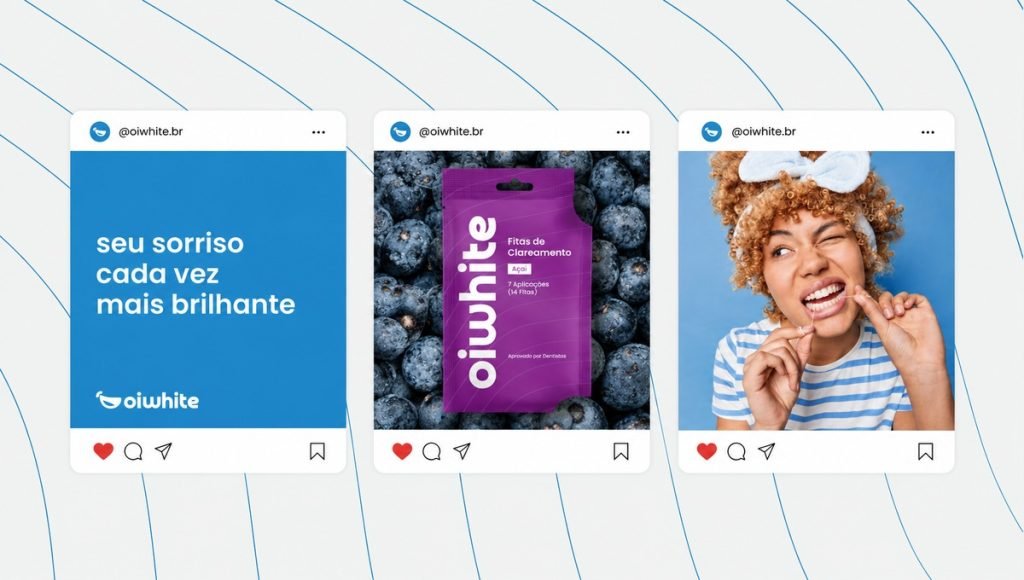
When these touchpoints are developed as part of the same brand system, customers are more likely to experience the business consistently whether they encounter it through packaging, a website, social media, advertising, or another channel. This connection helps reinforce recognition while giving the brand enough flexibility to adapt its communication to different contexts.
Packaging and Product Design
For product-based businesses, packaging is one of the most direct expressions of the brand. Structure, typography, color, imagery, product hierarchy, and messaging can communicate positioning while helping customers understand the product and how it fits within the wider range.
As more products and SKUs are introduced, a flexible packaging system can maintain recognition without making every product look identical. This allows information, formats, and visual details to change while keeping each product connected to the same identity.
Website and Digital Experiences
A website brings multiple parts of brand development together in one digital experience. Visual identity, messaging, brand voice, content, navigation, and user experience should work together to communicate what the business offers and make its positioning easy to understand. Strong website design helps turn that brand foundation into a clear and consistent digital experience.
Consistency is especially important when customers move between a website, e-commerce store, product page, email, or other digital platforms. Familiar visuals and communication make those transitions feel connected while allowing each platform to serve its own function.
Marketing and Social Media
Marketing and social media extend the brand into ongoing communication with its audience. Campaigns, advertising, educational content, email, and social posts can adapt to different formats while still reflecting the same personality, values, and messaging established during brand development.
A brand storytelling strategy can help connect individual pieces of content to a wider narrative. Instead of treating every campaign as a separate direction, businesses can use consistent principles and reusable brand assets to remain recognizable while creating fresh content for different channels and audiences.
5 Signs Your Brand May Need Further Development
Brand development often becomes necessary when a business has grown beyond the system that originally supported it. New products, audiences, markets, and channels can place pressure on an identity that was designed for a smaller or different version of the business. Some common signs that a brand may need further development include:
- Your visual identity no longer reflects the quality, positioning, or direction of the business today.
- You are launching new products, services, or entering new markets without a clear system for keeping the brand consistent.
- Internal teams struggle to explain what the brand stands for or how it should communicate.
- Your audience appears confused about the brand’s positioning, offer, or messaging.
- Brand expression has become inconsistent across packaging, websites, marketing, social media, or other channels.
These issues do not always require a complete rebrand. Strategic brand development can refine the existing foundation, strengthen consistency, and create the tools needed for the next stage of growth while preserving valuable brand equity.
Common Brand Development Mistakes to Avoid
One of the most common brand development mistakes is trying to appeal to everyone. Without a clearly defined target audience and positioning, messaging can become generic and visual decisions can lack direction. Following popular trends too closely can create the same problem if the result does not reflect the brand’s personality, values, or long-term strategy.
Another mistake is developing individual touchpoints separately. A strong logo cannot create a consistent brand if the website, packaging, marketing, messaging, and customer experience all communicate different ideas. This can create perception gaps between the quality of the business and the way customers experience the brand.
Brand guidelines and a clear implementation strategy help teams stay consistent as the brand grows. Regular review also allows the brand to adapt to changing markets, audiences, products, and goals without losing the recognizable elements that support it.
How to Measure and Improve Brand Development Over Time
Measuring brand development helps businesses understand whether the strategy is creating stronger recognition, clearer positioning, and a more consistent customer experience. Relevant brand development KPIs can include brand awareness, website engagement, customer feedback, repeat purchases, direct traffic, and branded search activity.
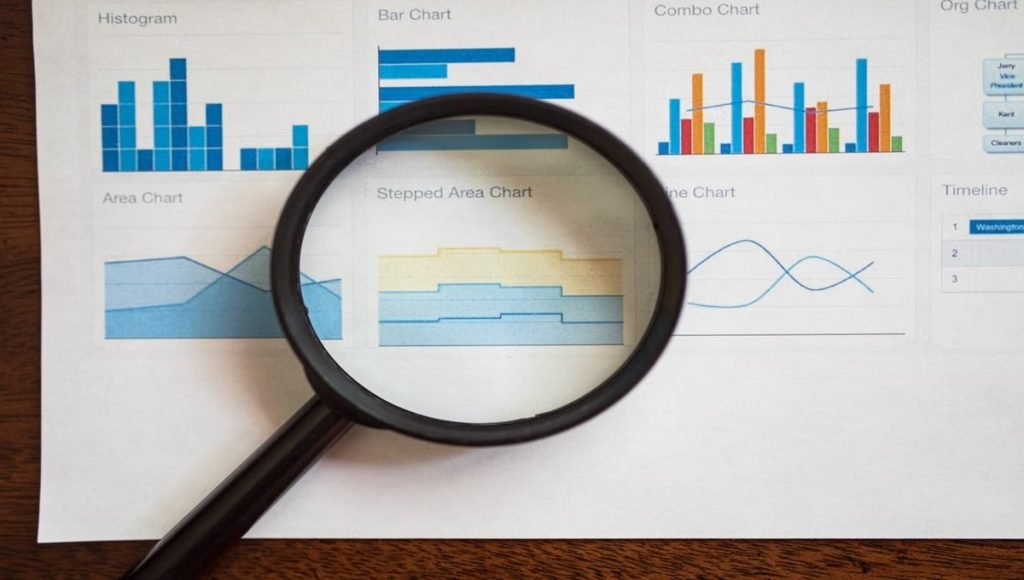
How to measure brand performance depends on the goals established earlier in the development process. Brand awareness metrics can help track recognition, while customer research and internal feedback can show whether audiences understand the positioning and whether teams are applying the brand consistently.
For more established businesses, brand equity measurement can provide additional insight into how the brand is perceived over time. The goal is not to redesign the brand whenever a metric changes, but to identify where development, refinement, or stronger consistency is genuinely needed.
Final Thoughts on Brand Development
Brand development creates a foundation for how a business positions itself, communicates its value, and builds a recognizable presence over time. Research, strategy, messaging, identity, brand assets, and customer experience are most effective when they work together rather than being developed as separate parts of the business.
A successful brand does not need to remain unchanged as the company grows. The goal is to evolve with purpose while protecting the brand equity, positioning, values, personality, and recognizable elements that give the business its direction. With a clear process and consistent implementation, brand development can help a brand scale into new products, markets, and opportunities without losing what makes it distinctive.
Frequently Asked Questions About Brand Development
What Is Brand Development?
Brand development is the strategic process of defining, building, strengthening, and evolving a brand over time. It combines research, positioning, strategy, messaging, brand identity, and customer experience to create a clear and recognizable brand across different touchpoints.
What Is the Brand Development Process?
The brand development process typically includes researching the market and target audience, defining positioning, establishing mission and values, developing brand strategy, creating or refining the brand identity, implementing it across key touchpoints, and measuring performance over time.
What Is the Difference Between Brand Development and Branding?
Brand development is the broader process of researching, defining, building, implementing, and evolving a brand. Branding refers more broadly to the activities and decisions that shape how a brand is presented and perceived. Brand development provides the strategic direction that keeps those branding efforts connected and consistent.