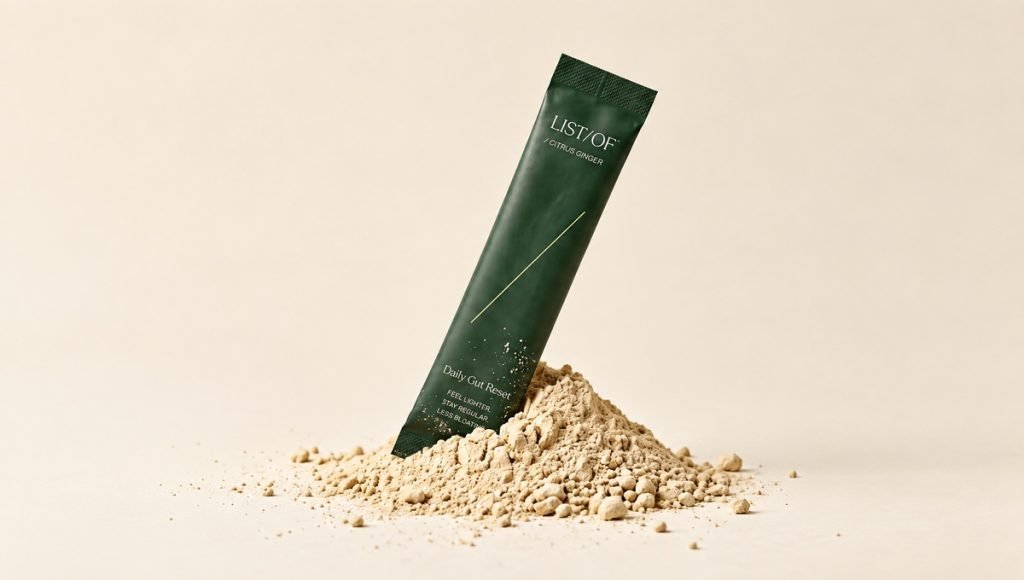
Health and wellness branding plays a major role in how customers perceive, recognize, and trust a brand. In a crowded market filled with similar supplement and wellness products, even small branding mistakes can make it difficult to stand out. From generic packaging and unclear brand messaging to inconsistent visual identity, these issues can weaken brand recognition and leave potential customers unsure about what makes a product different.
For CPG and supplement brands, building a strong wellness brand requires more than attractive design elements. Every decision should reflect the brand’s values, target audience, and unique positioning. In this guide, we explore seven common health and wellness branding mistakes, explain how to avoid them, and share real projects from bemain studio that demonstrate better approaches to building a distinctive brand identity.
Why Wellness Branding Mistakes Matter in a Crowded Market
The wellness industry is filled with brands competing for attention, making it difficult for health and wellness businesses to differentiate their products. When a wellness brand relies on generic visuals, inconsistent messaging, or unclear positioning, potential customers may struggle to understand its value. These mistakes can weaken the first impression and make it harder to build trust in a market where credibility matters.
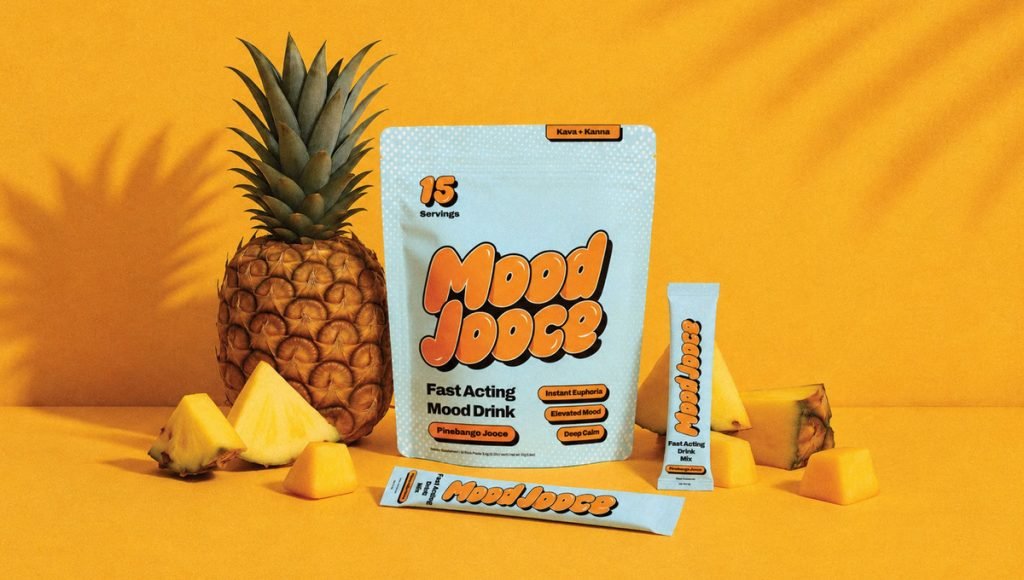
Effective health and wellness branding connects a brand’s purpose, personality, and visual identity into a consistent experience. For supplement brands, this means communicating product benefits clearly, maintaining transparency, and creating recognizable packaging that reflects their core values. Avoiding these mistakes helps businesses establish a stronger market position and build lasting brand recognition.
7 Common Health and Wellness Branding Mistakes
Many health and wellness businesses struggle to stand out because their branding looks similar to competing products or fails to communicate a clear purpose. Understanding these common mistakes can help wellness brands create stronger identities, improve customer trust, and build a more recognizable market presence.
1. Using Generic Wellness Design Elements
One of the most common health and wellness branding mistakes is relying on predictable colors, stock photography, and minimalist layouts without creating a distinctive brand personality. While green tones, natural imagery, and clean typography can work well in the wellness space, using the same visual approach as competitors makes it difficult for customers to recognize your brand.
A strong wellness brand should develop a unique visual identity that reflects its products, values, and target audience. Thoughtful color choices, custom design elements, and authentic product photography can create a memorable first impression while maintaining a consistent visual language across packaging and digital platforms.
2. Failing to Define Clear Brand Values and Positioning
A wellness brand without clear positioning can struggle to explain why customers should choose its products over competing options. Many health and wellness businesses focus on broad promises such as better health or improved well-being without identifying a specific audience or unique value proposition. This makes their brand messaging feel generic and difficult to remember.
Building a strong wellness brand strategy starts with defining the brand’s purpose, core values, and customer needs. Whether a business focuses on gut health, sleep support, or everyday nutrition, its positioning should communicate a clear benefit and distinctive brand promise. A focused strategy creates a foundation for consistent messaging, a recognizable brand voice, and stronger differentiation in a crowded market.
3. Creating Inconsistent Packaging Across Products
Inconsistent packaging is a common mistake that can weaken brand recognition, especially when a wellness brand offers multiple products. Using different typography, unrelated color palettes, or changing design styles across a product range can make items appear disconnected. This creates confusion for customers and makes it harder to recognize products from the same brand.
Successful health and wellness branding relies on a flexible visual system that maintains consistency while allowing individual products to stand out. Supplement brands can use shared typography, recognizable graphic elements, and coordinated colors to connect different formulas or product categories. A cohesive wellness packaging design system supports product recognition and future launches without sacrificing the established identity.
4. Making Supplement Labels Difficult to Understand
Complicated supplement labels can confuse customers and make it harder to understand a product’s purpose. Some wellness brands overcrowd their packaging with excessive text, decorative graphics, or technical terminology that hides essential information. When ingredients, product benefits, and usage instructions are difficult to find, potential customers may question the brand’s clarity and credibility.
Effective health and wellness branding prioritizes clear communication and readable packaging. A strong visual hierarchy, carefully selected typography, and organized product information help customers understand what they’re buying at a glance. Thoughtful supplement label design balances attractive visuals with transparent messaging while keeping important details accessible.
5. Using Vague or Unsupported Health Claims
One of the biggest mistakes in health and wellness branding is making exaggerated promises about product results. Claims suggesting guaranteed health improvements, instant transformations, or unrealistic benefits can damage credibility and create compliance risks. Customers need clear information rather than marketing messages that promise more than a product can deliver.
A trustworthy wellness brand communicates benefits accurately and supports its claims with appropriate evidence. Clear ingredient information, transparent brand messaging, and realistic product descriptions help build trust without relying on misleading statements. For supplement brands, maintaining consistency between packaging claims, website content, and marketing materials is essential for protecting credibility.
6. Ignoring Consistency Between Packaging and Web Design
A wellness brand can lose credibility when its packaging and website communicate different visual styles or messages. Inconsistent colors, typography, product photography, or brand voice can make the customer experience feel disconnected. For health and wellness businesses selling online, this may create uncertainty when potential customers move from discovering a product to making a purchase.
Effective health and wellness branding connects packaging, web design, and marketing materials through a cohesive brand identity. Consistent colors, recognizable design elements, and clear brand messaging create a seamless experience across customer touchpoints. Thoughtful wellness website design strengthens brand recognition and supports a professional digital presence.
7. Building a Wellness Brand Without Room to Grow
A common mistake in health and wellness branding is creating an identity that works for a single product but becomes difficult to maintain as the business expands. When packaging, typography, and design elements are developed without a long-term plan, introducing new supplements or product categories can lead to inconsistent branding and unnecessary redesign costs.
A strong wellness brand needs a flexible identity system that supports future growth while maintaining a recognizable personality. Consistent typography, adaptable packaging layouts, and coordinated colors allow businesses to introduce new wellness products without losing their established identity. Planning for expansion early helps brands maintain consistency and build a foundation for long-term growth.
3 Real Wellness Branding Examples: What Works Instead
Avoiding common health and wellness branding mistakes becomes easier when looking at real projects. Successful wellness brands combine clear positioning, distinctive design, and consistent messaging to communicate their value. These three projects from bemain studio demonstrate how thoughtful branding decisions can address common challenges in the wellness industry.
1. LIST/OF: Making Gut Health Branding Clear and Accessible
LIST/OF is a doctor-founded gut health brand offering Daily Gut Reset, a supplement designed to support digestive wellness. The challenge was to communicate the product’s purpose clearly while establishing a recognizable brand identity in a crowded market. Rather than relying on generic wellness visuals, the brand needed a distinctive personality that balanced scientific credibility with an approachable customer experience.
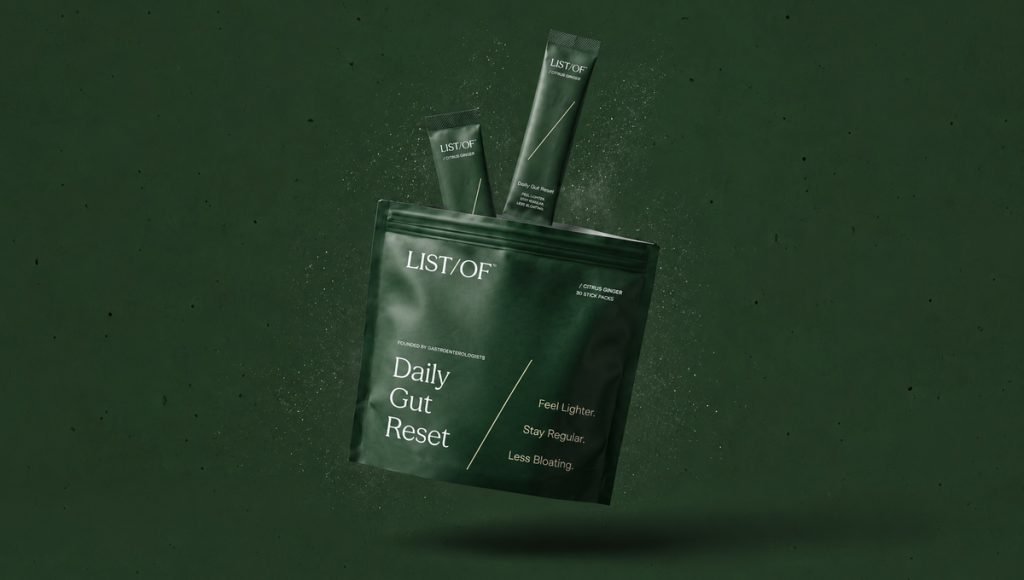
At bemain studio, we developed a cohesive visual identity and website experience built around bold typography, deep green colors, and clear product messaging. The consistent design connects supplement packaging with the digital experience, helping customers recognize the brand and understand its offering. LIST/OF demonstrates how thoughtful health and wellness branding can simplify complex product communication without sacrificing visual appeal.
2. Tuned: Creating a Distinctive Sleep Supplement Brand
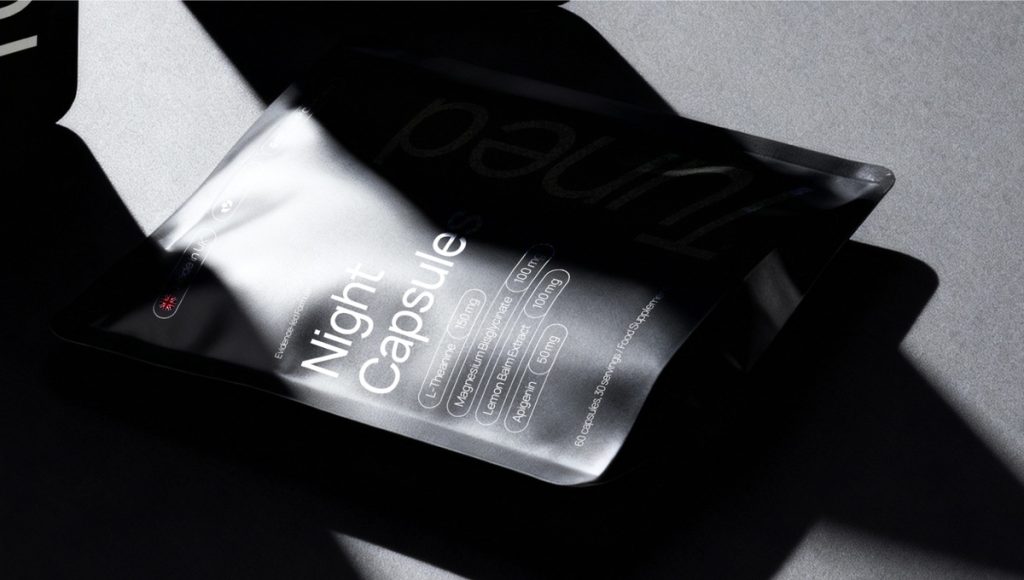
Tuned is a sleep supplement brand designed to stand out in the competitive wellness industry. Instead of following the typical wellness aesthetic of soft colors and nature-inspired graphics, the brand takes a more refined approach. Its minimalist black packaging, clear typography, and restrained visual identity establish a distinctive presence while communicating calmness and quality.
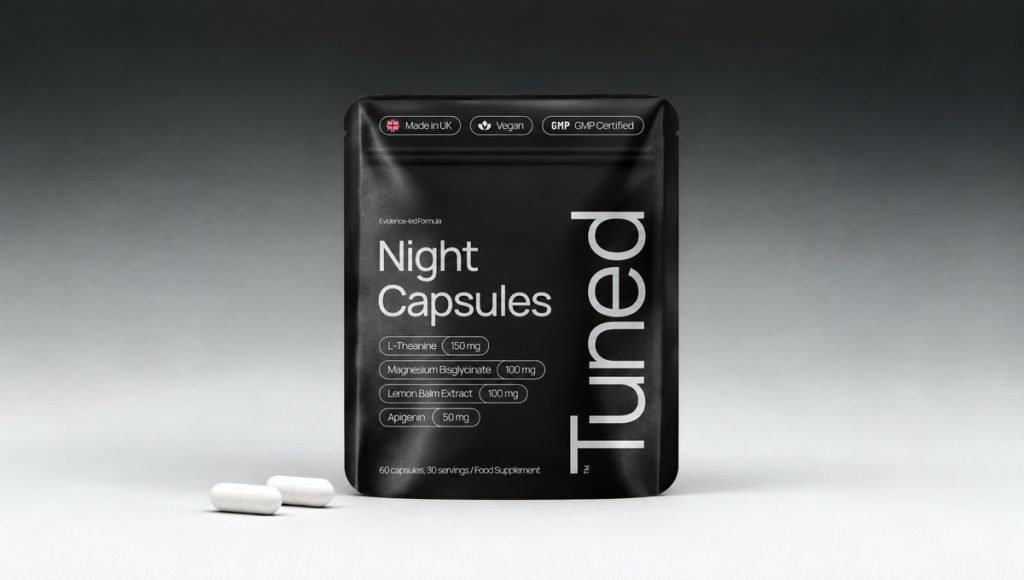
At bemain studio, we developed a cohesive brand identity that connects the product packaging with the overall brand experience. The consistent visual language creates a recognizable personality without relying on generic wellness design elements. Tuned demonstrates how a strong wellness brand can differentiate itself through thoughtful design while maintaining clarity and a premium appearance.
3. Perfect Blend Nutrition: Connecting Brand Identity, Packaging and Web Design
Perfect Blend Nutrition is a wellness brand focused on supplements for parents. The challenge was to create a recognizable brand identity that communicated comfort, trust, and product quality while maintaining consistency across physical packaging and digital channels. A disconnected visual experience could make it harder for customers to recognize the brand when moving between its products and website.
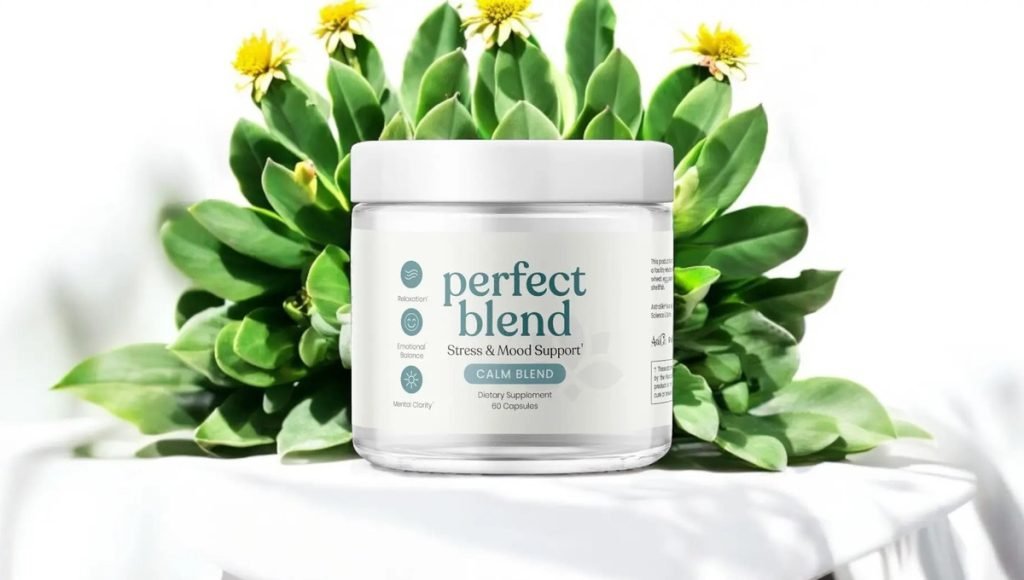
At bemain studio, we developed a cohesive identity using soft colors, clear typography, and thoughtful design elements across packaging and web design. The consistent visual system connects product presentation with the online shopping experience, creating a unified brand personality. Perfect Blend Nutrition demonstrates how effective health and wellness branding can strengthen recognition through consistency across customer touchpoints.
When Should You Work With a Wellness Branding Agency?
Working with a wellness branding agency can be valuable when a business struggles to differentiate its products, maintain brand consistency, or communicate a clear market position. For growing health and wellness businesses, professional branding can connect brand strategy, packaging, and digital experiences into one recognizable identity. This becomes particularly important when launching new products, entering competitive markets, or refreshing an outdated brand.
A specialized agency can help identify gaps in the existing brand experience, from confusing packaging to inconsistent messaging. Rather than focusing only on appearance, effective wellness branding services align creative decisions with business goals and customer expectations. The right branding partner helps supplement and CPG brands develop a distinctive identity that supports future growth.
Build a Stronger Health and Wellness Brand With bemain studio
A successful wellness brand needs more than attractive packaging or a polished website. It requires a clear strategy, distinctive brand identity, and consistent messaging that reflects its purpose and connects with the right audience. Addressing common branding mistakes can help businesses strengthen customer trust, improve recognition, and stand out in a competitive market.
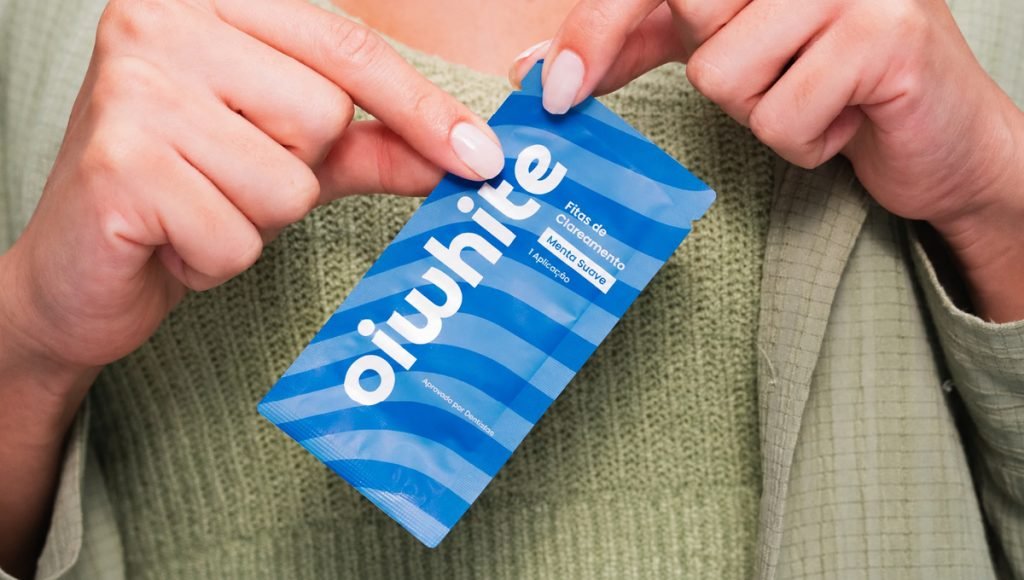
At bemain studio, we help CPG, supplement, and wellness brands develop recognizable identities through thoughtful brand strategy, packaging design, and digital experiences. Whether you’re launching a new product or improving an existing brand, our approach focuses on creating cohesive design systems that support long-term growth.
Frequently Asked Questions About Wellness Branding
What Is the Most Common Wellness Branding Mistake?
One of the most common wellness branding mistakes is creating a generic brand identity that looks similar to competitors. Without clear positioning, distinctive design elements, and consistent brand messaging, a wellness brand can struggle to communicate its unique value to potential customers.
How Can a Wellness Brand Stand Out in a Crowded Market?
A wellness brand can stand out by defining a clear target audience, developing a unique brand personality, and maintaining consistency across packaging, websites, and marketing materials. Effective health and wellness branding combines authentic messaging with a recognizable identity that reflects the brand’s values and product benefits.
Should a Wellness Business Refresh or Completely Rebrand?
A brand refresh is often enough when a wellness business has a strong foundation but needs updated visuals or clearer messaging. A complete rebrand may be necessary when its positioning, target audience, or business direction has changed significantly. The right approach depends on how well the existing brand supports its current goals.