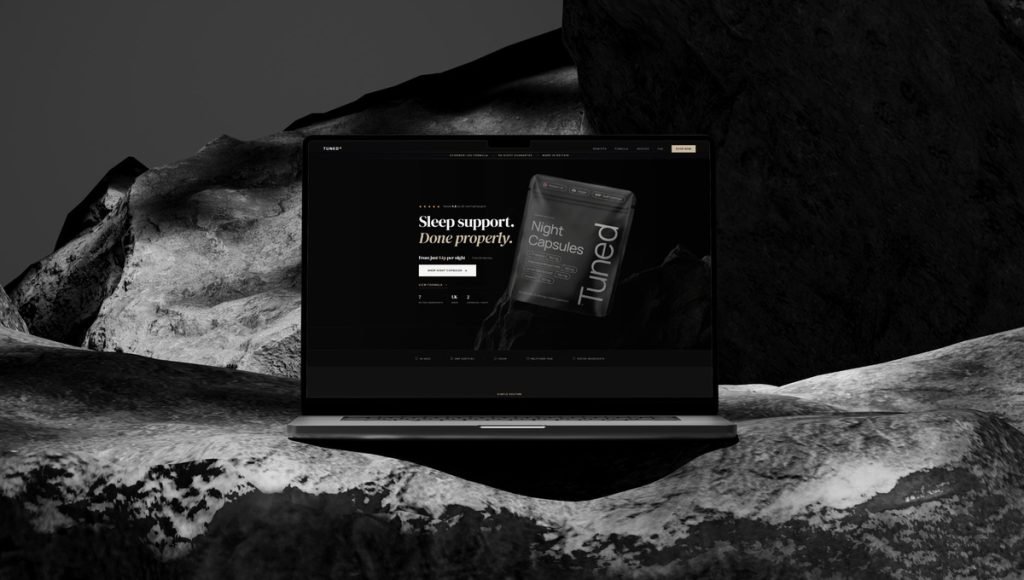
A brand audit is a structured review of how a business presents itself and how customers experience it. For CPG brands, that means evaluating brand strategy, visual identity, packaging, messaging, and digital touchpoints together. A comprehensive brand audit helps reveal what already works, where communication could be clearer, and which improvements deserve attention. It can also show whether the current brand experience reflects the business strategy behind the product.
At Bemain Studio, our work with consumer brands shows how these decisions affect the way products look and communicate. This article explains what a brand audit covers, how to organize its findings, and what CPG founders can learn from our projects with Primal Sweets, Brown Body Reset, and OiWhite. We also share a practical brand audit checklist.
What Is a Brand Audit and Why Does It Matter?
A brand audit compares how a business intends to position itself with what customers actually see and experience. It considers the brand’s message, identity, and presentation across packaging, websites, and marketing materials. For CPG companies, these touchpoints matter because the same product must make sense on a retail shelf, in an online store, and in a small mobile image. A review also considers whether the brand promise matches the experience buyers actually receive.
The purpose is not to recommend a redesign automatically. A successful brand audit identifies existing strengths alongside opportunities to improve clarity, recognition, and customer perception. Reviewing customer feedback and the brand’s market position can help protect brand equity and guide decisions that support long-term business objectives. It also helps distinguish a visual preference from an issue affecting brand performance.
What Does a Comprehensive Brand Audit Cover?
A comprehensive brand audit looks at the whole brand, not just its logo or packaging. The main areas are strategy and positioning, the visual and verbal identity, and the experience customers have across physical and digital channels. Together, these areas show whether internal branding, including the brand’s mission and values, aligns with external branding across the customer experience.

For CPG businesses, this also means evaluating how consistently the brand communicates across different products, packaging formats, and marketing channels. Reviewing these touchpoints together helps identify opportunities to strengthen brand recognition, improve messaging, and create a more cohesive experience for the target audience.
Brand Strategy, Positioning, and Target Audience
Start with the brand’s mission, values, target audience, and market position. These foundations should reflect the company’s values and business goals. Does the messaging explain who the product is for and why customers should choose it? Competitive analysis reveals how similar products communicate benefits, respond to market trends, and compete in the target market. For CPG brands, these insights should align with packaging and product descriptions, not just strategy presentations. The goal is to identify opportunities for brand differentiation and ensure clear brand positioning for target customers.
Brand Identity, Packaging, and Brand Messaging
Next, examine the brand identity as customers encounter it: logo, colors, typography, photography, packaging hierarchy, and product copy. A strong visual identity should remain recognizable across different flavors, formats, and screen sizes. The packaging also needs to make the product type, benefits, and key information easy to find. The brand voice should match the packaging copy and product descriptions. Comparing these brand elements with existing brand guidelines shows where the visual system and brand messaging could be applied more consistently.
Website, Marketing Materials, and Customer Experience
A brand audit should extend beyond the package to websites, e-commerce pages, social media platforms, and marketing campaigns. Look for consistency in the visual style, tone, and information customers receive at each step. Website analytics and social media analytics may show how people find and interact with the brand. Reviews, customer surveys, and social media comments can add context about customer engagement and the questions buyers still have. These sources are useful when available, but they should support, not replace, a direct review of the customer experience.
How We Approach the Brand Audit Process at Bemain Studio
Our work begins with understanding the product, its audience, and the brand’s intended position. Those choices should connect to a clear marketing strategy, not simply a preferred visual style. That foundation also guides our wider brand development process. For a brand audit, the next step is to compare that direction with what customers actually encounter, from product packaging and naming to websites and promotional graphics.
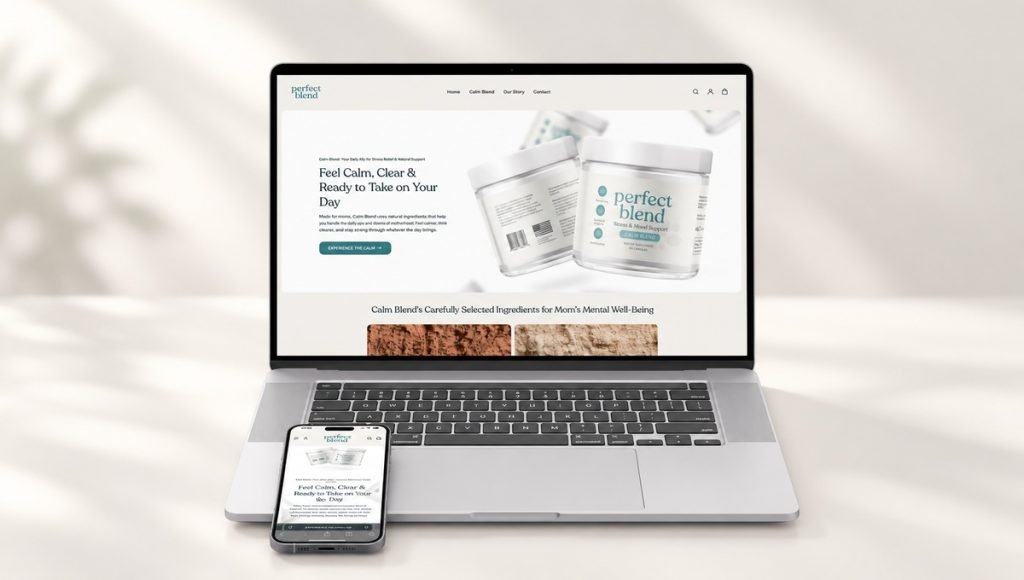
For CPG brands, we also consider how the same identity performs across different formats. Packaging must communicate clearly on retail shelves, while e-commerce thumbnails need to remain recognizable at smaller sizes. Reviewing these applications together helps identify opportunities to improve visual consistency and product communication.
A useful brand audit framework combines visual observations with relevant data where it exists. This might include customer feedback, sales data, and a review of competitors, without assuming every client has extensive research available. The goal is a practical brand assessment: identify what should stay, which areas deserve closer attention, and what evidence is needed before making changes. This can include checking how internal branding decisions translate into external branding, without assuming every project requires a company-wide review.
Brand Audit in Practice: Lessons From Our CPG Projects
Our work with Primal Sweets, Brown Body Reset, and OiWhite illustrates different questions a CPG brand audit can explore. These projects connect product positioning with brand identity design, packaging, and customer-facing communication. These are real Bemain projects that illustrate audit principles; they are not presented as evidence that the studio conducted a separate formal audit for each client.
Each project focuses on a different challenge: communicating nutrition without losing appetite appeal, making related products easy to distinguish, and carrying a distinctive identity into digital channels. Looking at these choices shows what an evaluation should pay attention to.
Primal Sweets: Connecting Brand Identity With Product Presentation
Primal Sweets makes high-protein marshmallows, so its packaging needs to communicate protein value without losing the fun of a sweet snack. Bemain refreshed the packaging and Shopify website with clearer protein messaging, bold colors, and distinctive flavor cues. This approach helps each flavor stand out while maintaining a recognizable visual identity across the product range.
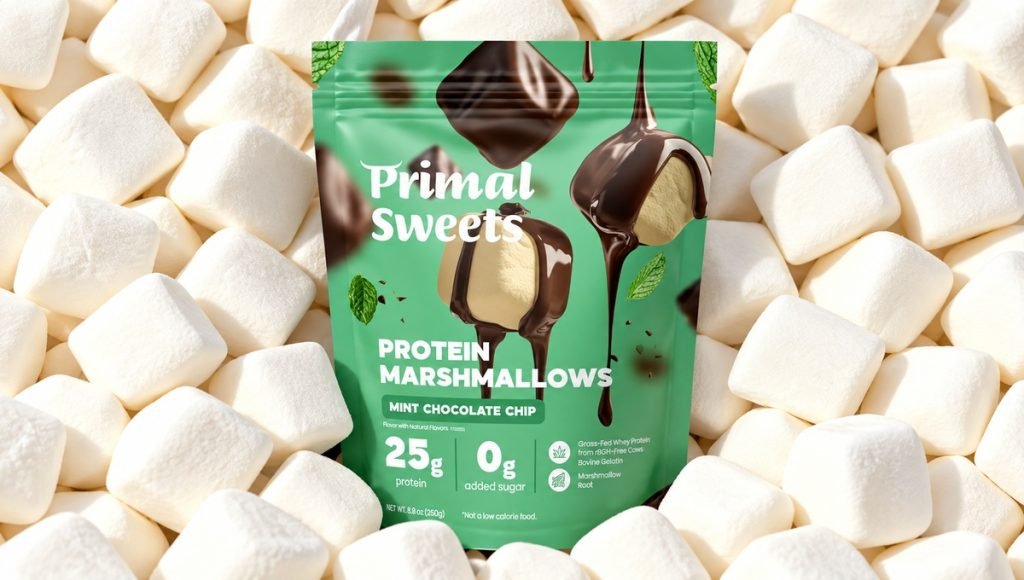
For a brand audit, this project highlights a useful question: does the first impression communicate both the product benefit and the experience customers expect? It also shows why packaging and an online storefront should feel like parts of the same brand. When these elements work together, customers encounter a consistent brand experience from their first impression to the point of purchase.
Brown Body Reset: Creating Consistency Across a Product Range
Brown Body Reset offers products for different parts of a daily routine, including AM Recharge and PM Restore. Bemain’s packaging uses a connected visual system while giving each formula a distinct role. Consistent typography, colors, and layout help establish a cohesive brand identity across the product range.

In a brand audit, this kind of range raises two practical questions: can customers tell the products apart quickly, and can they still recognize them as belonging to one brand? Product naming, hierarchy, and consistent packaging details all contribute to that balance. A well-structured packaging system also makes it easier to introduce new products without losing brand recognition.
OiWhite: Building a Distinctive Brand Across Multiple Touchpoints
OiWhite is a Brazilian oral care brand offering vegan teeth whitening strips to a younger, digitally native audience. Bemain developed its identity and packaging using bold typography, vibrant colors, and flexible graphic elements that also work in social media content. This distinctive visual approach helps the brand maintain a recognizable personality across physical and digital touchpoints.
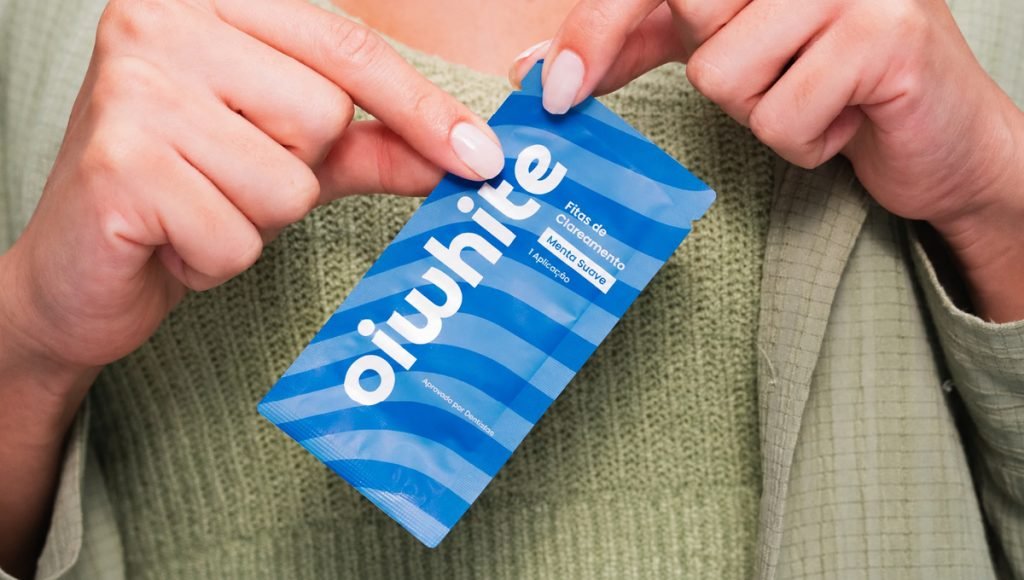
The lesson for a brand audit is to review more than the individual package: does the same personality carry through product imagery, social posts, and other marketing materials while keeping the product information clear? A cohesive visual system helps ensure that every interaction reinforces the brand’s identity, whether customers discover the product online or encounter it in a retail environment.
Turning Brand Audit Insights Into an Action Plan
Findings only become useful when they lead to decisions. Some brands need clearer product descriptions or more consistent typography; others may benefit from a focused brand refresh. This assessment should separate changes that improve communication from changes made only because a different style looks new.
A practical action plan sets priorities according to customer needs and business objectives. Where data is available, teams can establish key performance indicators, review customer feedback, and track progress after changes are introduced. The important step is to connect each recommendation to a clear reason, then assess whether it improves customer experience or brand visibility rather than turning an audit into an automatic list of redesign tasks.
Our CPG Brand Audit Checklist
Use this brand audit checklist to review how your CPG brand communicates across products and channels. It is a starting point for discussion, not a substitute for customer research or a full assessment. Each question helps highlight opportunities to strengthen brand consistency, improve communication, and create a more cohesive customer experience.
- Brand Strategy: Can someone quickly understand what the brand stands for and where it fits in the market?
- Target Audience: Do the product benefits and language make sense to the people you want to reach?
- Brand Identity: Are typography, colors, logo usage, and imagery recognizable across applications?
- Packaging: Are the product type, key benefit, and differences between SKUs easy to understand?
- Digital Experience: Do the website, product pages, and social media presence feel connected to the packaging?
- Customer Perception: What do reviews, customer feedback, or available surveys say about clarity and expectations?
- Brand Performance: What relevant evidence can help evaluate recognition, customer engagement, repeat purchases, or brand loyalty?
- Next Steps: Which improvements offer the clearest benefit without losing existing brand strengths?
This simple brand audit template helps organize observations before choosing a design direction. For a more thorough brand assessment, gather data from the channels you actually use and prioritize findings based on their relevance to the business.
When Should a CPG Brand Conduct a Brand Audit?
A CPG brand should consider a brand audit before entering a new market, expanding its product range, or changing its positioning. These moments are useful opportunities to check whether the identity and packaging system can support the next stage of growth. A brand audit can also reveal whether the existing visual system is flexible enough to accommodate new products without losing brand recognition.

It can also help when marketing channels have evolved separately, customer expectations are changing, or current market trends are affecting how products are presented. Reviewing the brand periodically, rather than waiting for an urgent redesign, can support consistent branding, customer loyalty, and the reputation customers already associate with it.
For growing CPG businesses, reviewing the brand before a major product launch or packaging update can make future decisions easier. Evaluating product presentation, messaging, and visual consistency early helps ensure that new additions strengthen the existing brand rather than create disconnected customer experiences.
Ready to Evaluate Your CPG Brand?
A brand audit can give a growing CPG business a clearer picture of what to preserve and where to improve. The objective is a more consistent, recognizable brand, not change for its own sake. By identifying opportunities early, businesses can make more informed decisions that strengthen brand positioning and support long-term growth.
At Bemain Studio, we help consumer brands connect strategy, identity, packaging, and digital experiences. If you are planning a launch, extending a product line, or reconsidering how your brand is presented, we’d love to hear about your goals.
Frequently Asked Questions
What Does a Brand Audit Include?
A brand audit includes a review of positioning, brand identity, messaging, customer perception, and brand touchpoints. For CPG companies, packaging, product pages, and other customer-facing materials are especially important.
Is a Brand Audit the Same as a Brand Redesign?
No. A brand audit evaluates what is working and what could improve. A redesign is one possible response to those findings, but smaller changes may be more appropriate.
How Often Should You Conduct a Brand Audit?
There is no single schedule for every business. Review your brand when products, audiences, markets, or business priorities change, and consider periodic checks to maintain consistency.
Can a Startup Benefit From a Brand Audit?
Yes. A startup can review its positioning, visual identity, packaging, and messaging before launch to make sure they work together and communicate clearly to its intended audience.