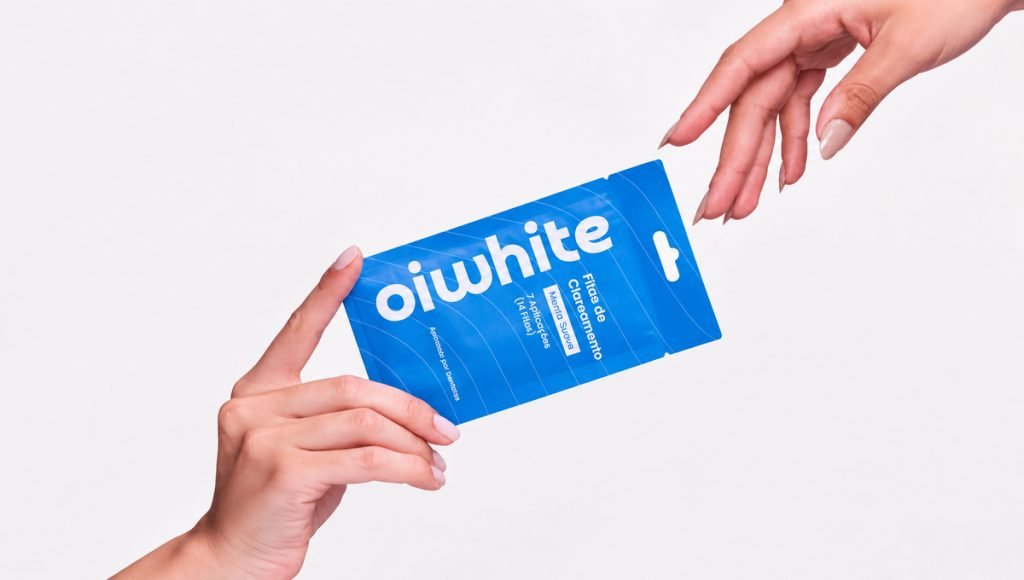
Product branding is the process of creating a unique identity for a specific product so customers can recognize it, understand its value, and remember it. Unlike company-wide branding, product branding focuses on the identity, personality, presentation, and experience of one particular product or product line.
A strong product brand brings together a product name, logo, visual identity, packaging, messaging, and other branding elements to create a clear presence in its particular market. For consumer brands, these elements can help a product stand out, communicate its value, and create stronger connections with the target audience.
What Is Product Branding?
Product branding gives a particular product its own identity within the market. It can include the product name, logo, colors, typography, packaging, messaging, brand voice, imagery, and other visual elements that shape how customers recognize and understand the product.
The goal is not simply to make a product look different. Effective product branding connects the product’s identity with its audience, positioning, value, and overall customer experience. When these elements work together, they can create a distinctive product that is easier to recognize and remember.
A product can have its own identity while still belonging to the same company as other products. This is one reason company branding and product-level decisions need to remain connected without becoming identical. This approach can be useful when a particular product targets a specific audience, occupies a distinct category, or needs a stronger identity within a crowded market.
Product Branding vs. Corporate Branding
Product branding and corporate branding operate at different levels. Corporate branding focuses on the entire company, including the company’s mission, company’s values, shared principles, reputation, and overall identity. Product branding focuses on a specific product, product line, or offer and aims to make that offer relevant to its target consumer. In practical terms, product branding aims to give the product a recognizable role within its category.
| Aspect | Product Branding | Corporate Branding |
| Focus | A specific product or product line | The entire company |
| Identity | Builds the product’s identity and personality | Builds the company’s overall identity and reputation |
| Messaging | Communicates product-specific benefits and positioning | Communicates the company’s values, purpose, and mission |
| Visual Direction | Can have its own visual and verbal direction | Provides the broader brand foundation |
The two approaches can work together. A product can develop its own identity while remaining connected to its parent company and overall brand identity. The relationship depends on how closely the product should be associated with the parent brand and how much independence the product needs.
The company establishes the broader foundation, including its mission and values, while each product can communicate a more specific story, value proposition, and personality. Clear separation between product and corporate branding can also improve overall brand awareness and strengthen brand loyalty by making the relationship between the product and the wider company easier to understand.
Why Is Product Branding Important?
Product branding helps customers understand what a product is, who it is for, and why it deserves attention. In categories where products can appear similar, a clear identity can create differentiation and leave a lasting impression. Strong product branding also gives customers recognizable cues across digital marketing, packaging and e-commerce.

Tuned product branding uses consistent packaging and visual elements to build product recognition.Consistent branding builds familiarity, customer loyalty, and repeat purchases over time. A recognizable brand identity helps customers connect separate interactions with the same product, while emotional connection can make the product feel more relevant beyond its functional features.
Build Recognition and Differentiate the Product
A clear product identity can help customers recognize a product across different touchpoints and distinguish it from similar offers. It takes 5 to 7 impressions for brand recognition, which is why consistent names, colors, visual elements, messaging, and packaging can contribute to a more recognizable product experience.
Build Customer Loyalty and Emotional Connection
Consistent branding can strengthen customer loyalty and encourage repeat purchases by creating familiarity over time. Research involving more than 2,000 consumers found that 86% of participants rated at least one emotional need as highly important in a purchase decision, showing why a product’s identity can communicate more than functional features alone and help turn first-time buyers into loyal customers.
Support Perceived Value and Business Growth
A well-defined product brand can support premium pricing when customers perceive meaningful value in the product, its presentation, and its overall experience. A strong product brand can increase revenue by up to 23%, while the often-cited 23% figure is associated with consistent brand presentation rather than product branding alone. This should be treated as a survey-based estimate rather than a guaranteed result for every product.
Key Elements of Product Branding
Product branding is created through a combination of branding elements rather than one individual design decision. The most important elements should work together to communicate the same product positioning and personality across physical and digital experiences. This is where brand identity design helps turn individual choices into a cohesive visual system.

Branding elements can include the product name, logo, colors, typography, packaging design, imagery, messaging, and other visual elements. When these elements follow a consistent direction, they make the product easier to recognize and help create a stronger overall brand identity.
Product Name and Logo
The product name gives customers a simple way to identify and remember the product, while the logo provides a recognizable visual cue. Together, they form important parts of the product’s identity and should fit the target audience, positioning, and overall brand image.
Visual Identity, Colors and Typography
A strong brand identity extends beyond the logo. Colors, typography, imagery, layouts, icons, and other visual elements create the visual language customers associate with the product. Color can influence perception and emotional response, but its meaning varies by audience, category, and context, so the visual system should support the product’s positioning rather than rely on color alone.
Packaging Design and Product Presentation
Product packaging is one of the most direct physical expressions of product branding. Packaging design can communicate the product name, benefits, positioning, personality, and visual identity while helping customers understand the product quickly. In retail, a product may compete for attention on a shelf, display, or product stand, while additional graphics around a product stand can reinforce the same identity. In e-commerce, the package can become part of the unboxing experience.
Brand Messaging and Voice
Brand messaging explains what the product offers and why it matters, while brand voice determines how those ideas are communicated. Together, they translate the product’s positioning and personality into language customers can understand across packaging, product descriptions, websites, advertising, email, and other marketing materials.
How to Build a Product Branding Strategy
A product branding strategy turns research, positioning, identity, and communication into a practical system for how a product should look, sound, and connect with customers. A successful product branding strategy should begin with the customer and provide a consistent product experience across every important touchpoint. An effective product branding strategy also gives teams a practical framework for making consistent decisions as the product grows.

A clear strategy also helps align the product’s visual identity, brand messaging, packaging, marketing materials, and digital presence so customers receive the same core message wherever they encounter the product.
1. Start With Market Research and Your Target Audience
Start with thorough market research to understand the category, customer expectations, existing alternatives, and opportunities for differentiation. Consumer insights can reveal what matters most to potential buyers, while teams can interview customers, review surveys, analyze reviews, and study competitors to define a clearer target audience.
2. Define Product Positioning and the Value Proposition
Brand positioning establishes where the product belongs in the market and how it should be perceived. A clear value proposition should explain who the product is for, what it offers, what makes it different, and why that difference matters. This foundation can give the product a stronger competitive advantage and guide the wider marketing strategy and wider brand strategy.
3. Create the Product Identity and Personality
Once positioning is clear, define how the product should look, sound, and feel. This includes visual identity, brand personality, colors, typography, imagery, messaging, and other visual elements. A clear brand story can give these decisions more meaning and create an emotional connection between the product and its audience. It also helps the brand strategy connect positioning, personality, and communication.
4. Apply the Brand Across Customer Touchpoints
Apply the identity consistently across product packaging, websites, online stores, advertising, social media, email, retail materials, and other marketing efforts. Brand consistency helps customers recognize the same product across different channels, while a consistent tone of voice and visual system make the overall experience easier to understand and remember. This gives the brand strategy and tone of voice a consistent foundation across touchpoints.
Product Branding and Packaging
Packaging design deserves special attention because it connects product branding with the physical product itself. The package can introduce the product identity, communicate key information, establish visual hierarchy, and influence how the product is perceived before it is used.
A well-developed packaging system should balance brand recognition with practical product information. Typography, color, imagery, format, product benefits, claims, and required information all need to work together without making the package difficult to understand.
Packaging can also extend the product’s identity into social sharing and unboxing experiences. Research on e-commerce packaging has reported that around 40% of consumers share images of packaging on social media when the design is distinctive or on-brand. The exact behavior varies by audience and context, but the finding highlights the role packaging can play beyond the shelf.
Product Branding Across Digital Marketing and E-Commerce
Product branding does not stop when a customer leaves the retail shelf. Digital marketing extends the product identity into websites, online stores, product pages, advertising, email, social media, and other digital experiences. These touchpoints give customers additional opportunities to recognize the product and understand what it represents. This is especially important for growing CPG brands, where the same identity may appear across retail, e-commerce, and digital campaigns.
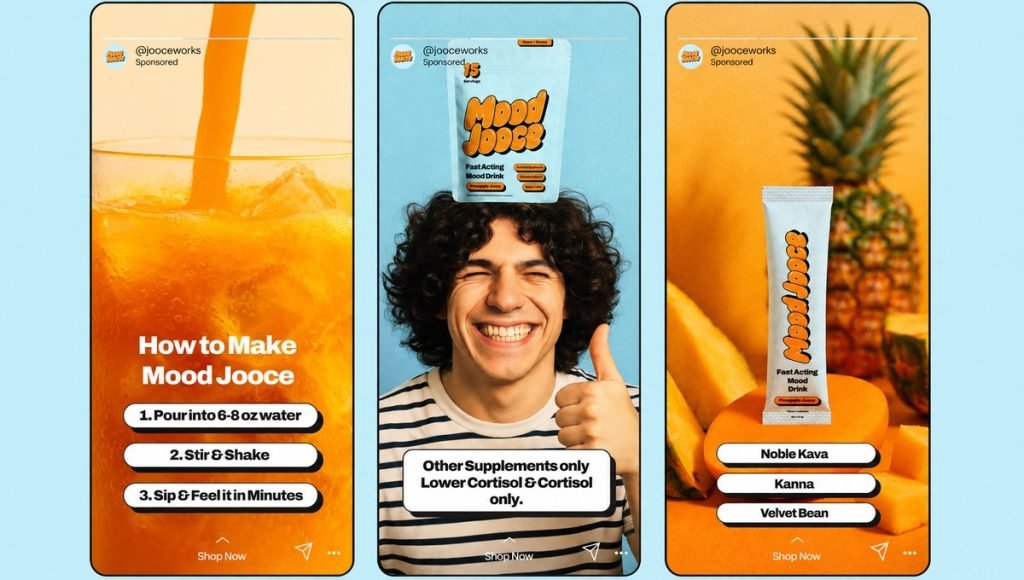
An online store should make the product feel like the same product customers see on its packaging. Product photography, descriptions, graphics, colors, typography, and brand messaging should reinforce the same identity rather than introduce a completely different visual direction. This consistency can make the online shopping experience feel more familiar and connected to the physical product.
Digital marketing can adapt the product’s message to different audiences and platforms. Paid advertising, social content, email campaigns, educational content, and product pages can each serve a different purpose while remaining connected through the same brand strategy. The format can change from one channel to another, but the core product identity should remain recognizable.
Product Branding for Product Lines and Multiple SKUs
Product branding becomes more complex when a business has several products or a growing product line. Each product may need enough distinction to communicate its specific purpose while still looking like part of the same family. This approach helps maintain brand consistency while allowing each product to have its own clear role, message, and visual distinction.
This is where a flexible visual and packaging system becomes important. Shared typography, layout principles, brand colors, graphic elements, and hierarchy can create consistency, while product-specific colors, names, imagery, or information can help individual SKUs stand apart. When relevant to the positioning, sustainable materials can also reinforce the product’s values and packaging story.
A strong product branding system allows branded products to develop their own identity without losing the connection between products from the same company. Consistent branded products can also make a growing range easier to navigate. A third role of consistent branded products is helping customers understand which items belong to the same family. This is particularly useful when a product line expands into new formats, flavors, sizes, or categories.
Product Branding Examples and Applications
Real life examples of product branding can be found across packaging, e-commerce, retail displays, and digital marketing. The most useful examples are not defined by company size but by how clearly the product’s name, identity, packaging, messaging, and customer experience work together. Comparing product branding examples can show how a successful product branding system works across packaging and digital channels.
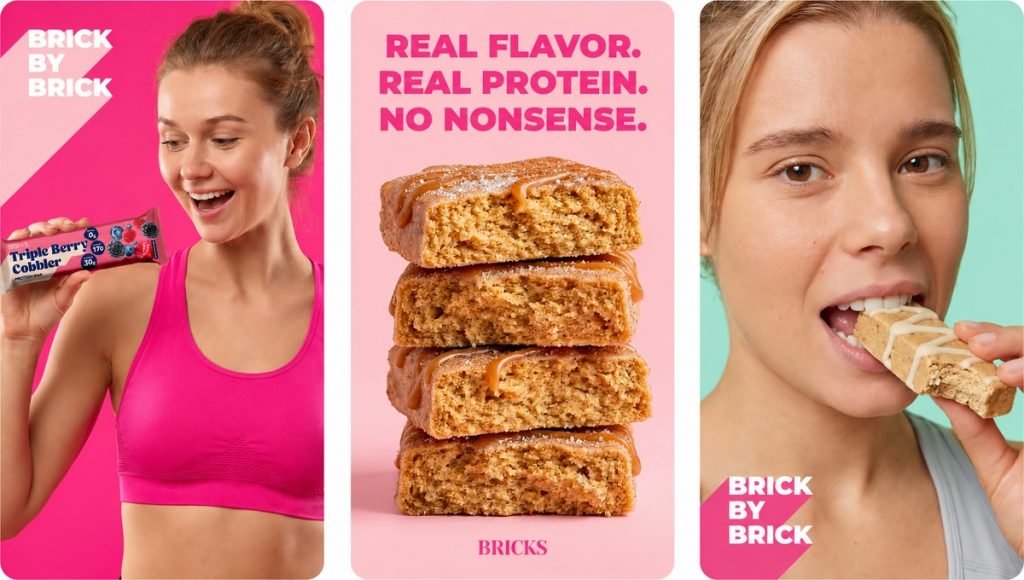
Product branding applied consistently across packaging, lifestyle photography, and marketing campaigns.Through packaging, a product can use a distinctive visual system, clear hierarchy, recognizable colors, and product-specific messaging to communicate its identity at the point of purchase. In e-commerce, the same identity can continue through photography, product pages, descriptions, advertising graphics, and the online store.
Marketing campaigns can then use the same product identity across advertising, social media, email, and other channels. The creative execution can change according to the platform, while the product’s core message, visual direction, and brand voice remain recognizable. This helps maintain brand consistency while allowing each channel to communicate with its own format and audience.
How Product Branding Creates Product Differentiation
Product branding helps a product establish a recognizable position within a particular market. Market research can reveal what customers expect, how competing products are presented, and where opportunities exist to create a more relevant and distinctive offer. This research can also clarify market share opportunities and strengthen the wider brand strategy.
Clear brand positioning gives the product a defined place in the market and helps guide decisions across identity, messaging, packaging, and marketing. Instead of trying to appeal to everyone, the brand can focus on the needs and expectations of a specific target consumer. This focused direction can make the product easier to understand and differentiate within its particular market.
Consumer insights can also help businesses identify the emotional and practical reasons people choose one product over another. These findings can strengthen the brand strategy and make the brand identity more relevant to the target consumer. They can also help shape more relevant messaging and marketing efforts across different customer touchpoints.
Common Product Branding Mistakes
Product branding can become less effective when individual design decisions are made without a clear strategy. Common problems include unclear positioning, inconsistent presentation, overreliance on a logo, and an identity that does not reflect the intended customer. These issues can make a product harder to recognize and weaken its connection with the target audience. A clear brand strategy helps keep design, messaging, and customer experience aligned.
Branding Without Clear Positioning
Creating a logo and visual style before defining what the product stands for can lead to an identity that looks polished but lacks direction. Product branding should start with the audience, category, value proposition, and positioning before moving into visual decisions.
Focusing Only on the Logo
A logo is an important recognition element, but it is only one part of the product’s identity. Effective product branding combines the logo with typography, color, packaging, imagery, messaging, personality, and other visual elements so the product can remain recognizable even when the logo is not the main focus.
Inconsistent Branding Across Touchpoints
Using different visual styles, messages, or tones across packaging, digital channels, and marketing materials can make a product harder to recognize. Brand consistency does not require every application to look identical, but the core identity should remain recognizable wherever customers encounter the product.
Trying to Appeal to Everyone
A product does not need to appeal to every possible customer. Trying to communicate with too many audiences at once can make the positioning vague, weaken the brand image, and make marketing efforts less relevant. A focused approach starts with a clearly defined target audience.
Final Thoughts on Product Branding
Product branding brings strategy, positioning, identity, messaging, packaging, and customer experience together to create a recognizable identity for a specific product. When these elements support the same direction, they can make the product easier to understand, recognize, and remember in a competitive market.
A successful product brand does not depend on a single logo, color, or campaign. Successful product branding connects the product’s identity, message, packaging, and experience so customers encounter the same core idea repeatedly. It develops through consistent decisions that reflect the target audience, product value, and brand strategy across every relevant touchpoint.
For businesses developing new products or expanding an existing product line, a solid product branding strategy can provide the foundation for clearer positioning, stronger recognition, customer loyalty, and long term success. Successful product branding can also help create a more memorable experience for loyal customers. Consistency can help products build familiarity over repeated customer interactions; the often-cited 5 to 7 impression guideline is best treated as a rule of thumb rather than a precise scientific threshold.
Frequently Asked Questions About Product Branding
What Is Product Branding?
Product branding is the process of creating a unique identity for a specific product through elements such as its name, logo, visual identity, packaging, messaging, personality, and overall presentation.
What Is the Difference Between Product Branding and Corporate Branding?
Product branding focuses on a specific product or product line, while corporate branding focuses on the entire company, including its values, reputation, mission, and overall identity. A product can have its own identity while remaining connected to the same company.
What Are the Key Elements of Product Branding?
The key elements include the product name, logo, visual identity, colors, typography, packaging, messaging, brand voice, imagery, and product presentation. These elements should work together to create a recognizable and consistent product identity. Together, these branding elements support a coherent brand strategy.
Why Is Product Branding Important?
Product branding helps products stand out within their category, communicate their value, build recognition, create an emotional connection, and encourage customer loyalty. Consistent branding can also make products easier to remember across retail, e-commerce, and digital marketing touchpoints.