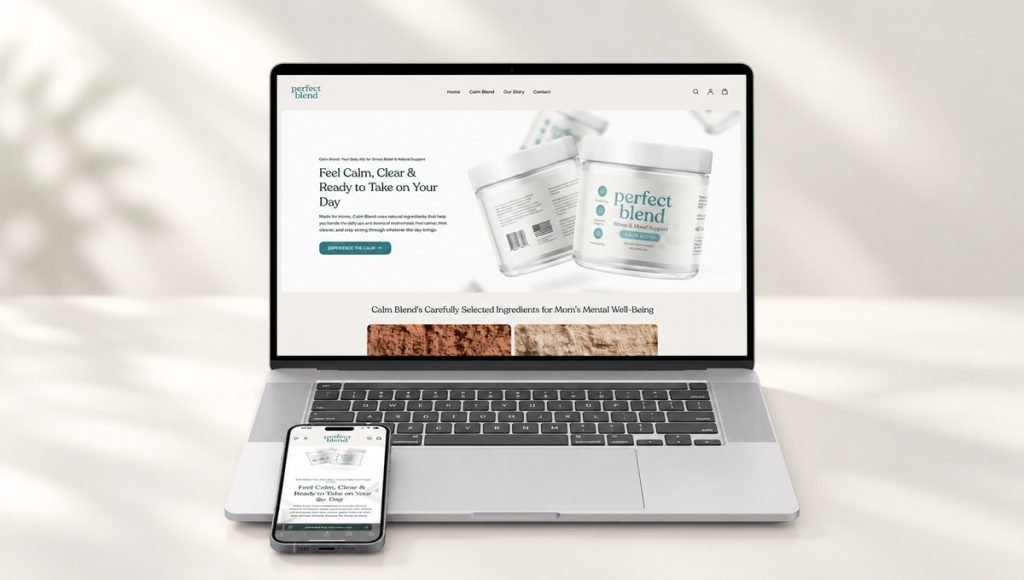
Health and wellness branding brings strategy, visual identity, messaging, and customer experience together to shape how people understand and trust a business. In a crowded market, a strong wellness brand needs to communicate its purpose clearly, reflect relevant brand values, and create a recognizable experience across products, packaging, websites, and marketing channels. Authenticity builds consumer trust in health and wellness brands.
This guide is for founders, marketing teams, and health and wellness businesses building or refining their brand identity. It covers seven practical steps for creating a strong wellness brand strategy, from understanding the target audience and brand values to developing a visual identity, unique brand voice, and consistent customer experience. The goal is to help wellness businesses build trust, strengthen brand recognition, and grow consistently across different touchpoints.
What Is Health and Wellness Branding?
Health and wellness branding is the process of shaping how a business is positioned, recognized, and experienced across products, services, packaging, websites, and marketing. It combines brand strategy, visual identity, messaging, and customer experience to create a clear and consistent impression for the target audience.
A strong wellness brand should communicate what the business stands for, who it serves, and why its offer matters. A clear brand purpose connects emotionally with consumers seeking wellness. When the brand identity, messaging, and visual direction reflect the same core values, it becomes easier to build trust and create a more recognizable presence in the health and wellness space.
Why Branding Matters for Health and Wellness Businesses
Health and wellness businesses often operate in a crowded market where customers compare similar products, services, claims, and experiences. Clear branding helps a business communicate what makes it different, who it serves, and why customers should pay attention. A unique value proposition differentiates brands in the crowded wellness market.

Trust is especially important in the health and wellness industry because customers are often making decisions connected to their well being. Authenticity builds consumer trust in health and wellness brands, while transparency about sourcing, ingredient lists, services, and brand values can strengthen brand credibility. Consistent branding across channels also helps customers recognize the business more easily and understand what to expect from it.
The global wellness economy reached $6.8 trillion in 2024, based on industry research. Research shows that 81% of consumers consider brand trust a deciding factor or deal-breaker when making a purchase.
How to Build a Strong Health and Wellness Brand Identity
Building a strong brand identity starts with understanding the people the business wants to serve and translating that knowledge into clear strategic and creative decisions. A strong wellness brand strategy should connect positioning, brand values, personality, visual direction, messaging, and customer experience rather than treating each element separately.
The goal is to create a system that feels distinctive but still authentic to the business. When these elements work together, the brand becomes easier to recognize, understand, and apply consistently across different products, services, and customer touchpoints.
1. Understand Your Target Audience
A wellness brand should begin with a clear understanding of its target audience, including their goals, expectations, pain points, and reasons for choosing one business over another. Customers may be looking for better daily routines, mental health support, improved performance, physical transformation, or other forms of personal well being. Understanding these motivations helps determine which benefits matter most and how the brand should speak to potential customers.
Understanding the ideal client also helps avoid generic messaging. The clearer the picture of the ideal client becomes, the easier it is for health and wellness businesses to create relevant experiences that reflect the needs and personal values of the people they want to serve.
2. Define Your Brand Strategy and Brand Values
Brand strategy establishes the direction behind how a business positions itself in the wellness space. It should clarify the brand’s purpose, audience, unique value proposition, core values, and the qualities that should remain consistent as the business develops.
Customers prefer brands that align with their personal values in wellness. Clear values can therefore influence partnerships, content, product decisions, services, and future growth while giving the team a stronger strategic foundation.
3. Create a Distinctive Brand Personality
Brand personality gives the business a more recognizable character and influences how it should look, sound, and interact with customers. A wellness brand might feel calm and supportive, scientific and professional, energetic and motivating, or combine several qualities depending on its positioning.
The personality should feel authentic rather than copied from other successful wellness brands. A distinctive direction helps the brand stand out while giving future design elements and communication a consistent reference point.
4. Build a Recognizable Visual Identity
The brand’s visual identity includes color schemes, typography, imagery, the logo, and supporting design elements. These elements shape the brand’s aesthetic, and the logo should work as one recognizable part of a broader design system rather than being expected to carry the entire identity. Together, these elements can create a strong brand identity that customers recognize across products, websites, packaging, and other touchpoints.
Visual identity serves as the foundation for building trust. Consistent use of the same visual direction can strengthen brand recognition while giving a professional wellness business enough flexibility to adapt its system across different formats and applications.
5. Choose Your Color Palette and Typography With Purpose
Color and typography can influence how a wellness brand is perceived before customers read the full message. Greens and blues evoke calmness and trust in wellness branding, while warm colors like orange and yellow can communicate more energy and optimism. Soft neutrals can create a calmer and more understated impression. Consistent use of color can strengthen brand recognition and make a color palette more recognizable across different touchpoints.
Typography influences brand perception and trustworthiness as well. Serif fonts, modern sans serifs, or other type styles should be selected because they support the intended personality and readability, not simply because they are popular design choices.
6. Develop a Consistent Brand Voice
A unique brand voice determines how the business communicates across its website, social media, product information, educational content, and marketing. The tone should reflect the brand personality while remaining clear enough for the audience to understand important information.
Consistent brand messaging makes the business easier to recognize beyond design alone. It also helps the team explain benefits, values, and expertise without changing personality every time the brand appears in a different context.
7. Create a Consistent Customer Experience
A cohesive brand experience connects what customers see, read, and experience at every stage of their interaction with the business. Omnichannel consistency strengthens the overall brand experience across touchpoints, from the first website visit to packaging, support, social media, and repeat purchases.
A cohesive brand experience builds consumer trust and loyalty. When design, messaging, services, and customer interactions support the same direction, the brand feels more dependable and easier to remember.
How Health and Wellness Branding Builds Trust and Emotional Connection
Trust develops when a wellness brand communicates clearly, behaves consistently, and gives customers reasons to believe in what it offers. Transparency about sourcing and ingredient lists can build brand credibility, while using credible experts in marketing can provide additional validation when their expertise is relevant to the product or service. Scientific credibility can be especially valuable when customers are evaluating products connected to their health.
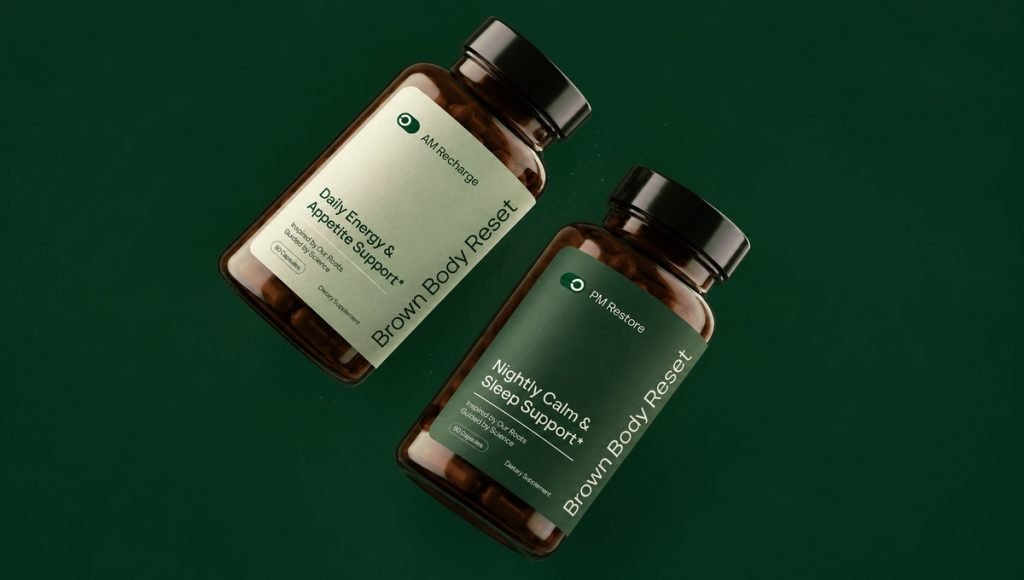
Emotional connection comes from more than design alone. Storytelling in branding fosters deeper emotional connections with consumers, while authentic imagery and visual storytelling can make the brand feel more human and relatable. Community involvement, educational content, and meaningful communication can also strengthen relationships over time and help wellness businesses retain customers rather than relying only on individual purchases.
Emotional connection can influence advocacy as well. Customers who feel emotionally connected to a brand can be more willing to recommend it to others, showing why a meaningful brand story can contribute to memorable experiences beyond the initial purchase. Over time, these positive associations can also strengthen loyalty and make the brand easier to remember.
Health and Wellness Branding Across Packaging and Digital Channels
Health and wellness branding needs to remain recognizable wherever customers encounter the business. A wellness brand may appear across different packaging channels, a website, e-commerce pages, social media, and other channels, so the same strategy and creative direction should connect each experience. Consistent branding across channels builds trust and recognition.
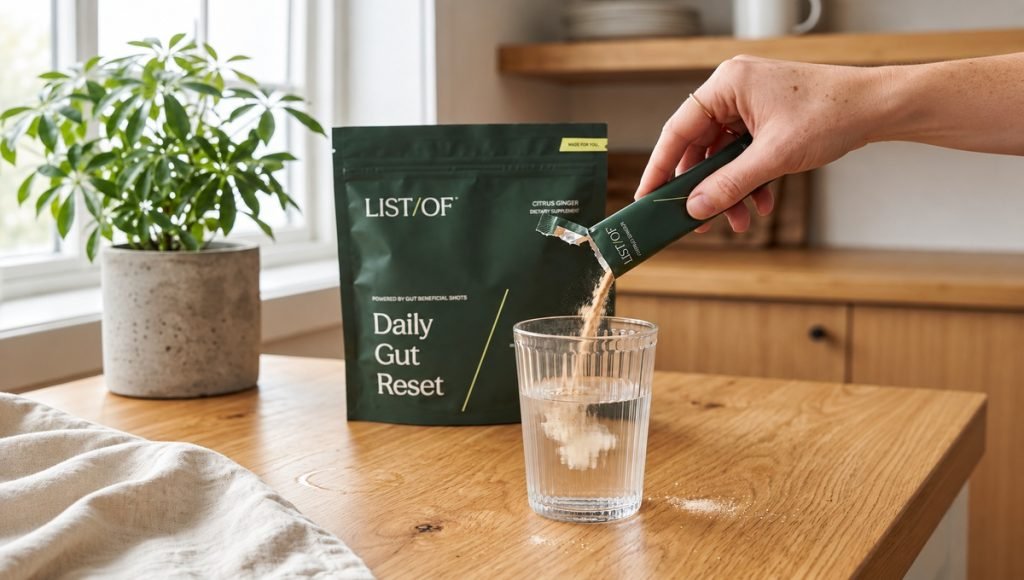
For businesses in the health and wellness industry, this consistency becomes even more important as the number of products, services, and customer touchpoints grows. The goal is not to make every application identical, but to make sure the identity remains familiar while adapting naturally to different formats and audiences.
Packaging and Product Presentation
Packaging design turns strategy into a physical experience for wellness products, supplement brands, and other health-focused businesses. Effective packaging design can enhance consumer perceptions of wellness products, while color, typography, logo design, imagery, product hierarchy, and other design elements should communicate clearly and reflect the wider brand.
Clear product information is just as important as appearance. Recent global research found that 82% of consumers want health and wellness labels to be more transparent and easier to understand, so packaging should help customers quickly understand the product, its positioning, and why it may be relevant to them. When the brand’s visual identity is applied consistently across multiple products, individual SKUs can remain distinct without losing their connection to the wider range.
Websites and E-Commerce
A website is often one of the most important places where potential clients or customers experience a wellness brand in depth. For many wellness clients, the first sixty seconds on a website can shape their initial impression of the brand. Web design should help health and wellness brands present the same color palette, typography, imagery, personality, and overall direction established across the rest of the identity while making products or services easy to understand.
Clear navigation, professional presentation, and consistent design can help the site connect with the right potential clients or customers quickly while building trust before a purchase or inquiry. Potential clients should be able to understand who the business serves, what it offers, and what differentiates it without unnecessary friction. The website should also make the brand story and essential information easy to access across desktop and mobile experiences.
Social Media, Educational Content and Marketing Assets
Social media and other channels give wellness businesses more opportunities to educate, connect, and create ongoing relationships with their audience. Educating consumers through content helps establish authority in wellness, particularly when information is useful, clear, and connected to genuine expertise.
Campaign graphics, email, social assets, and supporting content should still feel connected to the same wellness brand rather than becoming separate visual styles. Visual storytelling creates memorable experiences beyond just selling products, helping the business communicate its purpose and maintain a recognizable presence over time.
3 Health and Wellness Branding Examples From Real Projects
Real projects show how health and wellness branding changes depending on the audience, product, category, and problem the business is trying to solve. A successful wellness brand does not need to follow the same visual formula as every competitor; its strategy, messaging, website, packaging, and customer experience should reflect a distinct reason for existing. Strong wellness website design helps translate that brand direction into a clear digital experience.
The following BeMain Studio projects take different approaches to building trust and recognition in the wellness industry. Brown Body Reset begins with an underserved audience, Tuned builds around transparent sleep support and recovery, while LIST/OF turns a complex gut-health category into a simpler daily ritual.
1. Brown Body Reset: Research-Led Wellness Built for Brown Women
Brown Body Reset is positioned around a clear audience and problem: Brown women who feel that mainstream wellness products and research have not adequately reflected their needs. Its current product system combines AM Recharge and PM Restore, with the brand emphasizing research relevant to South Asian populations, alongside vegan and halal-compliant formulations and third-party safety certification.
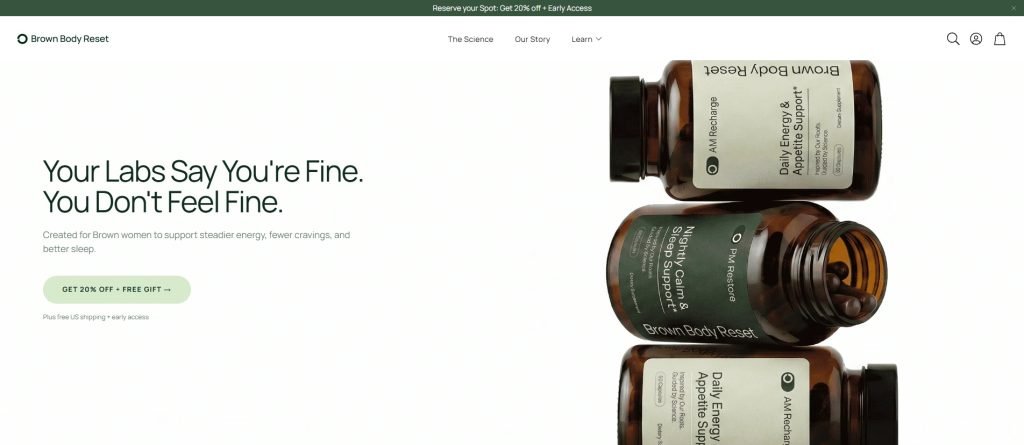
That positioning gives the wellness brand a strong foundation for its brand story. Instead of speaking broadly to everyone interested in health and wellness, the website communicates directly around familiar frustrations, daily routines, food culture, energy, cravings, and sleep. This creates a much more specific connection with its target audience and makes the brand purpose immediately understandable.
- Clearly defined audience
- Research-led positioning
- AM + PM system
- Culture-aware messaging
The result is a strong wellness brand built around relevance rather than generic wellness language. Its identity, product structure, content, and website all reinforce the same idea: the business was created for an audience that has often felt overlooked by one-size-fits-all wellness products.
2. Tuned: Science-Led Sleep Support Without Melatonin
Tuned takes a different approach, positioning itself around simple, consistent sleep support and recovery. Its Night Capsules use seven active ingredients and emphasize transparent dosing, a melatonin-free formula, UK manufacturing, GMP certification, and a straightforward two-capsule nightly routine. The website repeatedly connects better sleep with recovery, mental clarity, and daily performance.
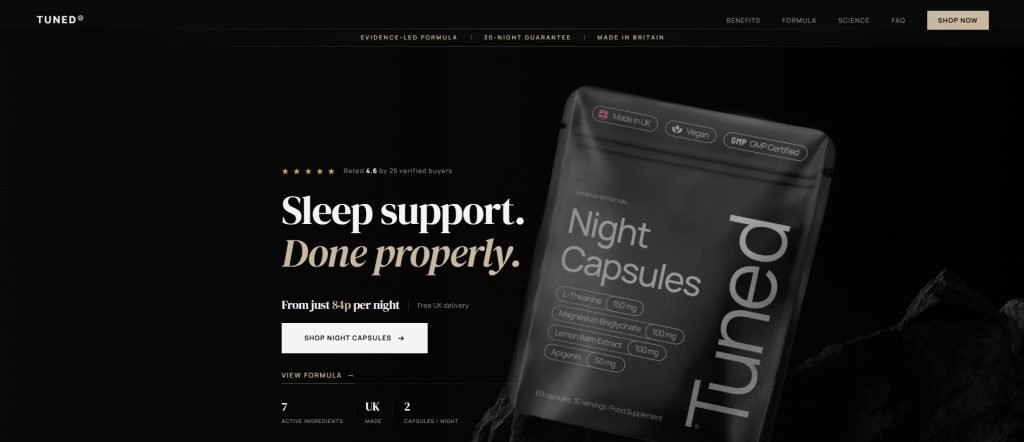
For the brand identity, BeMain Studio developed the packaging and website around a calm, premium, trust-driven direction designed to communicate the sleep benefit quickly. The system was also created to remain consistent across packaging, e-commerce, Amazon, retail, and future SKUs, showing how health and wellness branding can combine visual restraint with clear product communication.
- Melatonin-free positioning
- Transparent ingredient dosing
- Calm premium identity
- One simple routine
Tuned demonstrates how scientific credibility does not require a wellness brand to look overly clinical. Clear hierarchy, a controlled design system, focused messaging, and transparent product information create a professional experience while keeping the benefits and routine easy for potential customers to understand.
3. LIST/OF: Doctor-Formulated Gut Health Without the Guesswork
LIST/OF is a gastroenterologist-founded wellness brand built around simplifying daily gut support. Daily Gut Reset combines prebiotic fiber, probiotics, botanicals, and gut-brain support in a single daily stick pack, with the website focusing on regularity, digestive comfort, bloating, and a routine that is simple enough to maintain.
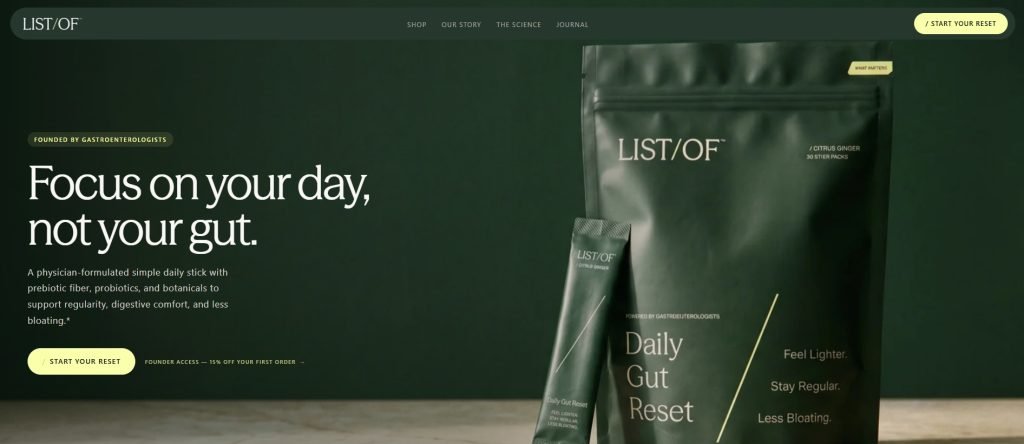
Its unique value proposition is strengthened by the founders themselves: board-certified gastroenterologists Ami Patel, MD and Darin Dufault, MD. Instead of relying only on visual wellness cues, the brand uses ingredient transparency, clinical perspective, educational content, and a deliberately simple formulation philosophy to build trust. The site also explains that there are no proprietary blends and that ingredients and doses are listed clearly.
- Founded by gastroenterologists
- One daily stick
- Clear ingredient purpose
- Evidence-led education
LIST/OF shows how a brand can make a complicated wellness category feel more approachable without removing credibility. Its messaging, packaging format, website, and educational approach all support the same idea of simplifying gut health while giving customers enough information to understand what they are taking and why.
Common Branding Mistakes in the Health and Wellness Space
Many brands in the health and wellness space lose clarity when they try to appeal to everyone at once. Generic messaging, inconsistent design elements, unclear benefits, and copying visual trends can make a wellness brand harder to recognize. A strong brand should instead reflect a specific target audience, clear positioning, and a distinct brand story that separates it from competitors in the wellness industry.
Another common mistake is focusing only on the logo while ignoring the wider experience. Health and wellness businesses need consistency across their website, packaging, content, services, and customer communication. This is especially important across categories such as nutrition, fitness, supplements, mental health, and personal well being, where customers often look for both professional credibility and a brand they can genuinely trust.
Brands can also lose consistency when decisions are made reactively instead of following a clear system. Changing colors, messaging, layouts, or tone too often can weaken recognition and make the business feel less established. Clear guidelines and a defined brand direction make it easier to evolve without losing the elements customers already associate with the brand.
How to Keep a Wellness Brand Consistent as It Grows
As a wellness business expands, consistency becomes harder to maintain across growing product lines, services, team members, websites, packaging, and customer-facing materials. Clear brand guidelines can help protect logo use, color palette, typography, messaging, imagery, and other essential design elements so new work still feels connected to the same brand.

Growth should not mean freezing the identity in place. Wellness brands focused on long-term growth can evolve while keeping the elements customers already recognize and trust. Regular reviews of the website, packaging, content, and customer experience can reveal where updates are needed without losing the core values, personality, and direction that made the brand distinctive in the first place.
As more people begin working with the brand, documented rules also make collaboration easier. Designers, marketers, developers, and external partners can make faster decisions when they have a shared reference for how the brand should look, sound, and behave across new applications.
Final Thoughts on Health and Wellness Branding
Health and wellness branding works best when strategy, design, messaging, and customer experience support the same clear direction. A wellness brand should communicate its purpose, reflect relevant values, and create trust across every touchpoint, from packaging and websites to content and marketing.
As the business grows, consistency becomes just as important as creativity. Businesses evaluating wellness branding services should look for an approach that connects strategy with practical execution rather than treating design as a collection of separate assets. Working with an experienced wellness branding agency can also help create a system that evolves without losing the qualities customers already recognize.
Frequently Asked Questions About Health and Wellness Branding
What Is a Wellness Brand?
A wellness brand is a business that offers products, services, or experiences connected to health, well being, fitness, nutrition, self-care, mental health, or related areas. Strong wellness brands combine a clear purpose, recognizable identity, and consistent customer experience.
What Makes a Strong Health and Wellness Brand?
A strong health and wellness brand has clear positioning, a defined target audience, consistent values, recognizable design, and trustworthy communication. It should feel distinctive while remaining relevant to the people it serves.
Why Is Branding Important for Wellness Companies?
Branding helps wellness companies build trust, improve recognition, communicate their benefits clearly, and create a more consistent experience across websites, packaging, services, and customer touchpoints.