


Packaging design cost in 2026 can range from $500 to $1,000 for a single product with an existing brand identity, while complete branding and packaging projects may cost between $3,000 and $10,000. These are indicative pricing estimates, not fixed industry averages. Actual packaging costs depend on project complexity, the number of products, and whether you hire a freelance designer, specialized studio, or larger design agency.
For startups, small businesses, and established CPG brands, understanding packaging design pricing is essential before launching or redesigning a product. Well-designed packaging communicates value, builds recognition, and helps products compete on store shelves. This guide explains typical price ranges, what professional design services include, and how to plan a realistic packaging budget.
Packaging Design Cost: 2026 Price Breakdown
Packaging design pricing varies according to project scope, existing branding, and required deliverables. Designing packaging for one product generally costs less than developing a complete brand identity and packaging system for multiple SKUs. The following table provides estimated costs for common packaging design projects in 2026.
| Packaging Design Service | Estimated Cost (USD) |
| Single Product (1 SKU), Existing Branding | $500-$1,000 |
| Complete Branding + Packaging Design | $3,000-$10,000 |
| Multi-SKU Packaging Design (3-5 Products) | $1,500-$2,500 |
| Branding + Multi-SKU Packaging Design | $5,000-$10,000 |
| Comprehensive Packaging Redesign | $3,000-$5,000 |
These figures are illustrative planning ranges informed by professional experience, not surveyed market averages or an official bemain studio price list. They show how packaging costs change with the amount of creative work required. Adapting an established design across several flavors is usually more cost-effective than developing a new identity, while a comprehensive redesign may require extensive research and creative development. Printing, materials, and manufacturing are generally budgeted separately.
What Is Included in Packaging Design Pricing?
Packaging design pricing typically covers the creative work required to transform a product concept into recognizable, functional packaging. Depending on the agreement, design services may include market research, creative direction, initial design concepts, typography, color selection, graphic design, and packaging layouts.
A professional design process may also include 3D mockups, revision rounds, and print-ready files. The number of concepts, revisions, and final deliverables should be defined before work begins. More comprehensive projects may include brand strategy, brand identity development, brand guidelines, and project management.
These services require additional research and coordination but can establish a stronger foundation for future product launches. Structural engineering, physical prototypes, regulatory reviews, printing, and manufacturing are not automatically included. When comparing quotes from a packaging design firm, request a detailed breakdown of the services, deliverables, and potential additional fees.
Real Packaging Projects: How Scope Affects Pricing
Real packaging projects help explain why two design quotes can differ significantly. Refreshing an existing product, creating a multi-SKU packaging system, and developing a complete brand identity require different levels of creative work. These examples from bemain studio illustrate how project scope influences packaging design pricing without disclosing individual client budgets.
Primal Sweets: Packaging Redesign Across Multiple Flavors
Primal Sweets is a high-protein marshmallow brand whose original packaging and website did not fully communicate the product’s quality, flavor, and nutritional benefits. The project focused on refreshing its packaging design and improving consistency across multiple product varieties. This redesign also established a flexible packaging system that makes each flavor easy to recognize while maintaining a cohesive and distinctive brand identity across the entire product range.
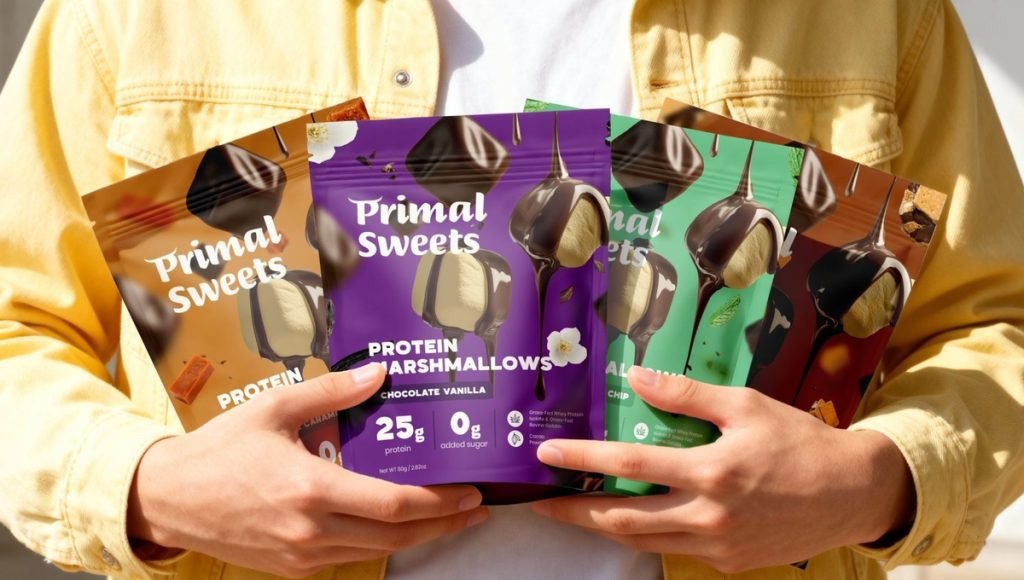
At bemain studio, we developed a vibrant packaging system with clearer typography, appetizing imagery, and stronger flavor differentiation. The project also included Shopify website design, connecting the refreshed packaging with the online shopping experience. Compared with a simple label update, this type of redesign involves additional creative development and coordination across multiple applications.
Five Stems: A Multi-SKU Packaging Design System
Five Stems is a superfood protein smoothie brand offering several flavors. Its packaging needed to communicate nutritional benefits, showcase ingredients, and maintain a consistent visual identity across the product range. The goal was to create a flexible packaging system that clearly differentiates each flavor while keeping the overall brand recognizable and cohesive across multiple SKUs.
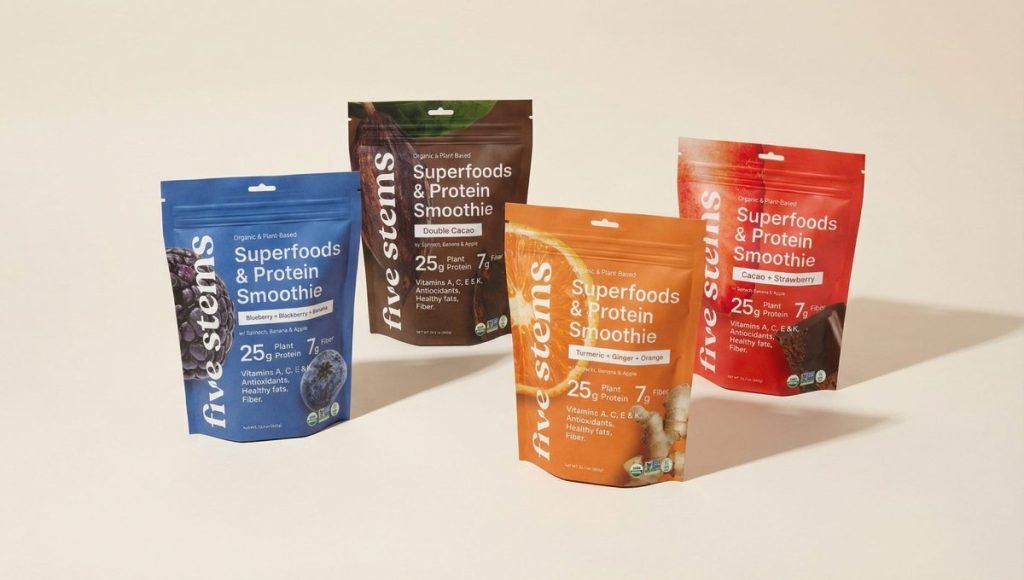
Our approach combined vibrant colors, ingredient-focused imagery, and consistent typography. This type of multi-SKU packaging design demonstrates how one flexible visual system can support multiple products. Developing the initial concept requires creative investment, while additional flavors can often be adapted more efficiently once the core design is established.
Tuned: Brand Identity and Premium Supplement Packaging
Tuned is a sleep supplement brand developed for the wellness market. Its project involved creating a premium brand identity, packaging, and website designed to communicate calmness, quality, and trust across physical and digital touchpoints. The goal was to develop a cohesive visual system that connects the brand’s premium positioning with a distinctive packaging experience, ensuring consistency across every customer touchpoint.
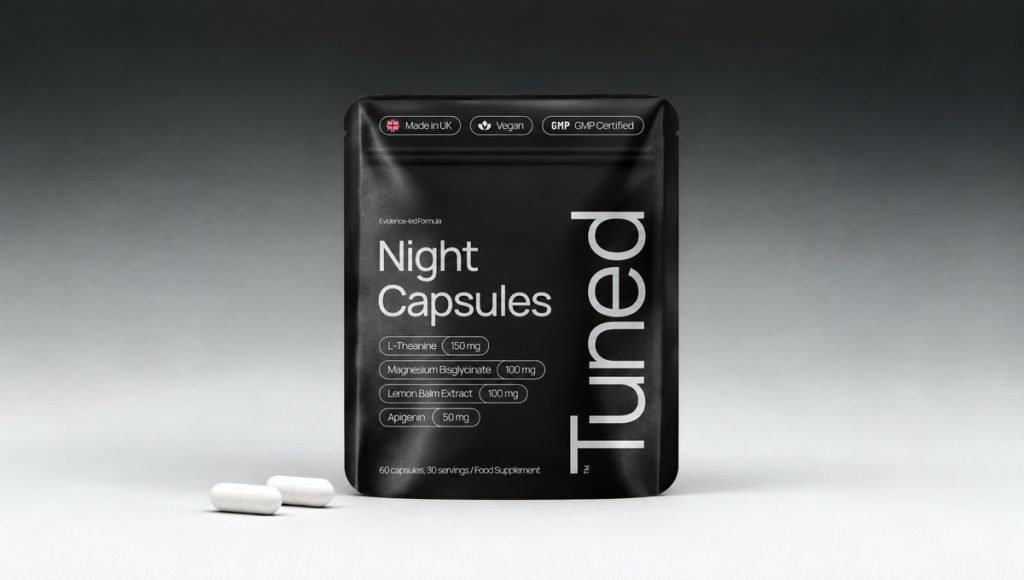
At bemain studio, we developed a refined visual direction using minimalist packaging, restrained colors, and clear typography. The visual system supports a consistent brand story across product packaging and digital applications. Unlike a standalone packaging update, this project connected identity development with packaging and website design, illustrating why broader branding projects generally require a higher investment.
These examples demonstrate differences in project complexity rather than the actual prices charged to clients. Every packaging project requires a detailed proposal based on its creative requirements, deliverables, and production needs.
What Factors Affect Packaging Design Cost?
Several factors influence packaging costs, including existing brand assets, product variations, creative complexity, and production requirements. Understanding these differences helps businesses compare proposals and determine which design services are necessary for their goals. By evaluating these factors early, brands can establish a realistic packaging budget, prioritize essential design requirements, and avoid unexpected expenses throughout the project.
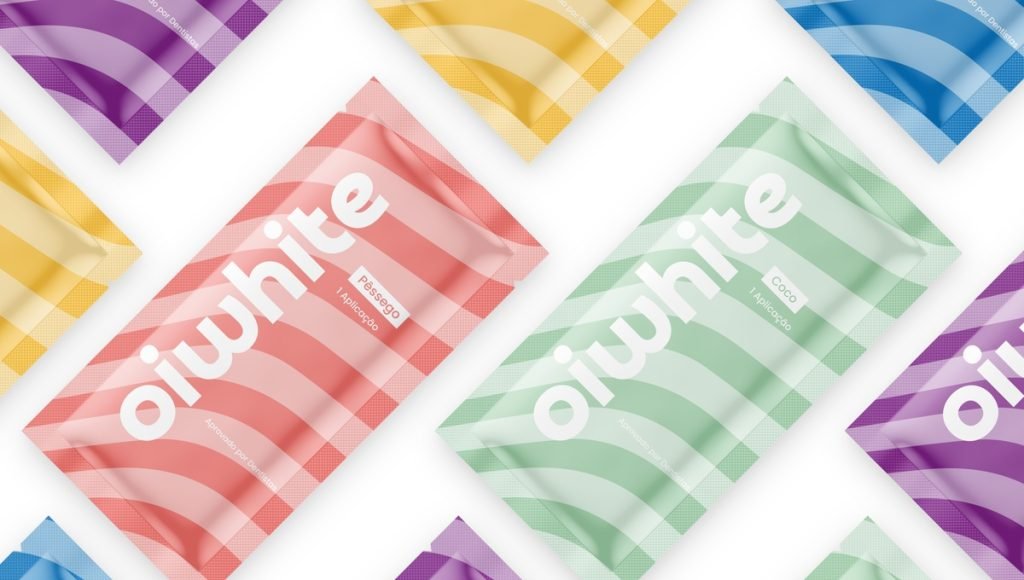
A clear understanding of these cost factors also helps brands avoid unnecessary expenses during the design process. By defining the project scope, identifying priorities, and planning future product variations early, businesses can make more informed decisions about their packaging investment while maintaining quality and consistency across their product range.
Existing Brand Identity vs. New Branding
Businesses with an established brand identity often require less creative development because typography, colors, and visual elements are already defined. Existing brand guidelines provide a foundation for designing packaging without rebuilding the brand from the beginning.
New brands may require market research, positioning, messaging, and visual identity development before packaging concepts can be finalized. These additional strategy phases increase the investment but help align packaging with consumer expectations, the target audience, and business goals. Our guide to CPG branding explains how these elements work together to build a recognizable consumer brand.
Number of SKUs and Packaging Formats
The number of products directly influences packaging costs. A single-SKU project typically requires fewer layouts and less artwork preparation than a product range with different flavors, sizes, or formats. However, additional SKUs do not always require entirely new design concepts.
Once the primary packaging system is established, designers can adapt colors, imagery, and product information across variations. Different bottle sizes, box dimensions, custom shapes, or usage instructions may require more extensive adjustments. Planning these variations early can make future product extensions more cost-effective.
Design Complexity and Production Requirements
Simple packaging built around an existing format generally requires less development than custom packaging with detailed illustrations, complex graphic design, or structural features. Even minimalist packaging requires careful attention to visual hierarchy, while custom illustrations and premium design treatments can increase creative time.
Production requirements also affect overall complexity. Custom structures, specialized printing methods, detailed labeling, and regulatory compliance can require additional preparation. Packaging intended for major retailers may need specific dimensions or technical approvals. Designers should coordinate with packaging suppliers to confirm that the artwork and physical requirements are compatible before finalizing print-ready files.
Project Timeline and Revisions
Short deadlines can increase design fees, particularly when artwork must be completed for scheduled product launches. Rush projects may require additional resources or adjustments to the design team’s schedule. The provider’s geographic location, experience, and availability of senior designers can also influence the final quote.
Revision rounds are another important pricing factor. Clear feedback, early decisions, and a structured design process can reduce packaging design costs by avoiding unnecessary changes. Before starting, businesses should confirm the number of included revisions, project milestones, and charges for work outside the agreed scope.
Freelance Designers vs. Studios vs. Design Agencies: Pricing Compared
The type of design provider can significantly affect packaging design pricing. Freelance designers, specialized studios, and larger design agencies offer different levels of team expertise, capacity, and project management. Freelancers may be suitable for straightforward graphic design tasks, while studios and design agencies can provide broader creative support. The right choice depends on project complexity, available budget, and the services required.
| Design Provider | Best Suited For | Typical Advantages | Potential Limitations |
| Freelance Designers | Single products, simple updates, smaller budgets | Direct communication, flexible arrangements, potentially lower overhead | Capacity and specialist support depend on the individual |
| Specialized Design Studios | CPG branding, multi-SKU systems, custom packaging | Focused expertise, coordinated creative direction, consistent visual systems | Greater investment than basic freelance work |
| Large Design Agencies | Extensive product ranges, major rebrands, complex projects | Broader teams, comprehensive services, dedicated project management | Potentially higher overhead and more approval stages |
Hourly Rates vs. Fixed Project Fees
Common pricing models include hourly rates, fixed project fees, and value-based pricing. Hourly billing can suit smaller updates or projects with changing requirements, while fixed project fees provide clearer budget expectations when deliverables, timelines, and revision limits are agreed upon in advance. Value-based pricing considers the commercial value of the work rather than time alone.
Packaging design rates vary depending on the provider’s experience, geographic location, and project complexity. Different design agencies use different pricing models, including hourly rates and fixed project fees. Small businesses and established brands should compare each provider’s pricing structure, team expertise, and included deliverables rather than choosing solely based on price. A clear proposal helps businesses understand the total investment and avoid unexpected costs.
Packaging Design vs. Printing, Production and Hidden Costs
Packaging design fees cover creative and technical development, while printing costs and production costs cover the physical manufacturing of packaging. These expenses should be calculated separately. As explained in our food packaging design guide, product characteristics influence the choice of materials and structure.
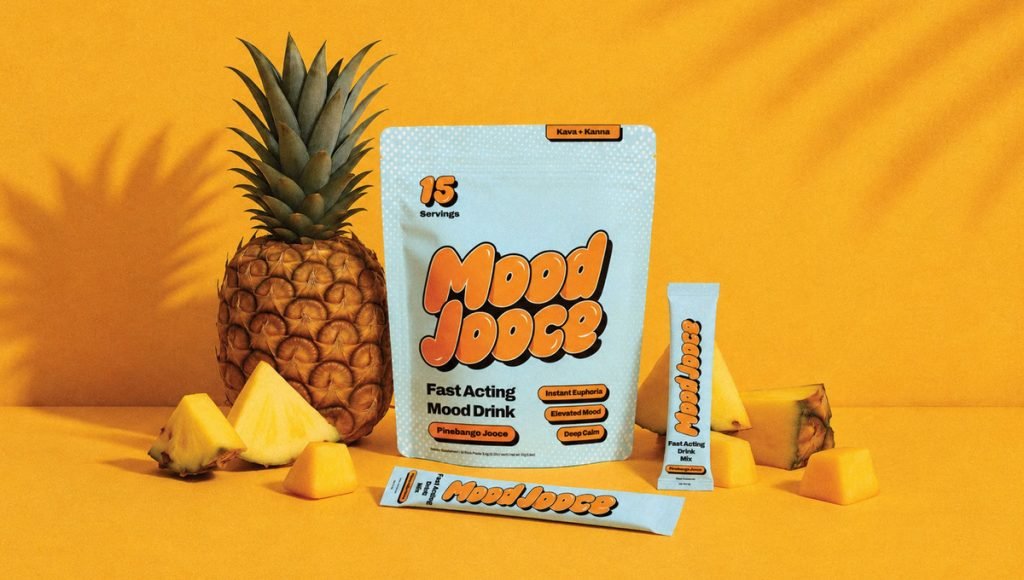
A simple cardboard box or stock packaging with a custom label may be less expensive to manufacture than rigid boxes, custom shapes, or packages with specialized finishes. Manufacturing and material costs depend on printing methods, order quantities, substrates, and setup requirements. Digital printing can be cost-effective for smaller runs, while offset or flexographic printing may reduce costs per unit at higher volumes.
Small batches can have higher setup expenses per unit, and custom tooling, physical prototypes, and premium finishes may add further costs. Sustainable packaging and eco-friendly packaging options, including recycled paper where suitable, may affect sourcing and manufacturing expenses. Understanding these additional expenses helps businesses distinguish packaging design cost from the total cost of production. Request separate estimates for design, materials, printing, and shipping costs to understand the full investment.
How to Plan Your Packaging Design Budget
A realistic packaging budget starts with defining your business goals, target audience, and project requirements. Understanding packaging design cost early helps businesses set realistic expectations before requesting quotes. Determine whether you need a single product design, multiple SKUs, a redesign, or a complete brand identity. Prepare existing brand guidelines, product dimensions, required information, and a target launch date.
If your marketing team is involved, gather its input early to avoid conflicting requests during the design process. To reduce packaging design costs without sacrificing quality, prioritize the work that creates the most value for your product. Using established packaging formats, limiting unnecessary variations, and planning future SKUs can make development more cost-effective.
Consider your retail price, production volume, and expected manufacturing expenses alongside the creative budget. If you are updating an existing product, our guide to packaging redesign explains when a refresh makes sense. Comparing detailed proposals helps small businesses identify hidden costs and understand how packaging design cost fits into their overall investment before committing to a provider.
Get a Packaging Design Quote for Your CPG Brand
Packaging design is an investment in how customers recognize, understand, and evaluate your products. A well-designed packaging system can strengthen perceived value, support brand equity, and help build brand loyalty through consistent presentation. Whether you’re launching a new product or expanding an established range, the right approach should reflect your business goals, target audience, and available budget.
At bemain studio, we specialize in branding and packaging design for food, beverage, supplement, and better-for-you consumer brands. Our packaging design services help businesses develop distinctive visual identities and consistent packaging systems for retail shelves and online presentation. Share your project requirements with our team to discuss the creative scope, deliverables, and next steps.
Frequently Asked Questions About Packaging Design Cost
How Much Does Packaging Design Cost for One Product?
For a single product with an existing brand identity, an indicative design budget is $500 to $1,000. A project involving new branding, strategy, and more extensive creative development may cost a few thousand dollars or more. Final pricing depends on the provider, agreed deliverables, and design complexity.
Does Each Additional SKU Cost the Same?
Not necessarily. Additional SKUs may cost less when they follow an established packaging system. Changing flavor colors or product information generally requires less work than creating an entirely new concept. Different formats, custom illustrations, or substantial layout changes can increase the price.
Does Packaging Design Include Printing?
Usually, printing and manufacturing are quoted separately from creative design work. Some providers offer print production management or supplier coordination, but these services should be confirmed in the proposal. Materials, setup fees, and order quantities affect the final manufacturing price.
How Long Does Packaging Design Take?
Timelines vary according to the number of products, design complexity, revision rounds, and approval requirements. A straightforward packaging update may take less time than a full branding and multi-SKU project. Confirm the schedule, milestones, and production artwork requirements before starting.
