

Wellness packaging plays a key role in how consumers judge a product, understand its benefits, and connect with a brand. In the competitive health and wellness industry, strong packaging design should combine visual appeal, clarity, functionality, and a consistent brand identity.
For wellness brands, effective product packaging can build consumer trust, communicate product quality, and help products stand out on the shelf or online. This guide covers practical design tips, sustainable packaging, and strategies for creating packaging that supports long-term brand growth.
What Is Wellness Packaging and Why Does It Matter?
Wellness packaging refers to the way products in the wellness industry are presented, protected, and communicated to consumers. It should make key information easy to understand while supporting the overall brand image and protecting the quality of the product inside.
Good packaging solutions also help wellness products stand out in a competitive market. Beyond appearance, packaging can improve convenience, support product safety, and communicate important health information clearly, helping brands build stronger relationships with their customers.
Wellness Packaging Solutions for Different Product Types
Different wellness products have different requirements, so the right packaging should match the product format, target audience, and intended use. Factors such as storage, portability, product protection, and shelf presentation can all influence the final packaging choice.
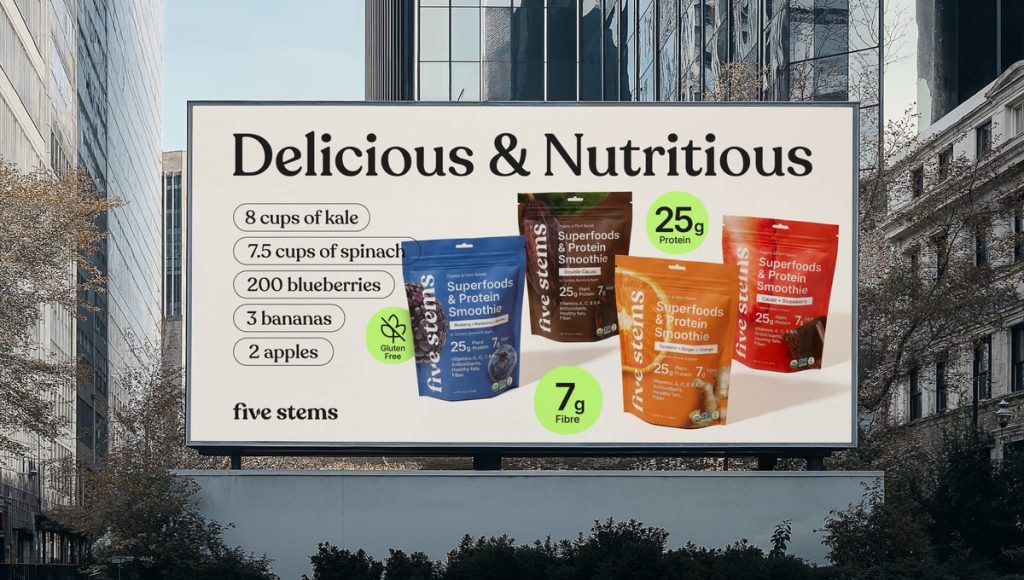
Packaging should also make it easy for consumers to understand what the product is, how it is used, and what makes it different from competing options. A strong packaging system balances function with visual consistency so the brand remains recognizable across different product types and formats.
Supplements and Vitamins
For supplements, packaging needs to protect the contents while making dosage, ingredients, and key benefits easy to understand. Bottles, jars, sachets, and pouches are common formats, especially for capsules, gummies, and protein powders.
Functional Foods and Nutrition Products
Functional foods often highlight specific nutritional benefits, natural ingredients, or added nutrients. Their packaging should communicate these features clearly while helping maintain freshness and shelf life.
Personal Care and Beauty Products
Wellness-focused beauty and personal care products need packaging that combines visual appeal with practical use. The right materials and shape can also improve handling, storage, and the overall customer experience.
Essential Oils and Natural Wellness Products
For essential oils and natural remedies, packaging should help protect sensitive ingredients from light, air, and contamination. Clear labeling also helps consumers understand intended use and supports a sense of transparency.
Fitness and Sports Nutrition Products
Sports nutrition packaging should be durable, practical, and easy to use at home or on the go. Products designed to support energy, recovery, and overall well-being often benefit from packaging that emphasizes portability and convenience.
7 Wellness Packaging Design Tips for a Stronger Brand
Effective packaging design should make a product easier to recognize, understand, and trust while reflecting what the brand stands for. It should create a clear visual connection between the product and the brand, making the packaging feel intentional rather than purely decorative. This is especially important in calming supplement packaging, where visual choices can make the product feel more approachable while maintaining clarity and credibility.
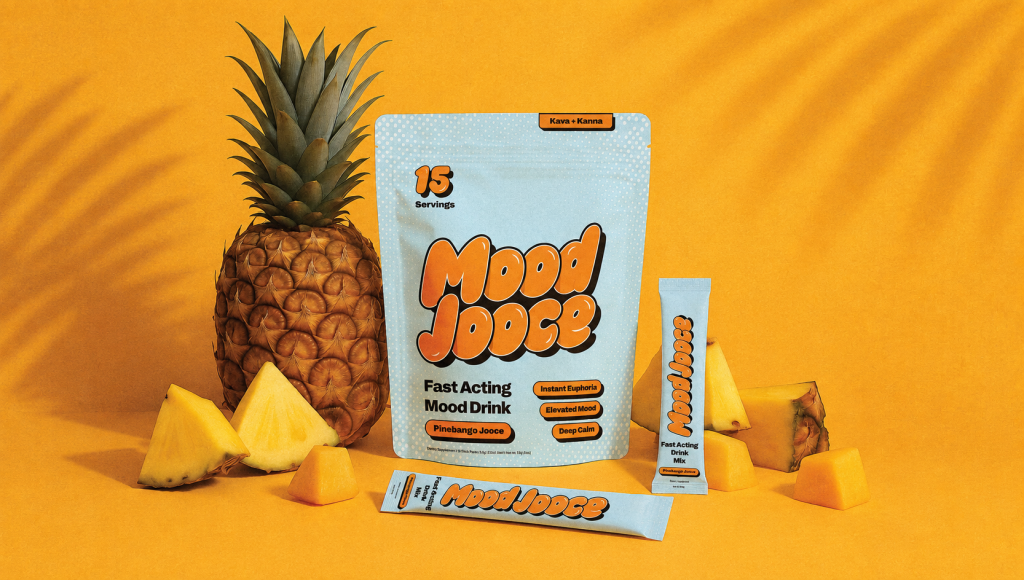
Strong packaging also helps consumers process information quickly and remember the product after they see it. When color, typography, imagery, and layout work together consistently, the packaging can strengthen brand recognition and make the overall product experience feel more cohesive.
1. Understand Your Target Audience
Start with the needs, habits, and preferences of your target consumers. Understanding what they value helps shape packaging that feels relevant and supports long-term success.
2. Keep Labels Clear and Easy to Navigate
Clear labels help shoppers navigate efficiently and find detailed information about ingredients, usage, and key product details. An informative layout also reduces confusion at the point of purchase.
3. Choose Colors That Support Your Brand Positioning
Color can influence perception and help wellness brands differentiate their products. Choose a palette that reflects your positioning while maintaining strong shelf appeal and readability.
4. Use Visuals to Communicate Your Brand Story
Photography, illustrations, and graphic elements can bring more creativity to the package while communicating the brand’s personality, purpose, and values.
5. Select Typography for Clarity and Brand Recognition
Typography should be distinctive but easy to read. A consistent type system can enhance recognition and help create an attractive visual hierarchy across the product range.
6. Communicate Product Benefits and Claims Clearly
Health-related claims and product benefits should be presented clearly without overwhelming the customer. Keep the focus on information that helps people understand what the product offers.
7. Balance Brand Identity With Consumer Trust
Strong design should express the brand while remaining clear and credible. Consistency, honest communication, and transparency build trust and can strengthen the relationship between the product and its audience.
Key Elements of Successful Wellness Packaging
Successful wellness packaging combines strong branding, functionality, and clear communication while protecting the product and supporting the needs of modern consumers. It should make key information easy to find, create a clear visual identity, and help the product feel credible and well considered. This is especially important in protein gummy packaging, where clear hierarchy and benefit communication help consumers understand the product quickly.
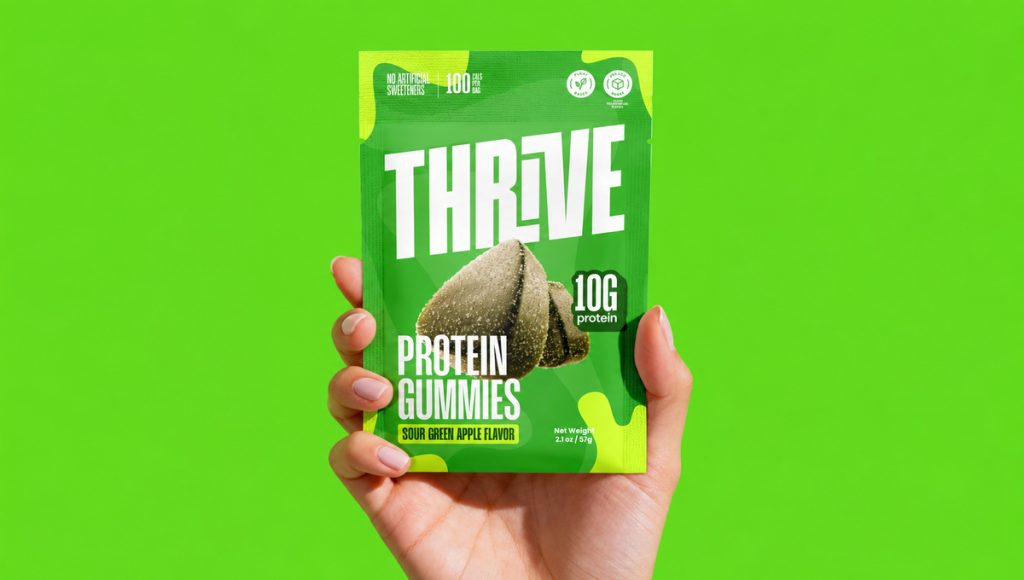
The strongest packaging systems also stay consistent across different SKUs, formats, and sales channels. When design, materials, hierarchy, and labeling work together, the result is packaging that supports both usability and long-term brand recognition.
Strong Visual Identity
A recognizable visual system helps a brand stay consistent across different products and channels. Colors, typography, imagery, and layout should work together to reflect the brand’s values and strengthen shelf appeal. Minimalist layouts and soft-touch textures can also contribute to emotional resonance, especially when they support the overall brand positioning.
Clear Product Hierarchy
The most important information should be easy to spot at a glance. Product name, purpose, key ingredients, and essential health information should follow a clear hierarchy that helps consumers understand the offer quickly.
Consistency Across Product Lines and SKUs
As a product range grows, consistent design makes it easier for customers to recognize related products. A flexible system can support different flavors, sizes, and formats without losing the core brand identity.
Sustainable Packaging and Flexible Packaging Formats
The choice of materials affects durability, convenience, cost, and sustainability. Depending on the product, brands may consider bottles, jars, cartons, aluminum containers, or flexible packaging. Sustainable packaging practices include using refillable and reusable systems.
Aluminum has one of the highest recycling rates globally, while mono-material design can improve recycling efficiency by using a single polymer type that is easier to sort and process. Biodegradable packaging materials are also emerging as eco-friendly alternatives.
Flexible packaging can require less energy to produce than traditional rigid packaging and may reduce shipping costs because of its lightweight nature. It can also help extend product shelf life, which may reduce product waste. Choosing eco friendly materials can further support efforts to lower the overall carbon footprint, while educating consumers on recycling is vital for closing the packaging lifecycle.
Label Information and Compliance Considerations
Labels should provide accurate product details while leaving enough space for required information. Clear ingredient lists, usage instructions, warnings, and other relevant details help support safety, transparency, and quality across the wellness industry. For U.S. supplement products, brands should also follow relevant FDA labeling requirements.
How to Align Wellness Product Packaging With Your Brand Strategy
Wellness packaging should feel like a natural extension of the overall brand strategy. Every choice, from structure and materials to color, tone, and claims, should reflect the target audience, positioning, and product category while helping consumers discover what makes the product different. As competition moves at a rapid pace, brands should avoid following every visual trend.
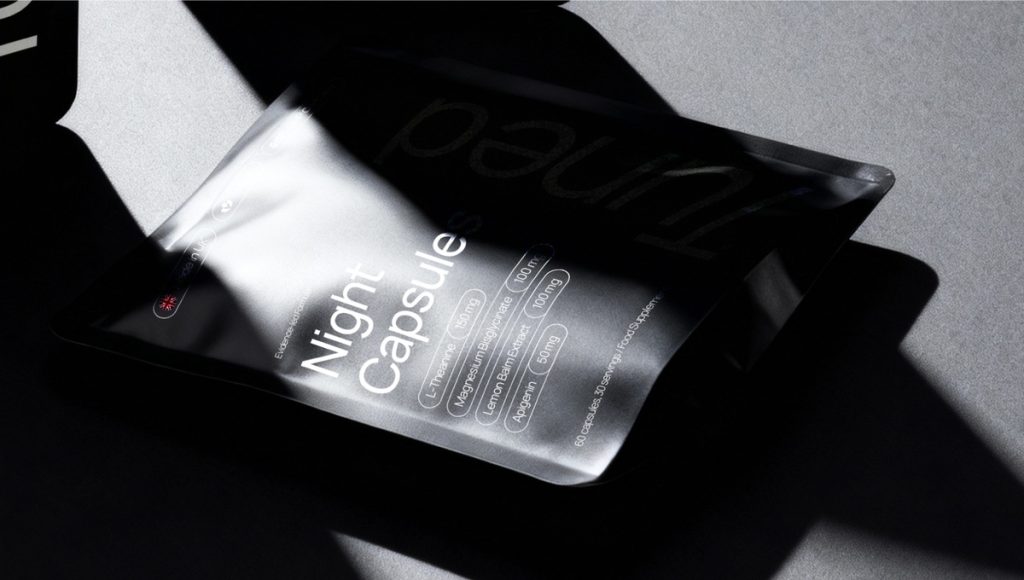
The strongest innovative packaging solutions support long-term positioning, show a clear commitment to brand values, and leave room to evolve as consumer demand changes. This is where design expertise becomes important, helping create a system that feels recognizable today and adaptable for future growth.
Creating a Consistent Packaging System as Your Wellness Brand Grows
As a wellness brand expands, packaging needs to remain recognizable across new products, sizes, and formats. A flexible design system should define how logos, colors, typography, claims, and other visual elements function across the range while still allowing individual products to serve certain functions and audiences.
With growing demand, brands may also need to rethink materials and production choices. Sustainable packaging solutions and eco friendly packaging solutions can support scalability while reducing waste and maintaining a consistent customer experience. The goal is to build a system capable of delivering the same brand experience as the product portfolio grows.
Final Thoughts on Wellness Packaging
Effective wellness packaging should protect the product, communicate clearly, and reinforce the brand across every customer touchpoint, from the retail shelf to an e-commerce site. Strong design also gives brands room to grow without losing consistency as new products and formats are introduced.
Sustainability is no longer just a trend; it has become an important consideration for many consumers and wellness businesses. The strongest packaging balances visual appeal, functionality, quality, and responsible choices while staying true to the brand’s long-term strategy.
Frequently Asked Questions About Wellness Packaging
What makes good wellness packaging?
Good wellness packaging combines clear communication, strong visual identity, functionality, and quality materials. It should protect the product, make important information easy to understand, and create a consistent experience that reflects the brand’s values.
Why is packaging important for wellness brands?
Packaging often creates the first impression of a product. For wellness brands, effective packaging can strengthen recognition, improve shelf appeal, communicate health-related benefits, and help build trust with consumers in an increasingly competitive market.
How Wellness Packaging Builds Trust With Consumers?
Wellness packaging can build consumer trust through transparent labeling, clear ingredient information, consistent branding, and credible product claims. When consumers can quickly understand what a product contains, how it should be used, and what the brand represents, they are more likely to feel confident in their purchase.